China Refrigeration Manufacturer: 5 Proven Solutions to Improve System Stability and Reduce Operating Costs
In real refrigeration projects, performance issues rarely come from a single component—they emerge from system-level imbalance.
Operators often report:
- Temperature fluctuation across storage zones
- Rising energy consumption over time
- Slow recovery after door opening or loading
- Inconsistent performance between units
These issues are common when systems are designed based on specifications rather than real operating conditions.
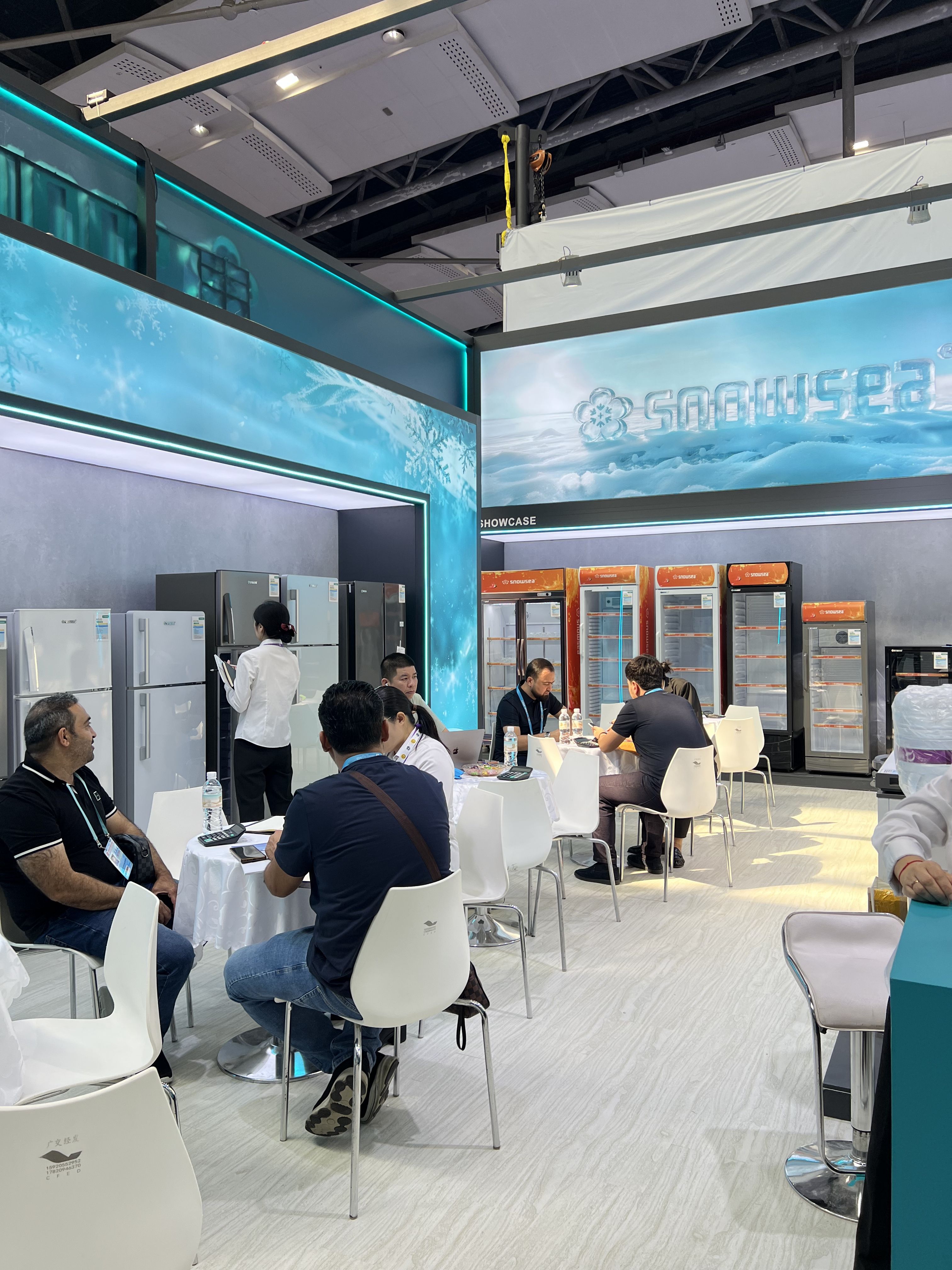
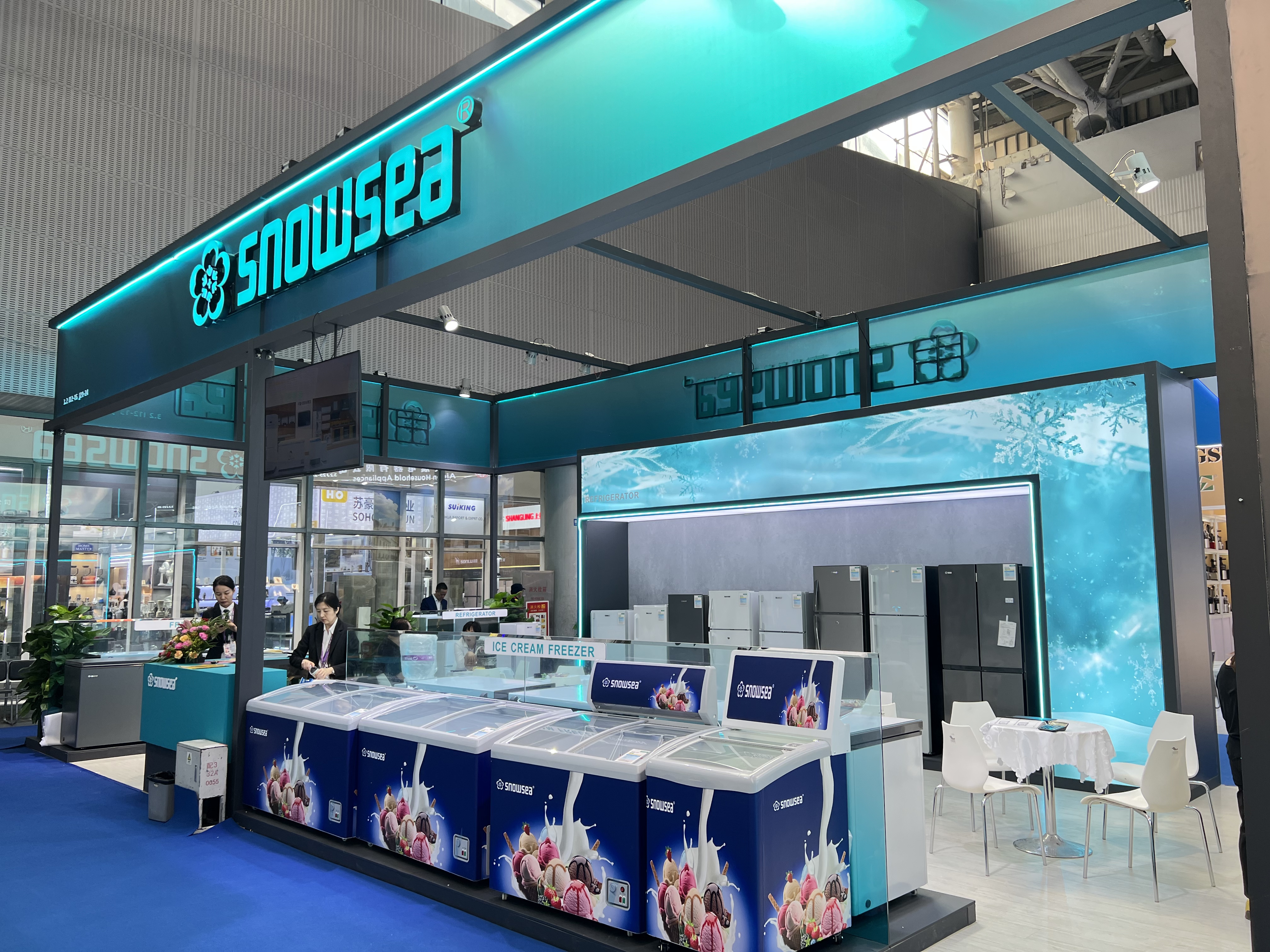
At Snowsea, we work as a china refrigeration manufacturer supporting distributors, contractors, and industrial clients. By focusing on system integration, load-based engineering, and production consistency, we address these problems through structured solutions rather than isolated fixes.
Why Refrigeration Systems Fail Under Real Conditions
Before exploring solutions, it is important to understand that refrigeration systems operate under dynamic conditions.
According to ASHRAE, system performance depends on balancing cooling capacity, thermal load, airflow distribution, and insulation efficiency.
When any of these elements are mismatched, instability appears.
Solution 1: Load-Based System Design Instead of Nominal Specification
Many systems are designed based on average load assumptions. However, real environments involve peak loads.
Problem
- Systems cannot handle sudden thermal spikes
- Cooling capacity becomes insufficient during peak usage
Engineering Solution
- Design based on maximum load conditions
- Include safety margin (typically 15–25%)
- Match compressor capacity to real usage scenarios
At Snowsea, as a china refrigeration manufacturer, we implement load-based system modeling, ensuring systems remain stable even under peak conditions.
Solution 2: Airflow Optimization for Uniform Temperature Distribution
Uneven airflow is one of the most common causes of temperature inconsistency.
Problem
- Hot spots in storage areas
- Uneven product quality
Engineering Solution
- Design airflow velocity within 1.5–3 m/s for forced systems
- Optimize air return and circulation paths
- Prevent airflow blockage from shelving or product placement
This approach ensures consistent temperature across all zones.
Solution 3: High-Efficiency Insulation to Reduce Thermal Loss
Thermal leakage is often underestimated in refrigeration systems.
Problem
- Continuous heat gain increases compressor load
- Energy consumption rises over time
Engineering Solution
- Use high-density PU insulation (60–100mm depending on application)
- Eliminate thermal bridges in cabinet structure
- Improve door sealing systems
We define this as thermal barrier optimization, a critical factor in long-term efficiency.
Solution 4: System Synchronization Across Multiple Units
In multi-unit environments, lack of coordination creates inefficiency.
Problem
- Units operate independently rather than as a system
- Cooling cycles become unbalanced
Engineering Solution
- Synchronize compressor cycles across units
- Balance load distribution
- Ensure system-level control rather than isolated operation
A professional china refrigeration manufacturer must design systems as integrated networks rather than standalone products.
Solution 5: Production Consistency and Performance Validation
Even the best design fails if production is inconsistent.
Problem
- Performance variation between batches
- System instability after expansion
Engineering Solution
- Standardize materials and components
- Implement batch-level performance testing
- Validate systems under real operating conditions
At Snowsea, we ensure that every unit matches design intent through controlled production processes.
How These Solutions Apply Across Different Industries
These five solutions must be adapted based on application.
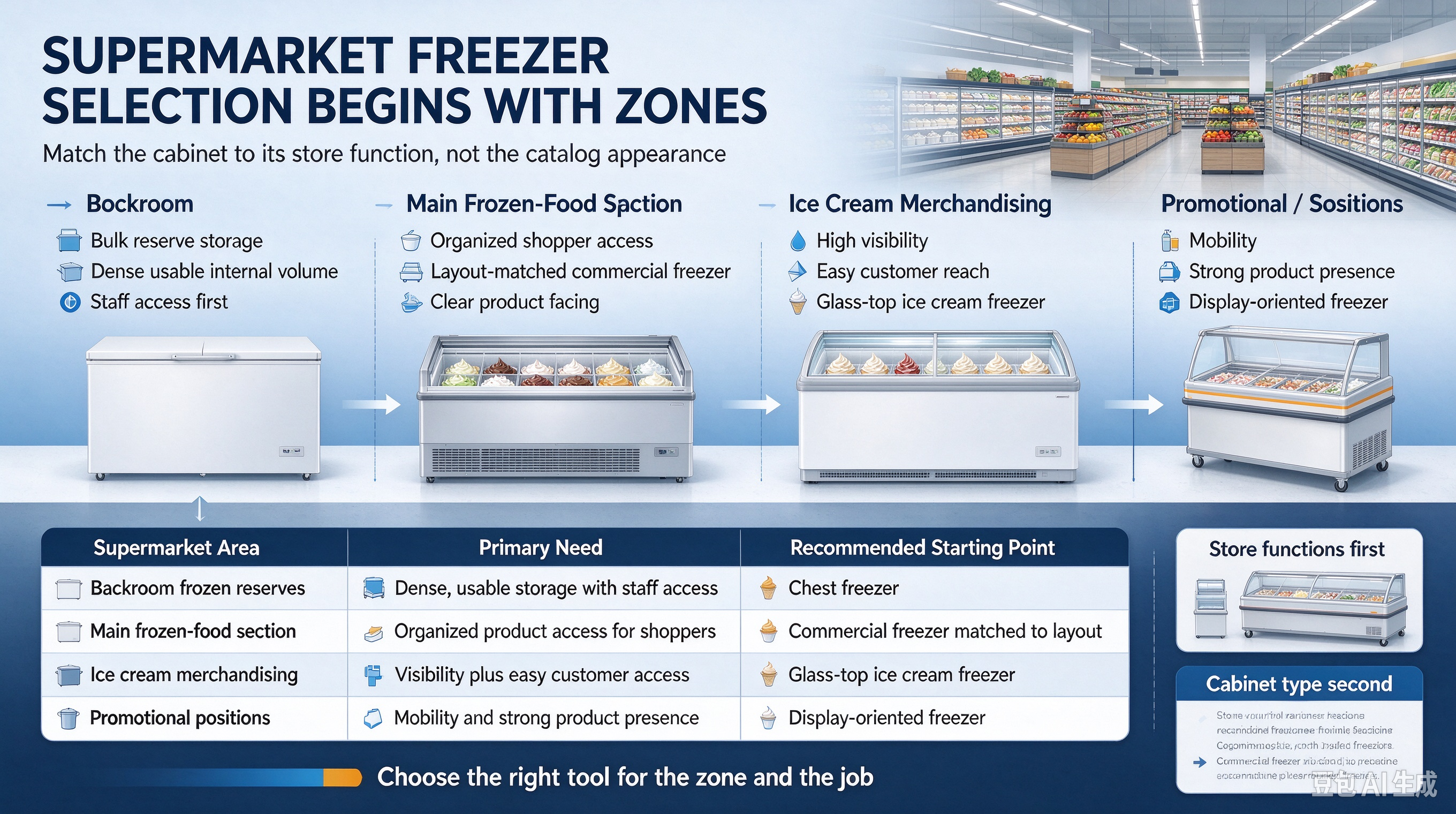
Supermarkets and Retail
Require uniform cooling across multiple zones and high-frequency access.
Key focus:
- Airflow optimization
- Fast recovery systems
Food Processing
Requires stable performance under continuous load.
Key focus:
- Load-based system design
- High-capacity cooling
Cold Storage Warehouses
Require long-term temperature stability.
Key focus:
- Insulation efficiency
- System synchronization
Cold Chain Logistics
Require stability under frequent interruptions.
Key focus:
- Rapid recovery
- System balance
At Snowsea, we implement multi-scenario adaptive engineering, allowing systems to perform reliably across different industries.
Case Example: Applying Integrated Solutions in a Retail Project
A multi-location retail client experienced system instability.
Initial Situation
- Temperature variation up to ±3°C
- Rising energy costs
- Inconsistent system performance
Solutions Applied
- Load-based system redesign
- Airflow optimization
- Insulation enhancement
- System synchronization
Results
- Temperature variation reduced to ±1°C
- Energy consumption reduced by ~25%
- Stable performance across all locations
This demonstrates how integrated solutions deliver measurable results.
What Buyers Should Evaluate When Choosing a China Refrigeration Manufacturer
When selecting a china refrigeration manufacturer, evaluation should focus on three dimensions.
Engineering Capability
- Can the manufacturer design systems based on real conditions?
- Are solutions tailored to specific applications?
Snowsea solution: We provide system-level engineering and load-based design.
Production Consistency
- Are materials and processes standardized?
- Is performance consistent across batches?
Snowsea advantage: Controlled production and batch validation.
Application Adaptation
- Can systems be adjusted for different industries?
- Is customization available?
Snowsea capability: Flexible configurations for different use cases.
Frequently Asked Questions
Q: Why do refrigeration systems become unstable over time?
A: Because they are not designed for real operating conditions and dynamic loads.
Q: Can these problems be fixed after installation?
A: Partial improvements are possible, but long-term stability requires proper system design.
Q: What is the most important factor in refrigeration performance?
A: System balance between load, airflow, insulation, and production consistency.
Building Reliable Refrigeration Systems with the Right Partner
Choosing the right china refrigeration manufacturer is essential for achieving stable, efficient, and scalable refrigeration systems.
At Snowsea, we combine:
- Load-based system engineering
- Integrated design across components
- Consistent and controlled production
Explore Our Product Range
To see how our refrigeration systems support different applications, visit:
https://www.snowseax.com/products
Contact Us for System Solutions
If you are planning a refrigeration project or solving performance issues, contact our team:
https://www.snowseax.com/contact