Custom Freezer Manufacturer: How to Build Market-Fit Refrigeration Products That Increase Sales and Reduce Costs
When expanding into different markets, many businesses discover that standard freezer models fail to perform as expected.
A freezer designed for one region may struggle in another due to climate differences, power standards, or customer usage habits. Retailers may face slow cooling during peak hours, while distributors find that generic products offer little differentiation. Over time, these issues lead to higher operational costs and weaker competitiveness.
These are not product defects—they are design mismatches.
Working with a custom freezer manufacturer allows businesses to move beyond generic solutions and build refrigeration systems that match real-world usage scenarios.
Why Standard Freezers Fail in Different Markets
Standardized products are designed for broad use cases, but real environments are highly specific.
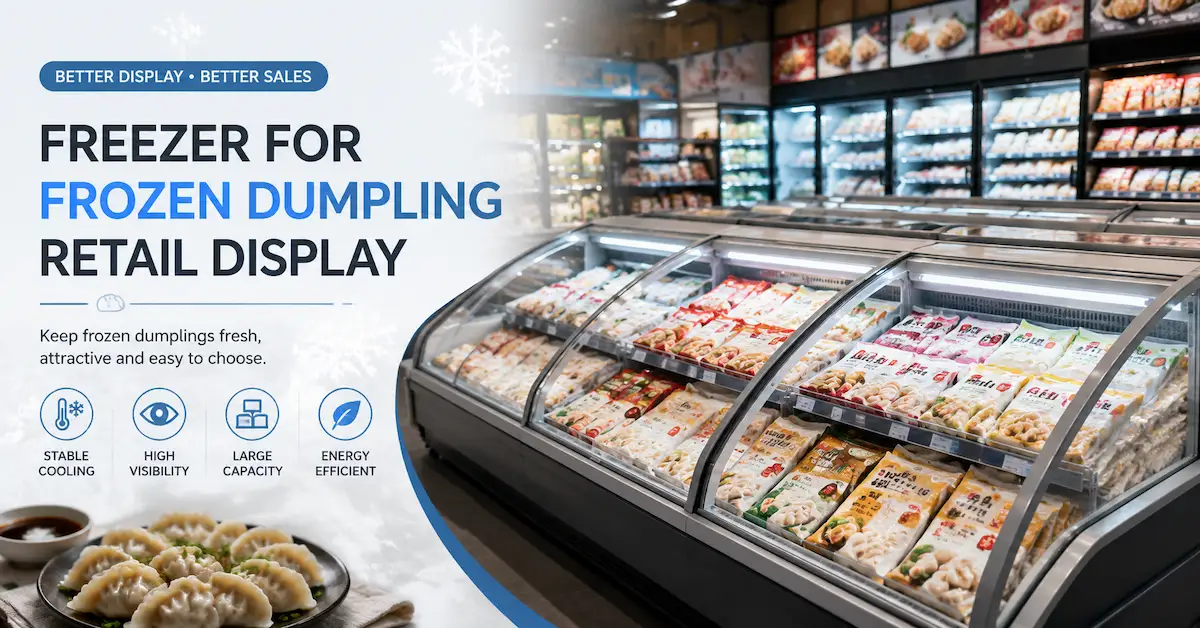
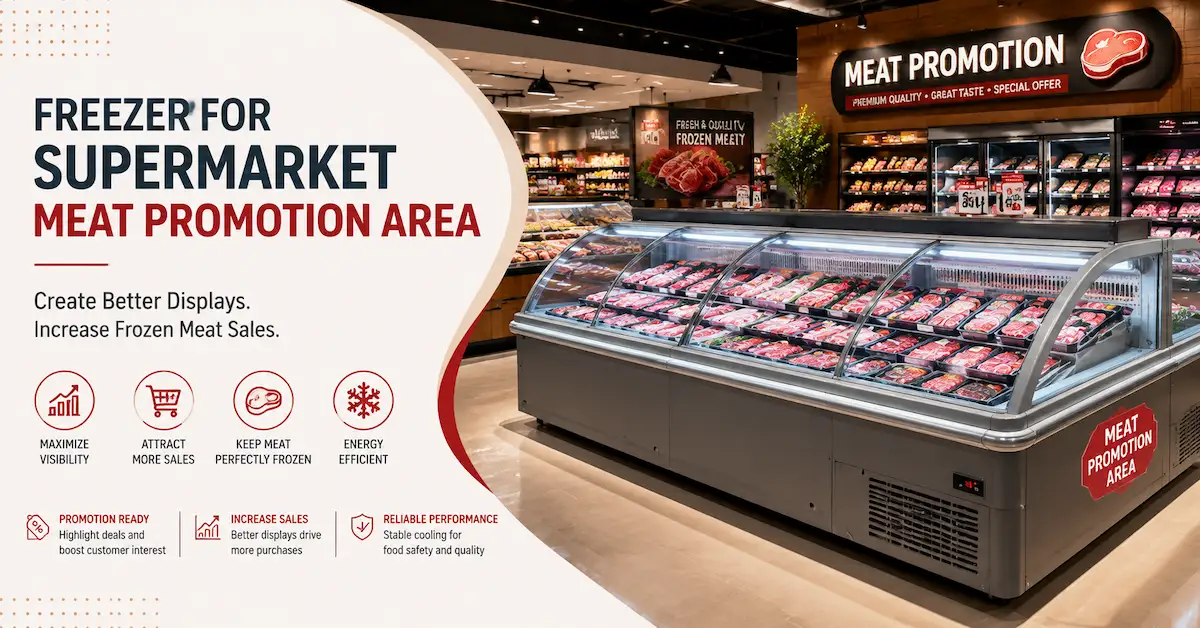
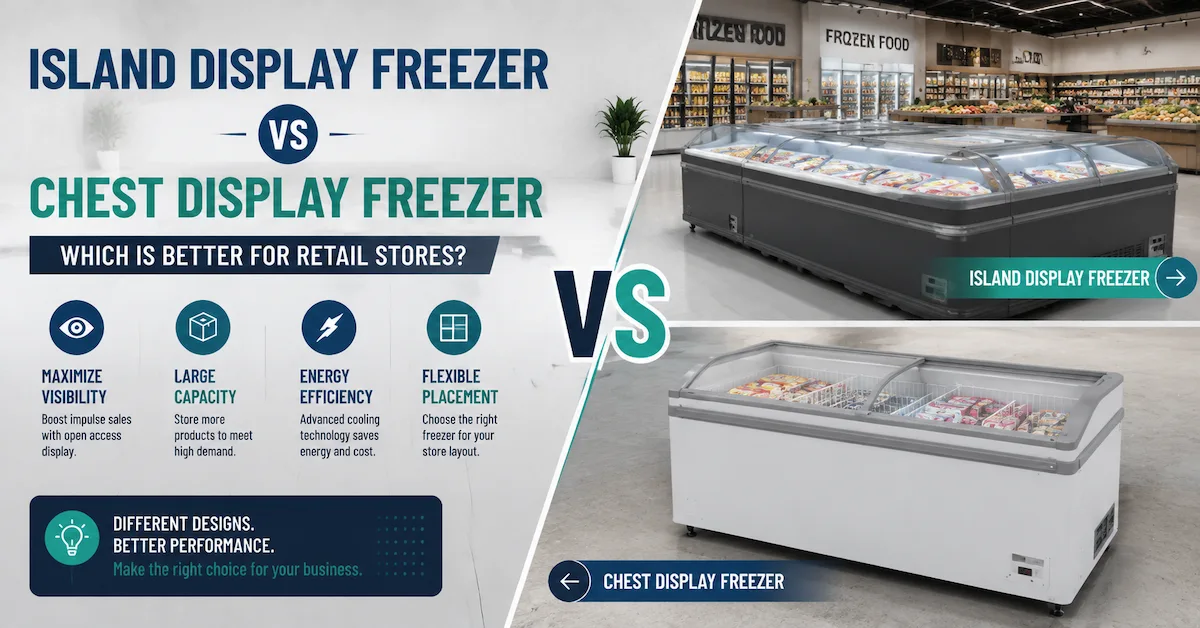
A convenience store freezer may be opened hundreds of times per day, requiring rapid temperature recovery. In contrast, a supermarket freezer must maintain consistent cooling across large volumes of products over long periods. Meanwhile, export markets require different voltage systems, certifications, and energy efficiency standards.
When these factors are ignored, performance drops and energy consumption rises.
According to the International Energy Agency, optimized refrigeration systems can reduce energy consumption by up to 30%, making proper design a key factor in long-term profitability.
How Custom Freezer Design Improves Performance and Reduces Costs
Customization aligns product design with actual usage conditions.
Instead of adapting business operations to fit equipment, customized freezers are built around how products are stored, displayed, and sold. This includes optimizing airflow systems, adjusting insulation thickness, and selecting the right compressor configuration.
In high-traffic retail environments, faster cooling recovery improves product quality and customer experience. In large-scale storage applications, energy efficiency becomes the primary driver of cost savings.
Businesses that require deeper product development can also consider working with a custom ODM refrigeration partner to develop fully tailored solutions from concept to production.
Customization Process: From Concept to Mass Production
A structured customization process ensures both flexibility and consistency.
The process begins with requirement analysis, where usage environment, product type, and market standards are defined. This is followed by engineering design and prototype development, allowing performance to be validated before production.
Once approved, the project moves into mass production under controlled quality systems.
This approach ensures that customization is not limited to samples but is consistently replicated across large orders.
Key Engineering Factors Behind a Reliable Custom Freezer
Cooling System Design
Uniform airflow is essential to maintain consistent temperatures across all compartments. Poor airflow leads to uneven cooling and product quality issues.
Structural Design
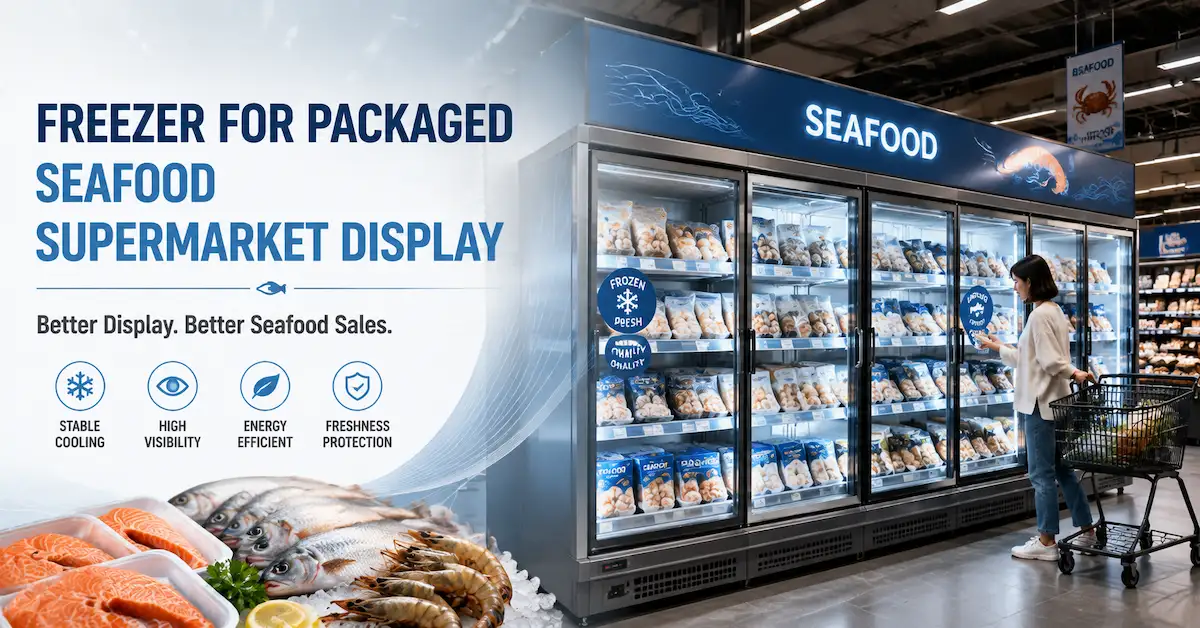
Customizing insulation thickness, shelving layout, and door type improves durability and usability. Glass door freezers enhance visibility, while solid door designs improve insulation efficiency.
Electrical Compatibility
Products must be adapted to different voltage and frequency standards. This is especially critical for export markets where compliance requirements vary significantly.
Reliable customization depends on manufacturing capability, which is why working with a
👉 reliable refrigeration showcase factory
is essential for ensuring consistency at scale.
Standard Freezer vs Custom Freezer: Performance Comparison
| Metric | Standard Freezer | Custom Freezer |
|---|---|---|
| Market Adaptation | Low | High |
| Product Differentiation | Limited | Strong |
| Energy Efficiency | Standard | +10%–30% |
| Profit Margin | Medium | +15%–30% |
| Customer Retention | Medium | High |
Customized products reduce direct price competition and improve long-term profitability.
Real Business Applications Across Different Markets
Retail chains expanding internationally require products that meet local regulations while maintaining consistent brand presentation.
Distributors benefit from exclusive product lines that differentiate them from competitors and support higher margins.
Importers entering new markets rely on customization to meet compliance requirements and adapt to customer preferences.
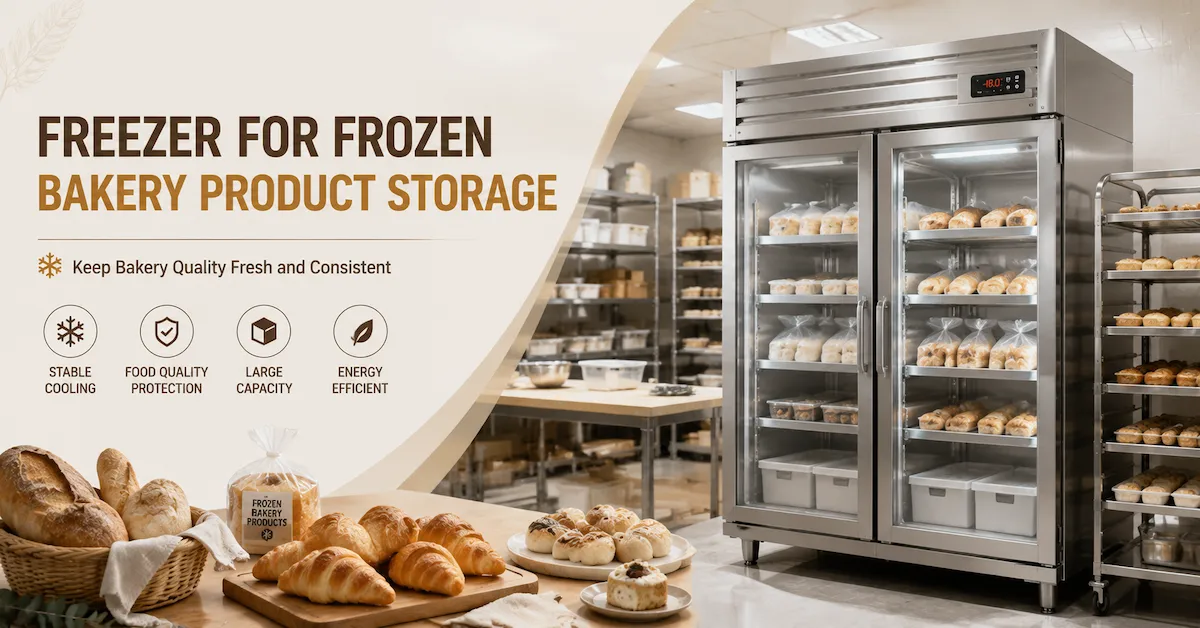
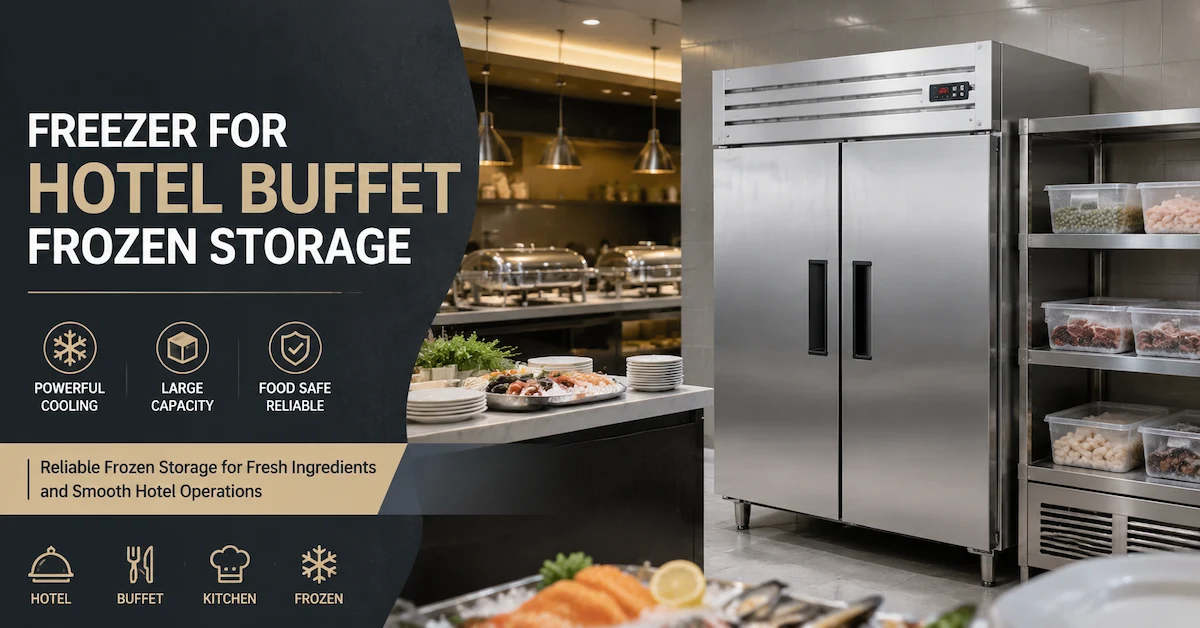
Food businesses need tailored internal layouts depending on whether they store frozen meat, prepared meals, or ice cream.
In each scenario, customization transforms refrigeration equipment into a strategic business tool.
Case Study: How Custom Freezers Increased Profit Margins
A distributor previously relied on standard freezer models across multiple regions. Over time, they faced increasing issues with performance inconsistency and lack of product differentiation.
After switching to a custom freezer manufacturer, they redesigned their product line with improved airflow systems, region-specific electrical configurations, and branded exterior panels.
Within twelve months, the results were clear:
- 22% increase in overall sales
- 25% improvement in profit margins
- Significant reduction in after-sales issues
How to Choose the Right Custom Freezer Manufacturer
Selecting the right partner requires evaluating more than just pricing.
Engineering capability is critical, as true customization depends on design expertise rather than simple assembly. Production scalability must also be considered, ensuring that quality remains consistent across large orders.
Certification support is essential for international markets, especially those requiring CE compliance.
Finally, communication and project management determine whether a customization project is delivered on time and meets expectations.
Frequently Asked Questions
What is the difference between OEM and custom freezer manufacturing?
OEM typically modifies existing products, while custom manufacturing develops solutions based on specific requirements.
Does customization increase cost?
Not necessarily. In many cases, it reduces long-term operational costs through improved efficiency.
How long does customization take?
Development usually takes 30–60 days, followed by stable production cycles.
Build a Competitive Advantage with Custom Freezer Solutions
Choosing a custom freezer manufacturer is not just about sourcing equipment—it is about building a long-term competitive advantage.
At Snowsea, we combine engineering expertise, scalable manufacturing, and global compliance to deliver refrigeration solutions that truly fit your market.
You can explore our full range of
👉 commercial refrigeration products
or contact our team directly to
👉 request a custom freezer solution