Freezer for Food Distribution: How to Maintain Cold Chain Efficiency and Product Quality
Food distribution is one of the most critical stages in the food supply chain, where temperature control directly impacts product safety, quality, and shelf life.
A properly selected freezer for food distribution ensures that products remain stable from warehouse storage to final delivery. Without reliable freezing systems, temperature fluctuations during transport and handling can lead to spoilage, reduced product value, and financial loss.
For distributors, wholesalers, and logistics providers, choosing the right freezer system is essential for maintaining efficiency and meeting industry standards.
Why Freezers Are Essential in Food Distribution
Food distribution involves multiple stages, including storage, transportation, and delivery. Each stage requires stable temperature control.
Reliable freezers help:
- Maintain consistent product temperature during transit
- Reduce spoilage and product loss
- Extend shelf life across long distances
- Support large-scale distribution operations
A stable cold chain ensures product safety and customer satisfaction.
Types of Freezers for Food Distribution
Different distribution operations require different freezer configurations.
Common options include:
- Walk-in freezers for warehouse storage
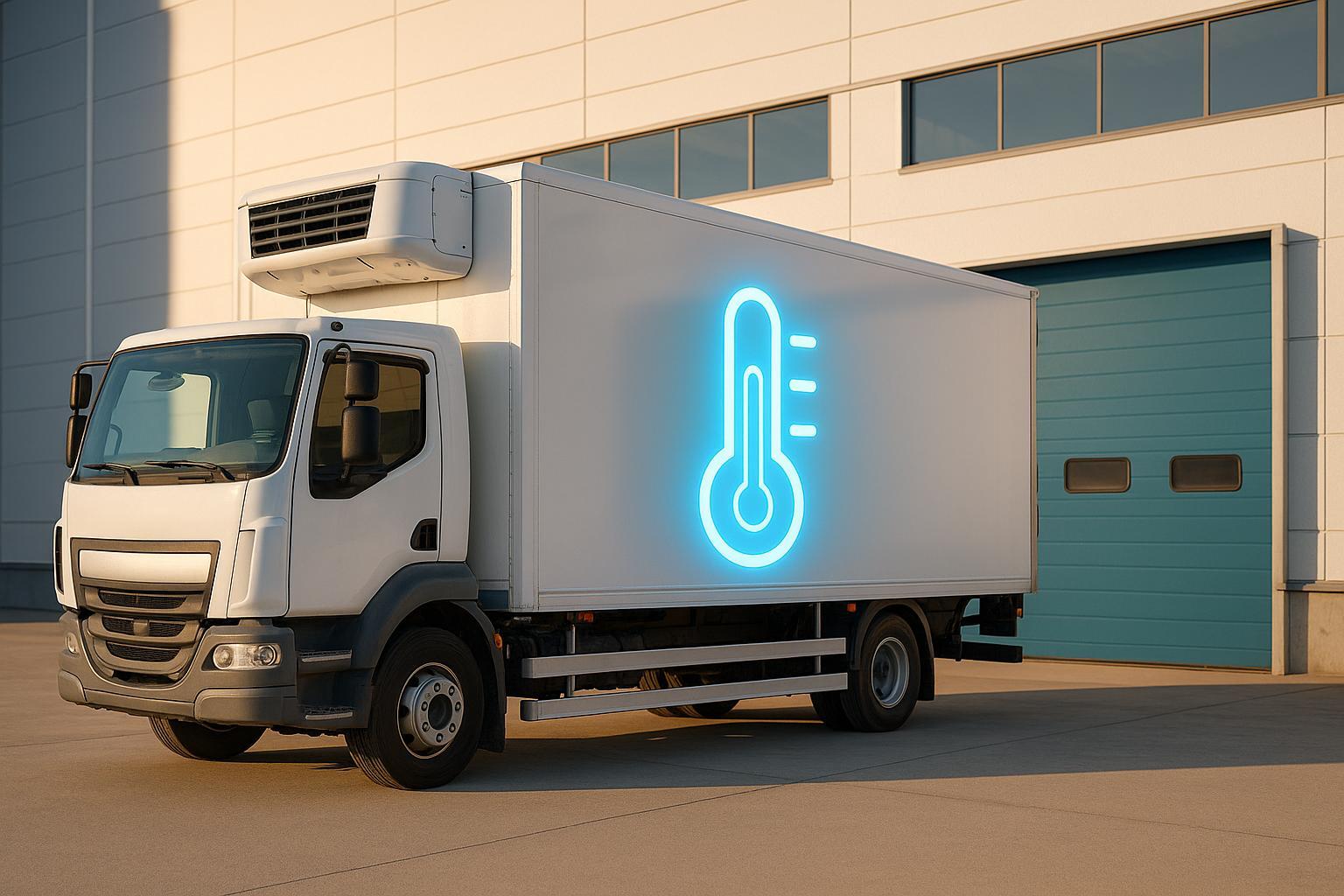
- Mobile refrigeration units for transportation
- Modular cold rooms for distribution centers
- High-capacity industrial freezers for bulk handling
Selecting the right type depends on logistics scale and product requirements.
Food Distribution Temperature Requirements
Maintaining the correct temperature is critical for preserving product quality during distribution.
| Food Type | Temperature Range | Distribution Goal |
|---|---|---|
| Frozen Meat | -18°C to -25°C | Maintain freshness |
| Seafood | -25°C to -40°C | Preserve texture |
| Vegetables | ≤ -30°C | Prevent spoilage |
| Dairy | -15°C to -25°C | Maintain stability |
Consistent temperature control prevents quality degradation and ensures compliance with food safety standards.
How Freezers Improve Distribution Efficiency
Modern freezer systems are designed to support high-efficiency logistics operations.
Key advantages include:
- Faster loading and unloading processes
- Improved organization of products
- Reduced temperature fluctuations during handling
- Lower product loss during long-distance transport
Efficient freezing systems help distributors reduce operational costs while maintaining product quality.
Real Applications in Food Distribution
Freezer systems are widely used across different distribution scenarios.
Cold storage warehouses rely on large-scale freezers for bulk storage. Logistics providers use temperature-controlled systems for transportation. Export businesses depend on reliable freezing solutions for international shipments.
Each application requires a tailored system that ensures consistent performance across the entire supply chain.
How to Choose the Right Freezer for Food Distribution
Selecting the right freezer requires evaluating several key factors:
- Distribution volume and scale
- Transport distance and duration
- Product type and storage requirements
- Temperature stability and control precision
- Energy efficiency and operating cost
A well-designed system improves both logistics performance and product safety.
Frequently Asked Questions
What is the best freezer for food distribution?
Walk-in freezers and industrial cold storage systems are commonly used for distribution operations.
Why is temperature stability important in food distribution?
It prevents spoilage and ensures product quality during transportation.
What is the typical supply lead time?
Most systems require 20–45 days depending on configuration.
Improve Your Food Distribution System
Choosing the right freezer for food distribution allows businesses to maintain product quality, improve logistics efficiency, and reduce operational risks.
A reliable freezing system is the foundation of a successful cold chain operation.
If you are looking to upgrade your distribution system or need a tailored solution for your business, you can explore more options on our official website or reach out to our team for professional support.
👉 Learn more about our solutions here:
https://www.snowseax.com/
👉 Contact us for customized system design:
https://www.snowseax.com/contact-us