Freezer for Grocery Store: How to Balance Cost, Performance, and ROI in Equipment Selection
For grocery store owners, refrigeration equipment is not just an expense—it is a long-term investment that directly impacts profitability.
Many buyers focus only on upfront cost, but a poorly chosen freezer can lead to higher energy bills, product loss, and reduced sales. On the other hand, a well-selected freezer for grocery store use can improve efficiency, reduce waste, and increase overall revenue.
Understanding the relationship between cost, performance, and return on investment (ROI) is essential.
Why Upfront Cost Is Only Part of the Equation
A cheaper freezer does not always mean better value.
Low-cost equipment may result in:
- Higher electricity consumption
- Frequent maintenance
- Shorter lifespan
- Reduced cooling performance
Total cost must include long-term operation and maintenance.
Key Cost Factors in Freezer Selection
When evaluating a freezer, consider:
- Purchase cost
- Energy consumption
- Maintenance expenses
- Product loss due to temperature instability
- Replacement cycle
These factors determine the real cost over time.
Cost vs ROI Comparison
| Factor | Low-Cost Freezer | Optimized Freezer |
|---|---|---|
| Initial Investment | Low | Moderate |
| Energy Cost | High | Lower |
| Maintenance | Frequent | Minimal |
| Product Loss | Higher | Reduced |
| Lifespan | Short | Longer |
| ROI | Low | High |
An optimized freezer delivers better long-term value.
How Freezers Influence Store Profitability
Freezers impact multiple revenue factors.
A better system helps:
- Reduce product spoilage
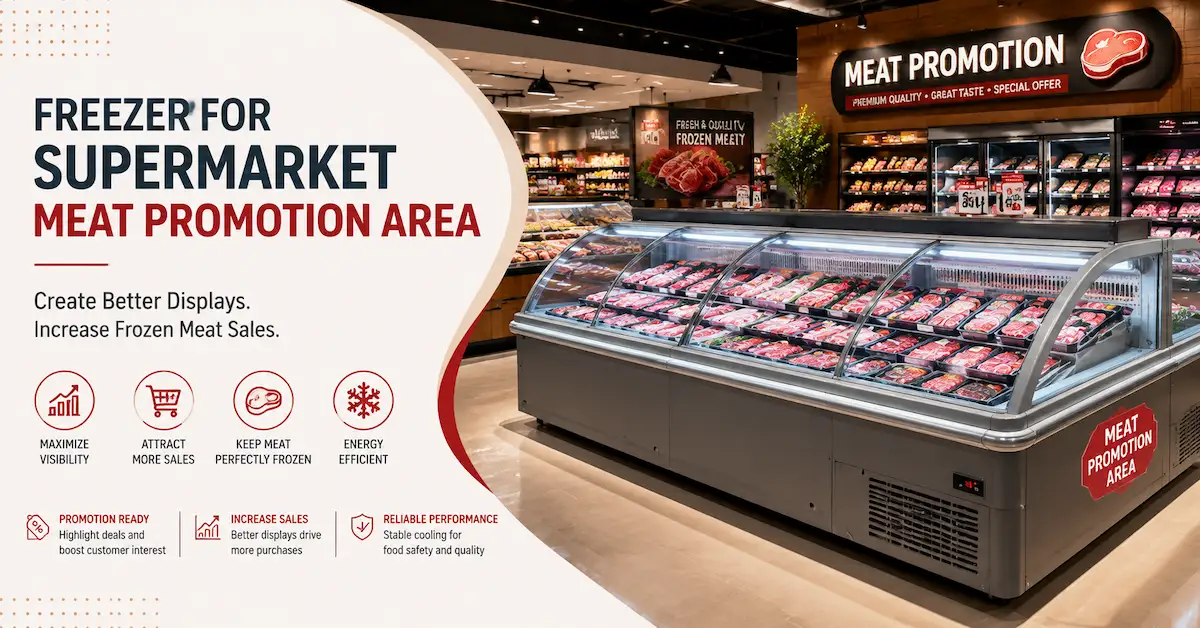
- Improve display of high-margin items
- Increase sales through better visibility
- Lower operating costs
These improvements directly increase profit margins.
Real ROI Scenarios in Grocery Stores
Different stores experience different outcomes.
Small grocery stores benefit from compact, efficient freezers. Medium stores improve turnover with better display units.
High-traffic stores increase revenue through optimized layout and performance. Chain stores achieve cost savings through standardization.
Each scenario demonstrates how equipment affects ROI.
How to Choose the Right Freezer for Grocery Store Use
Selecting the right freezer requires a financial perspective.
Key considerations include:
- Total cost of ownership
- Energy efficiency
- Product mix and turnover rate
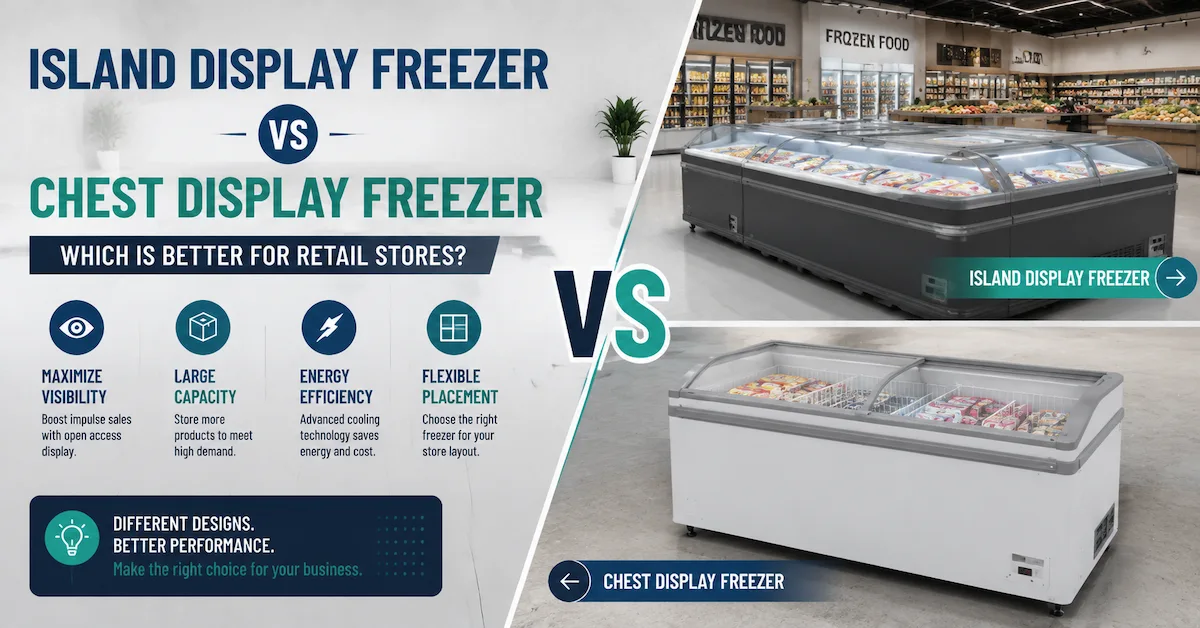
- Store layout and space
- Supplier reliability
A smart choice balances cost and long-term returns.
Frequently Asked Questions
Is a more expensive freezer worth it?
Often yes, due to lower operating costs and higher efficiency.
How can freezers reduce product loss?
By maintaining stable temperatures and proper storage conditions.
What is the typical supply lead time?
Usually 20–45 days depending on order size.
Invest in the Right Freezer for Long-Term Profit
Choosing the right freezer for grocery store use helps businesses reduce costs, improve efficiency, and increase profitability over time.
At Snowseax, we provide reliable refrigeration solutions designed for long-term value.
Explore our product range here:
👉 https://www.snowseax.com/
Or contact us to plan your investment:
👉 https://www.snowseax.com/contact-us