Freezer for Seafood Storage: How to Preserve Freshness and Prevent Quality Loss
Seafood is one of the most temperature-sensitive food categories, requiring strict cold storage conditions to maintain quality.
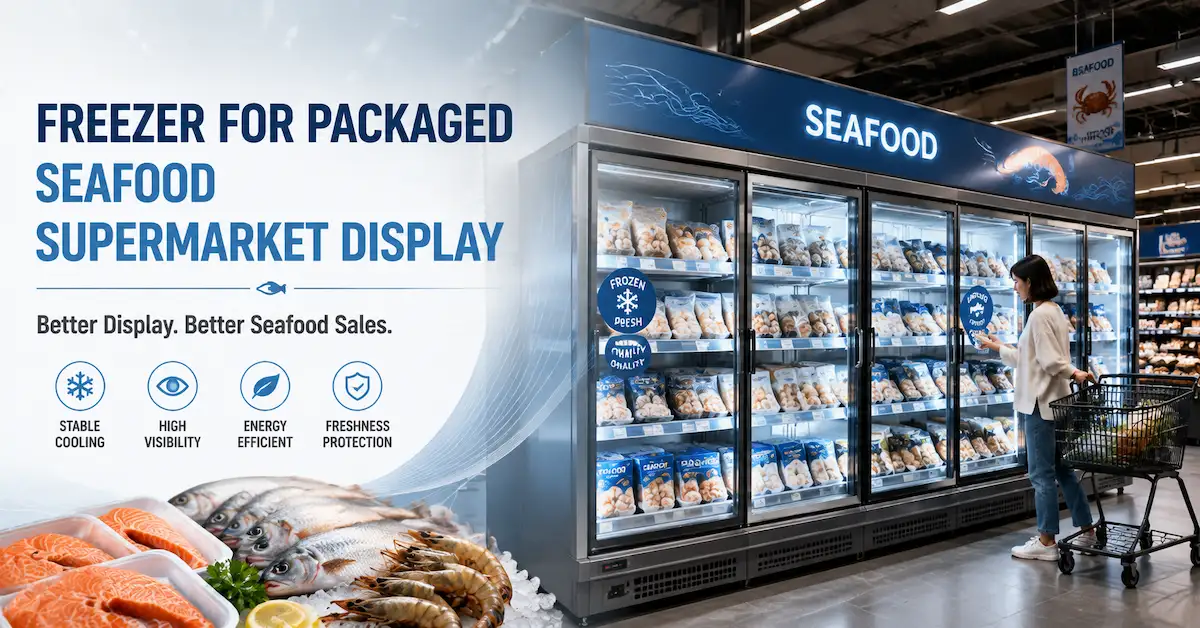
A properly selected freezer for seafood storage ensures that fish, shrimp, and other seafood products remain fresh, retain texture, and avoid dehydration or spoilage. Unlike general food storage, seafood requires lower temperatures and stable conditions to prevent quality loss.
Choosing the right freezer is critical for maintaining product value and meeting food safety standards.
Why Seafood Requires Specialized Freezers
Seafood deteriorates quickly if not stored properly.
Reliable freezers help:
- Maintain ultra-low temperatures
- Prevent ice crystal damage
- Reduce moisture loss
- Preserve texture and flavor
Temperature consistency is essential for quality control.
Types of Freezers for Seafood Storage
Different storage needs require different freezer solutions.
Common options include:
- Blast freezers for rapid freezing after harvest
- Walk-in freezers for bulk storage
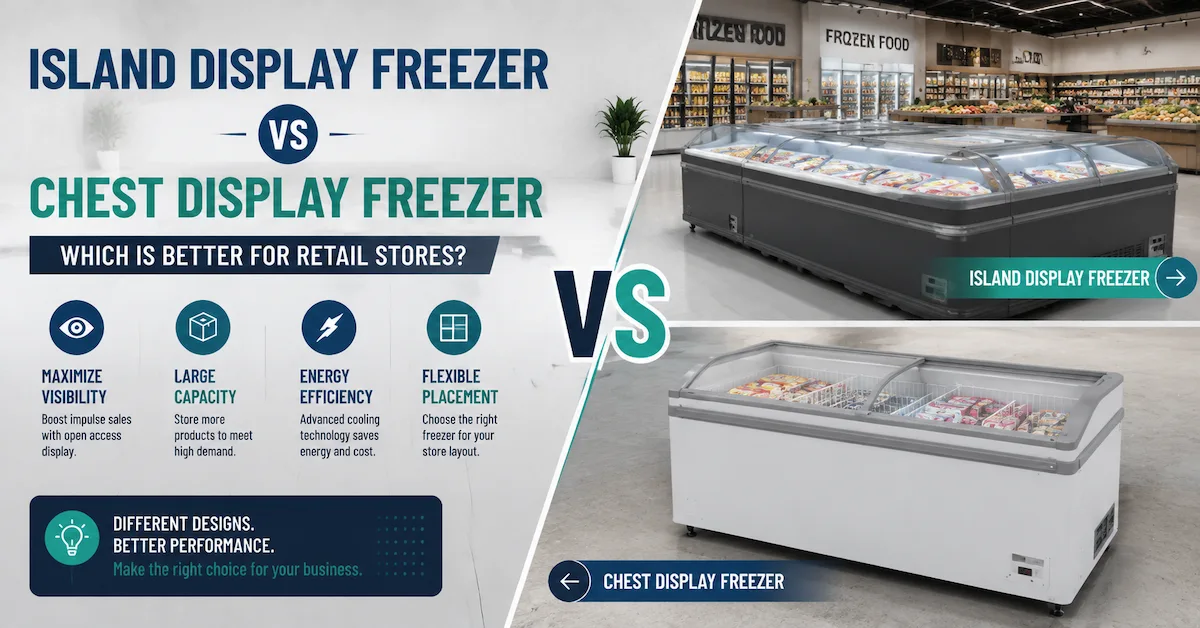
- Chest freezers for medium-scale operations
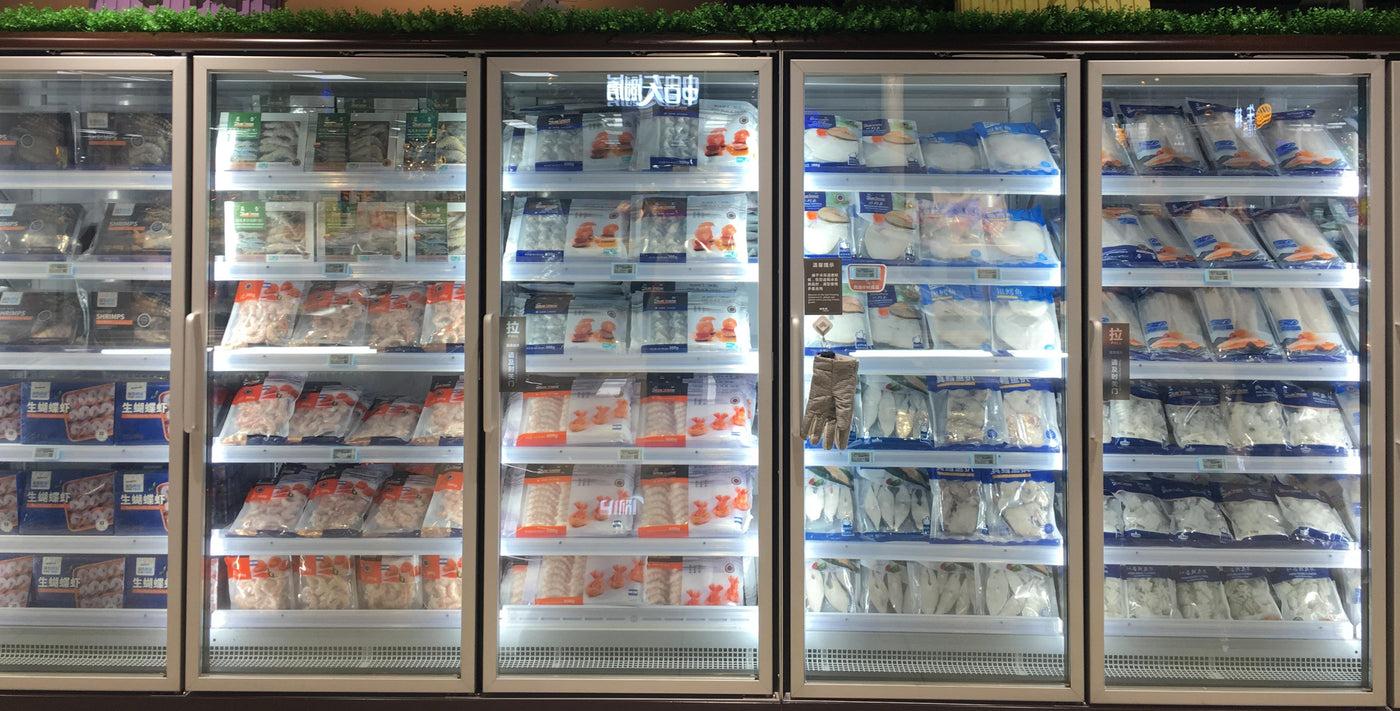
- Reach-in freezers for retail and kitchen use
Each type supports a specific stage of the seafood supply chain.
Seafood Storage Temperature Comparison
| Seafood Type | Recommended Temperature | Storage Method | Quality Impact |
|---|---|---|---|
| Fresh Fish | -18°C to -25°C | Frozen storage | High |
| Shrimp & Shellfish | -20°C to -30°C | Deep freezing | Very High |
| Premium Seafood | -30°C to -40°C | Blast freezing | Very High |
| Processed Seafood | -18°C | Standard freezing | Medium |
Maintaining correct temperature ensures product quality and shelf life.
How Freezers Prevent Seafood Quality Loss
A well-designed freezer system helps:
- Reduce oxidation and spoilage
- Maintain consistent freezing conditions
- Prevent repeated thawing cycles
- Extend storage life
Proper freezing protects both quality and profitability.
Real Applications in Seafood Storage
Different industries require different freezer setups.
Seafood processing plants use blast freezers. Wholesale distributors rely on walk-in cold storage.
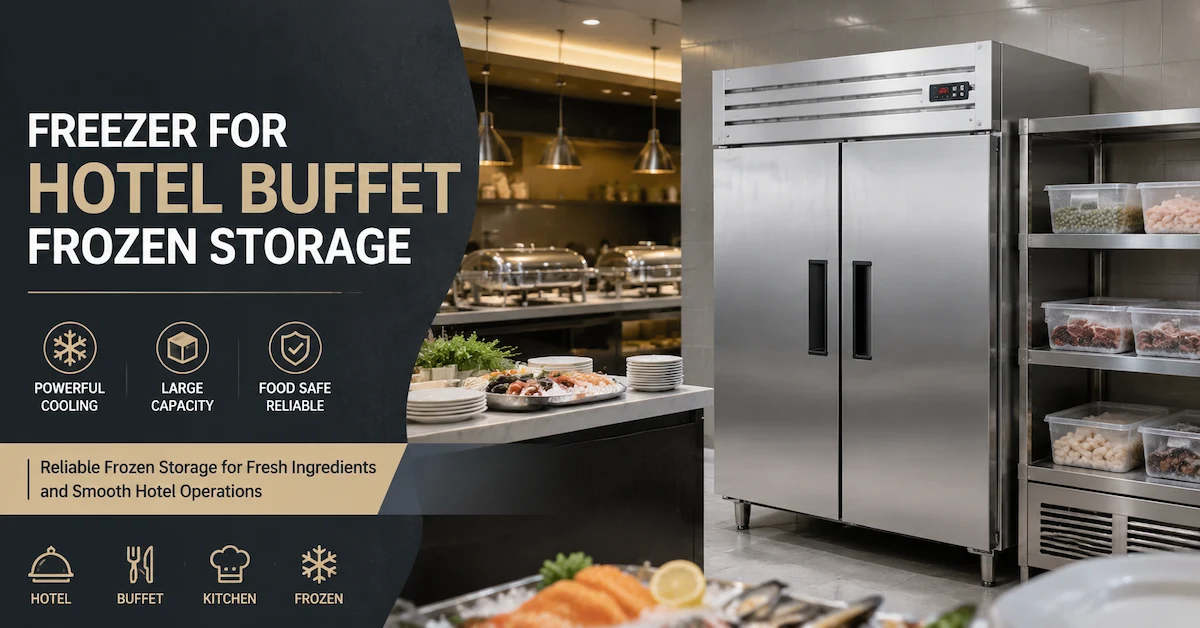
Restaurants use reach-in freezers for daily operations. Retail shops combine storage and display units.
Each scenario requires tailored refrigeration.
How to Choose the Right Freezer for Seafood Storage
Selecting the right freezer requires focusing on performance and stability.
Key factors include:
- Temperature range and stability
- Storage capacity
- Cooling speed
- Insulation quality
- Energy efficiency
A reliable supplier ensures consistent performance.
Frequently Asked Questions
What is the best freezer for seafood storage?
Blast freezers and walk-in freezers are most effective.
Why does seafood require lower temperatures?
To prevent spoilage and maintain texture.
What is the typical supply lead time?
Usually 20–45 days depending on order size.
Protect Seafood Quality with the Right Freezer Solution
Choosing the right freezer for seafood storage allows businesses to maintain freshness, extend shelf life, and ensure food safety.
At Snowseax, we provide professional refrigeration solutions for seafood storage and cold chain operations.
Explore our product range here:
👉 https://www.snowseax.com/
Or contact us to optimize your cold storage system:
👉 https://www.snowseax.com/contact-us