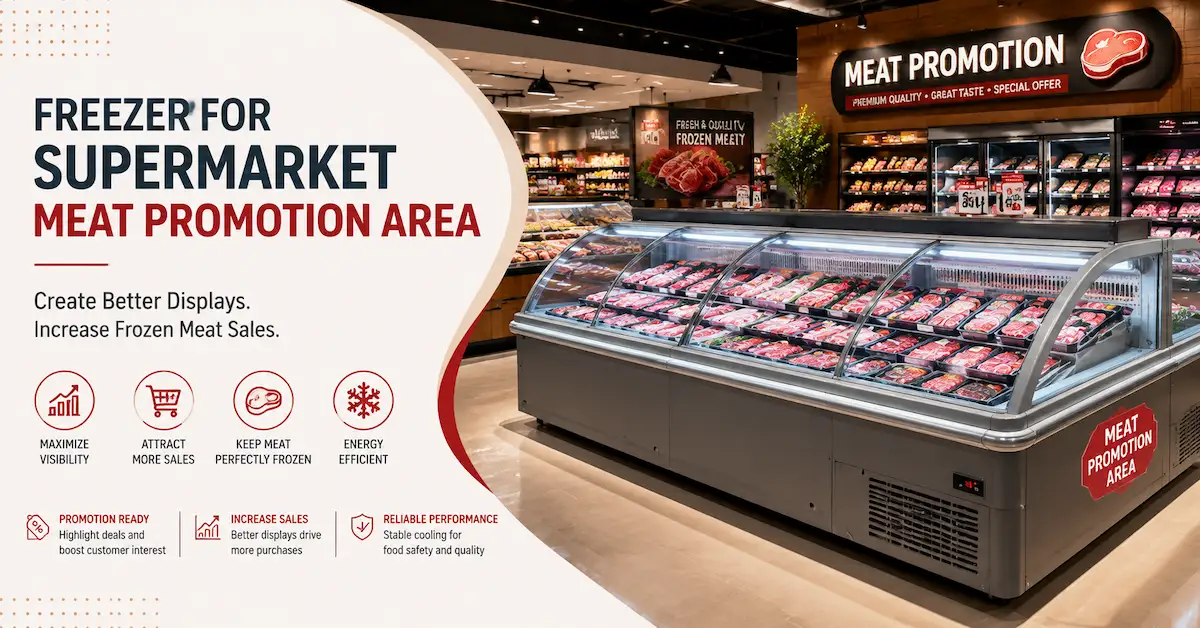
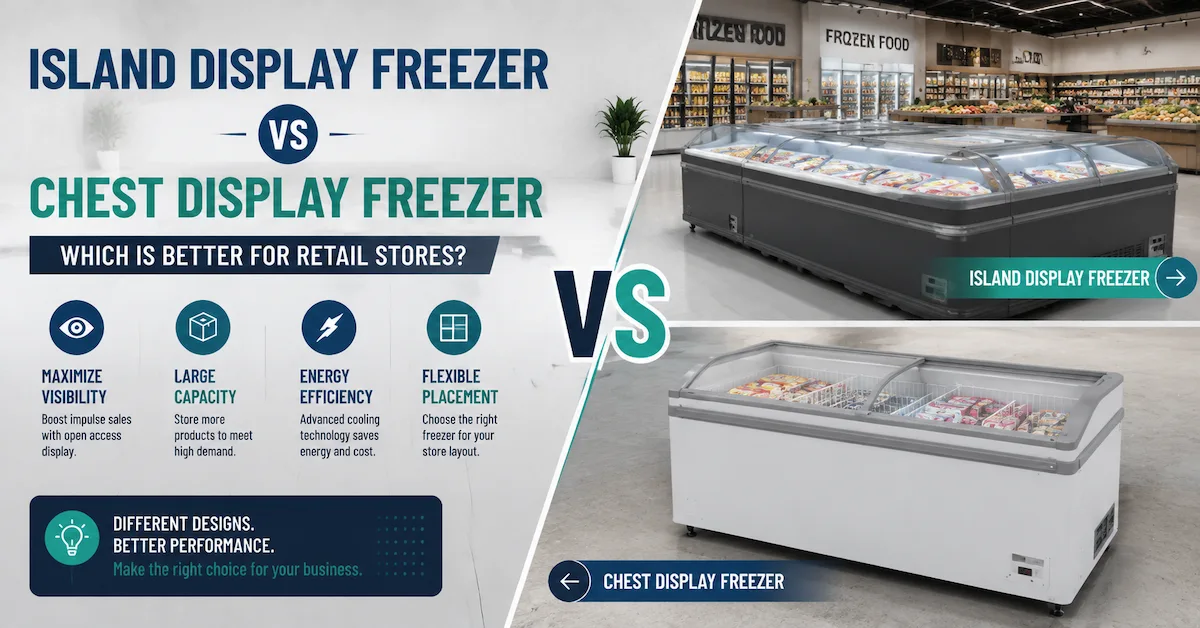
Food safety is one of the most important concerns for supermarkets, convenience stores, restaurants, food distributors, and cold storage operators. From frozen meat and seafood to dairy products, beverages, ice cream, and ready-to-eat foods, every product category depends on stable temperature control.
This is where refrigeration technology for food safety becomes essential.
A commercial freezer or refrigerator is not only a storage cabinet. It is part of the food safety system. When cooling performance is unstable, food quality can decline, ice cream can lose texture, frozen goods can suffer temperature fluctuation, and chilled products may face higher spoilage risks. For business buyers, choosing the right refrigeration equipment means protecting products, customers, brand reputation, and operating costs at the same time.
For companies that manage retail display, restaurant storage, or wholesale cold chain supply, refrigeration technology should be evaluated carefully before purchasing equipment.
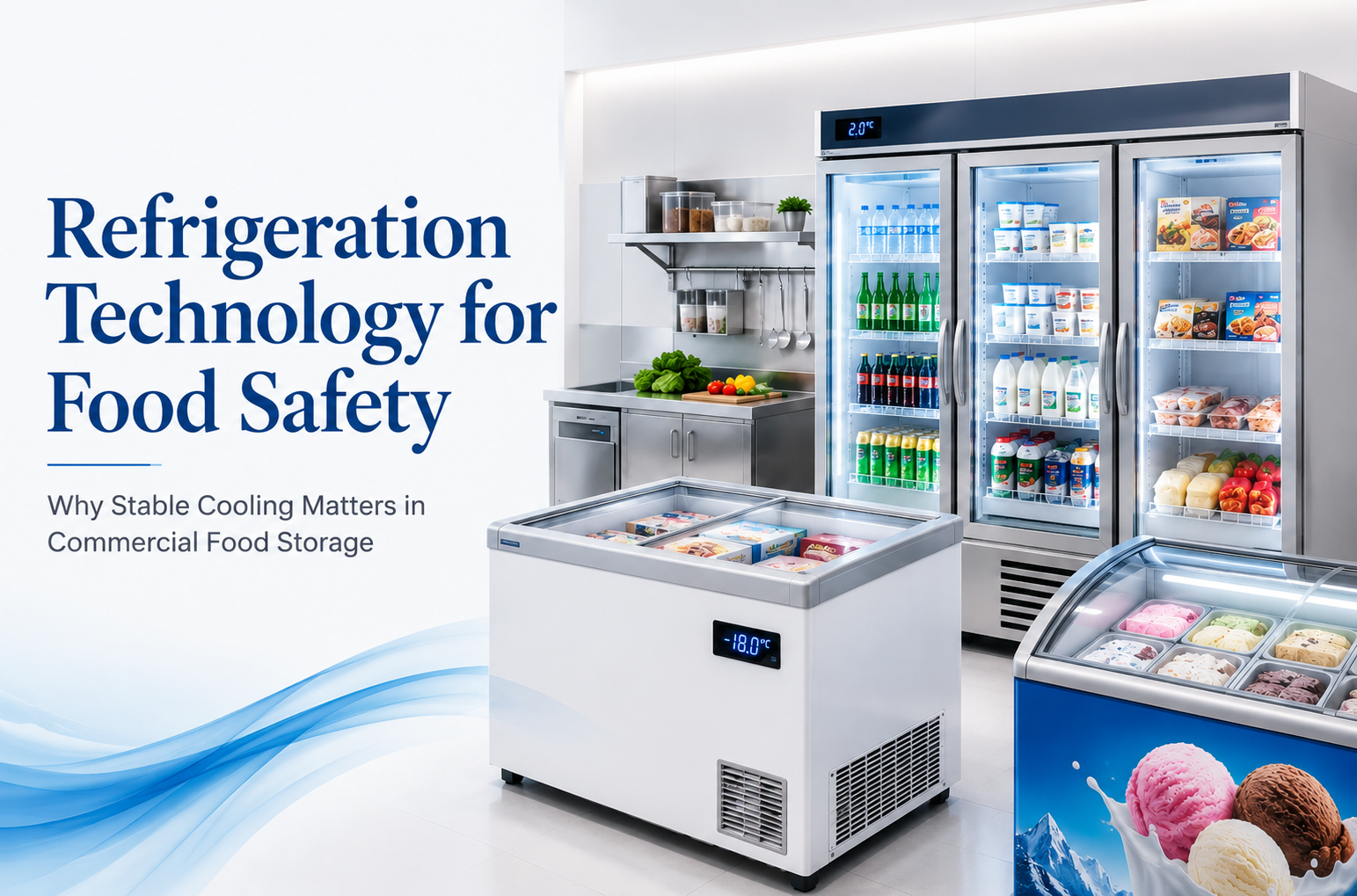
Why Refrigeration Technology Is Closely Linked to Food Safety
Food products are sensitive to temperature. In commercial environments, doors are opened frequently, products are loaded in bulk, and equipment may run continuously for long hours. A weak refrigeration system can struggle to recover temperature quickly after each door opening or restocking operation.
Reliable refrigeration technology helps businesses:
- Keep frozen and chilled food within target temperature ranges
- Reduce temperature fluctuation during daily operation
- Slow microbial growth in temperature-sensitive products
- Maintain product texture, freshness, and appearance
- Reduce food waste caused by spoilage or freezer burn
- Support safer storage for meat, seafood, dairy, beverages, ice cream, and prepared foods
For food retailers and food service operators, food safety is not only about regulations. It directly affects customer trust and business profitability.
Key Temperature Challenges in Commercial Food Storage
Commercial buyers often focus on cabinet size and price first, but food safety depends heavily on temperature stability. Different food businesses face different risks.
1. Frequent Door Opening
In supermarkets and convenience stores, customers often open glass doors or sliding lids to pick products. Every opening allows warm air to enter the cabinet. If the refrigeration system is not powerful enough, the cabinet may take too long to return to the set temperature.
This is especially important for ice cream freezers, beverage showcases, and supermarket display cabinets.
2. Bulk Product Loading
Restaurants, food factories, and distributors often load large amounts of products at once. Warm or newly delivered products can increase the internal temperature of the cabinet. A good cooling system should support fast temperature recovery.
3. Poor Air Circulation
If cold air cannot circulate evenly, some areas inside the cabinet may be colder while other areas remain too warm. This can affect food safety and product consistency.
4. Frost Build-Up
Frost can reduce cooling efficiency, block airflow, and increase energy consumption. No frost technology or optimized defrost systems can help reduce maintenance pressure and improve stable operation.
5. Unstable Ambient Conditions
Commercial refrigeration equipment may be used in supermarkets, kitchens, warehouses, outdoor-adjacent retail areas, or high-temperature markets. The equipment must be designed to perform reliably under real working conditions.
Core Refrigeration Technologies That Support Food Safety
When evaluating refrigeration technology for food safety, buyers should look beyond the appearance of the cabinet. The internal system is what determines long-term performance.
Efficient Compressor System
The compressor is the heart of refrigeration equipment. A reliable compressor helps maintain stable cooling, supports temperature recovery, and allows the cabinet to run for long periods.
For commercial users, compressor performance affects:
- Cooling speed
- Energy consumption
- Noise level
- Service life
- Temperature stability under heavy use
A high-efficiency compressor is especially important for freezers, upright freezers, ice cream cabinets, and large display showcases.
Accurate Temperature Control
Digital temperature control helps operators monitor and adjust storage conditions more easily. In commercial food storage, a few degrees of fluctuation can affect product quality.
A stable temperature control system can help:
- Reduce overcooling or undercooling
- Support safer food storage
- Improve operating consistency
- Make daily management easier for staff
For supermarkets and restaurants, accurate temperature control also helps standardize operations across different locations.
Strong Insulation Structure
Insulation affects how well the cabinet keeps cold air inside. A freezer or refrigerator with strong insulation can reduce energy loss and maintain temperature more effectively during power changes, door opening, or busy business hours.
Good insulation is especially useful for:
- Chest freezers
- Ice cream freezers
- Combined island cabinets
- Cold storage equipment
- Commercial display refrigerators
Airflow and Cooling Design
Different products require different cooling structures. For example, frozen meat needs strong low-temperature storage, while beverages and dairy products require stable chilled storage. Ice cream requires consistent freezing to maintain texture.
Proper airflow design helps maintain even temperature inside the cabinet and reduces hot spots.
Defrost and No Frost Technology
Frost build-up can affect cooling performance over time. No frost technology and proper defrost systems help reduce manual cleaning, improve airflow, and keep equipment working efficiently.
For stores with high daily traffic, no frost refrigeration can reduce maintenance time and improve operating reliability.
Which Snowsea Products Support Food Safety Applications?
Snowsea provides different commercial refrigeration equipment for food storage, retail display, ice cream display, and cold chain use. Buyers can choose models based on food type, operating environment, and storage purpose.
| Product Type | Best For | Food Safety Value |
|---|---|---|
| Chest Freezer | Meat, seafood, frozen food, bulk storage | Large capacity, stable low-temperature storage |
| Double Temperature Cabinet | Businesses needing both chilled and frozen storage | Flexible temperature zones for mixed products |
| No Frost Series | High-frequency commercial use | Lower maintenance and more stable airflow |
| Sliding Glass Door Ice Cream Freezer | Supermarkets, convenience stores, ice cream retail | Product visibility with reliable freezing |
| Arch Glass Door Ice Cream Freezer | Ice cream display and retail branding | Attractive display and stable storage |
| Combined Island Cabinet | Supermarket frozen food zones | Large display area for high-volume retail |
| Single / Double Door Refrigerator | Restaurants, cafés, small stores | Daily chilled storage for drinks and food |
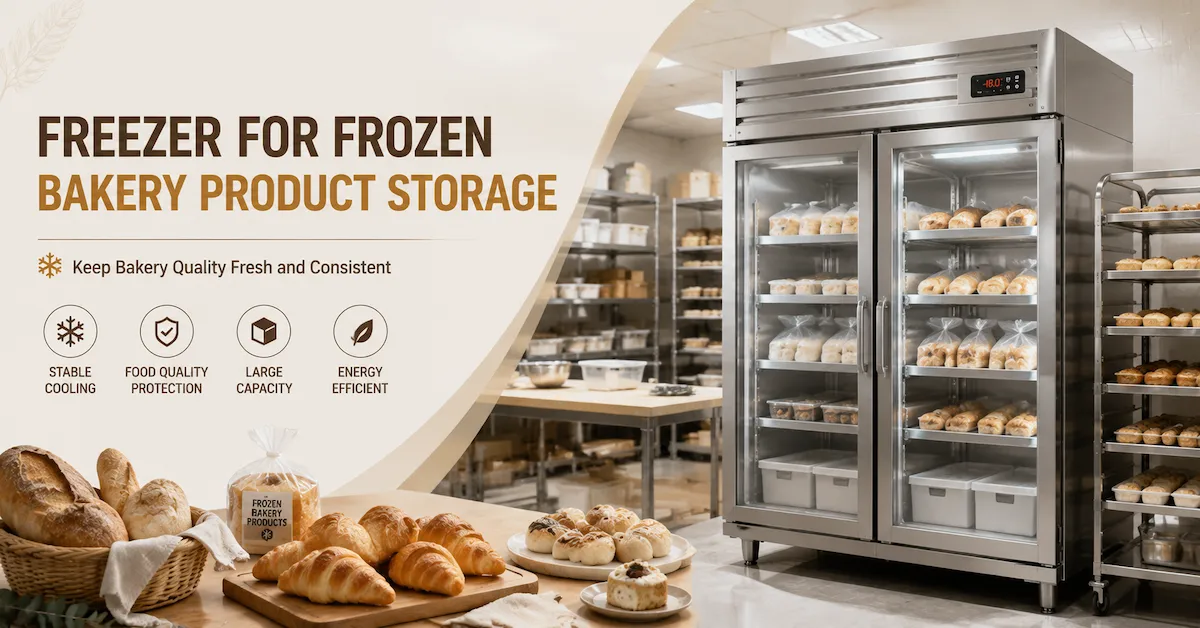
| Upright Freezer | Kitchens, retail backrooms, food service | Vertical storage with easy classification |
| Showcase Refrigerator | Beverage, dairy, dessert, packaged food display | Clear display with controlled cooling |
For buyers comparing different models, the Snowsea Products Page can be used as the main internal link for product selection.
How Different Businesses Use Refrigeration Technology for Food Safety
Supermarkets and Grocery Stores
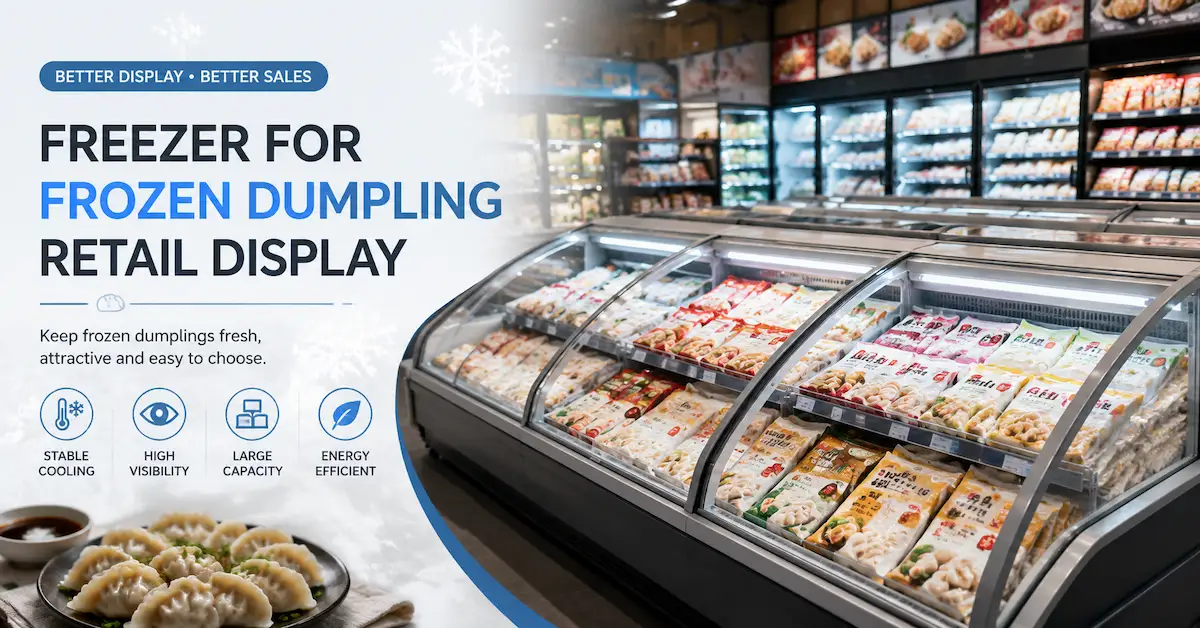
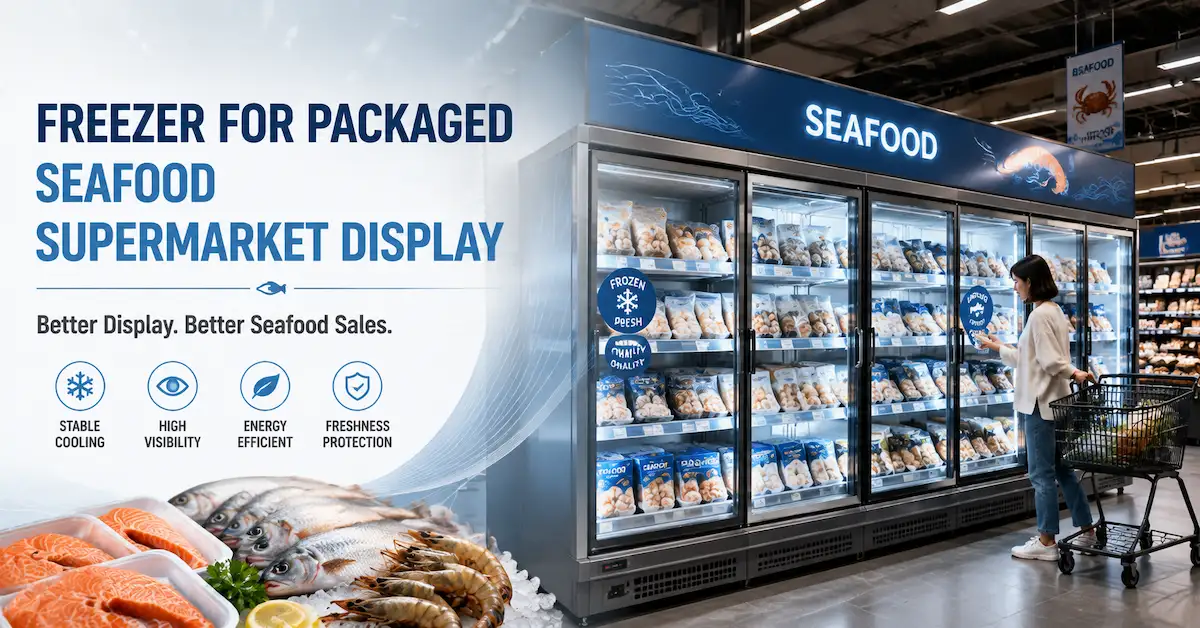
Supermarkets need refrigeration systems that can handle frequent customer access, long operating hours, and large product variety. Products may include frozen seafood, meat, ice cream, dairy, drinks, and ready-to-eat foods.
Recommended equipment includes chest freezers, combined island cabinets, three-door showcases, and ice cream freezers.
Convenience Stores
Convenience stores often need compact equipment with strong display value. Space is limited, but product turnover can be high. Stable cooling helps protect beverages, dairy products, frozen snacks, and ice cream.
Recommended equipment includes single door showcases, double door showcases, sliding glass door ice cream freezers, and compact refrigerators.
Restaurants and Commercial Kitchens
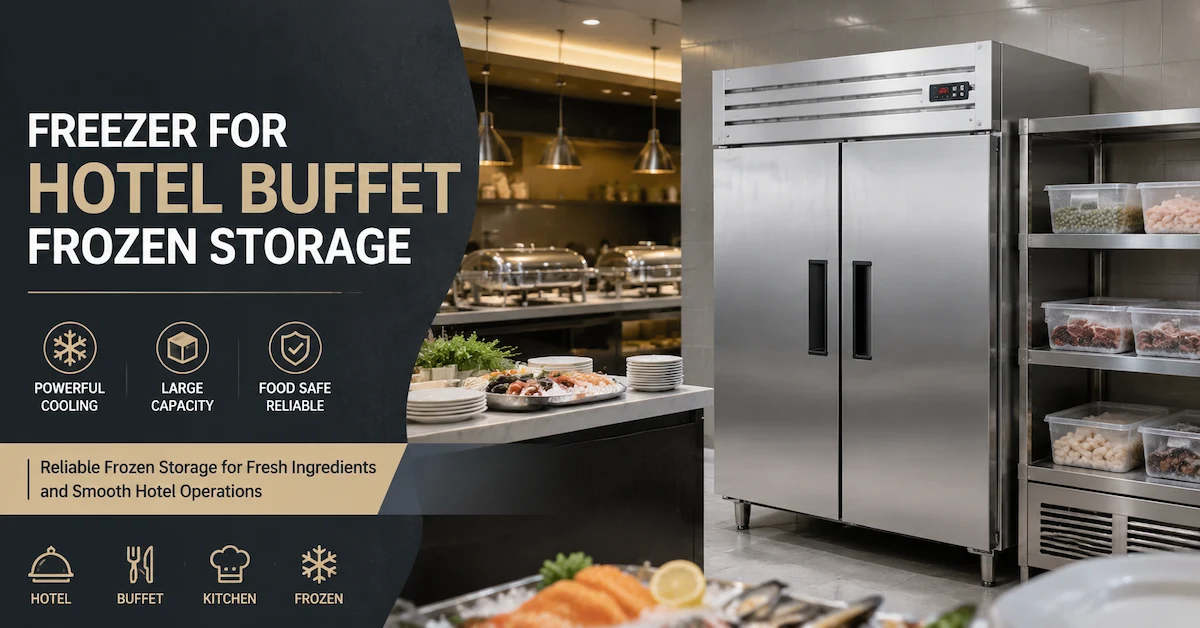
Restaurants need equipment that supports fast access and organized storage. Food safety is especially important because ingredients are used daily in meal preparation.
Recommended equipment includes upright freezers, double door refrigerators, four door refrigerators, and chest freezers.
Ice Cream Shops and Frozen Dessert Brands
Ice cream requires stable freezing to maintain texture, shape, and quality. Temperature fluctuation can cause melting and refreezing, which affects appearance and customer experience.
Recommended equipment includes sliding glass door ice cream freezers, arch glass door freezers, and combined island cabinets.
Food Distributors and Importers
Distributors need reliable equipment for wholesale supply, private label projects, and long-term market development. They often care about product consistency, export packaging, spare parts, and OEM/ODM flexibility.
For these buyers, Snowsea OEM/ODM refrigeration solutions can support custom size, appearance, logo, structure, voltage, packaging, and market-specific requirements.
What Buyers Should Check Before Choosing Commercial Refrigeration Equipment
Choosing the wrong refrigeration equipment can lead to higher energy costs, product loss, customer complaints, and maintenance problems. Before placing an order, buyers should check these factors carefully.
1. Temperature Range
Different foods require different temperature ranges. Frozen food, chilled beverages, ice cream, and dairy products should not be stored in the same way. Buyers should confirm whether the cabinet supports the required storage temperature.
2. Cooling Recovery Speed
Ask how quickly the equipment can return to the target temperature after door opening or product loading. This is important for stores with high traffic.
3. Cabinet Capacity
Capacity should match product volume. Overloading the cabinet can block airflow and reduce cooling performance.
4. Door and Glass Structure
Glass doors improve product visibility, but they must also support insulation and anti-condensation performance. Sliding doors save space, while upright glass doors are better for beverage and food display.
5. Energy Efficiency
Energy-efficient refrigeration equipment can reduce long-term operating costs. For chain stores and supermarkets, electricity consumption is a major part of daily operating expenses.
6. Defrost and Maintenance
No frost or optimized defrost systems can reduce manual cleaning and help equipment maintain stable performance.
7. OEM/ODM Support
For brand owners and importers, OEM/ODM support is important. Buyers may need customized branding, cabinet color, door type, plug, voltage, packaging, or product structure.
Why OEM/ODM Refrigeration Matters for Food Safety Projects
Food safety needs vary by market. A supermarket in a hot climate, a convenience store with limited space, and a distributor selling private label refrigeration equipment may all need different solutions.
OEM/ODM customization can help buyers match equipment to real market requirements.
Snowsea can support commercial refrigeration projects with:
- Product structure customization
- Cabinet size and capacity options
- Logo and branding customization
- Temperature control configuration
- Door type and display design
- Export packaging support
- Product testing and quality inspection
- Commercial freezer and refrigerator model selection
For buyers planning long-term distribution or private label projects, OEM/ODM is not only about appearance. It also helps ensure that the equipment fits the target application, local market, and customer expectations.
Quality Control: The Foundation of Safe Refrigeration Performance
A good refrigeration product needs more than a strong design. It also requires controlled manufacturing and testing.
For commercial refrigeration equipment, quality control should include:
- Material inspection
- Cabinet structure assembly
- Foaming and insulation process control
- Refrigeration system installation
- Temperature performance testing
- Electrical safety checks
- Final inspection before packing
- Export packaging verification
These steps help reduce performance variation and support stable operation after delivery.
For international buyers, consistent quality is especially important because after-sales service and replacement costs can be high. A reliable manufacturer should have a clear production process and quality-controlled manufacturing system.
Refrigeration Technology for Food Safety Is Also About Business Protection
Food safety issues can lead to product loss, customer complaints, and damage to brand reputation. For food businesses, refrigeration equipment is a long-term investment.
Good refrigeration technology helps buyers:
- Protect product freshness
- Reduce spoilage risk
- Improve customer confidence
- Lower maintenance pressure
- Support organized food storage
- Improve retail display performance
- Build a more reliable cold chain system
This is why commercial buyers should not only compare price. They should compare cooling performance, temperature stability, cabinet structure, insulation quality, testing process, and OEM/ODM support.
FAQ
1. What is refrigeration technology for food safety?
Refrigeration technology for food safety refers to cooling systems, temperature control, insulation, airflow design, and defrost technology that help keep food within safe storage conditions.
2. Why is temperature stability important in commercial refrigeration?
Temperature stability helps reduce spoilage risk, protect product quality, and support safer storage for frozen and chilled foods.
3. Which products need reliable refrigeration most?
Meat, seafood, dairy, ice cream, frozen foods, beverages, prepared foods, and ready-to-eat products all require stable refrigeration.
4. Is a chest freezer better for bulk food storage?
Yes. Chest freezers are often suitable for bulk frozen food storage because they offer large capacity and strong cold retention.
5. What type of freezer is best for ice cream display?
Sliding glass door ice cream freezers, arch glass door freezers, and combined island cabinets are commonly used for ice cream display and retail sales.
6. Why should buyers consider no frost refrigeration?
No frost refrigeration can reduce frost build-up, improve airflow, lower maintenance work, and support more stable performance in busy commercial environments.
7. Can Snowsea provide OEM/ODM refrigeration solutions?
Yes. Snowsea supports OEM/ODM solutions for commercial freezers, refrigerators, ice cream freezers, and showcase products, including branding, structure, size, voltage, and packaging customization.
8. How should importers choose a commercial refrigeration manufacturer?
Importers should check product range, production process, temperature testing, quality control, OEM/ODM ability, export packaging, delivery stability, and long-term communication support.
Conclusion
Reliable refrigeration technology for food safety is essential for every business that stores, displays, or distributes temperature-sensitive food. From chest freezers and ice cream freezers to refrigerators and showcase cabinets, the right equipment can help protect product quality, reduce waste, and support safer daily operations.
For supermarkets, restaurants, convenience stores, food distributors, and private label buyers, Snowsea provides commercial refrigeration equipment and OEM/ODM support for real-world food storage and retail applications.
To compare suitable models, visit the Snowsea Products Page. For custom refrigeration projects, explore the Snowsea OEM/ODM Page or contact the Snowsea team for a tailored solution.