Refrigerator for Fresh Food Storage: How to Maintain Freshness and Extend Shelf Life
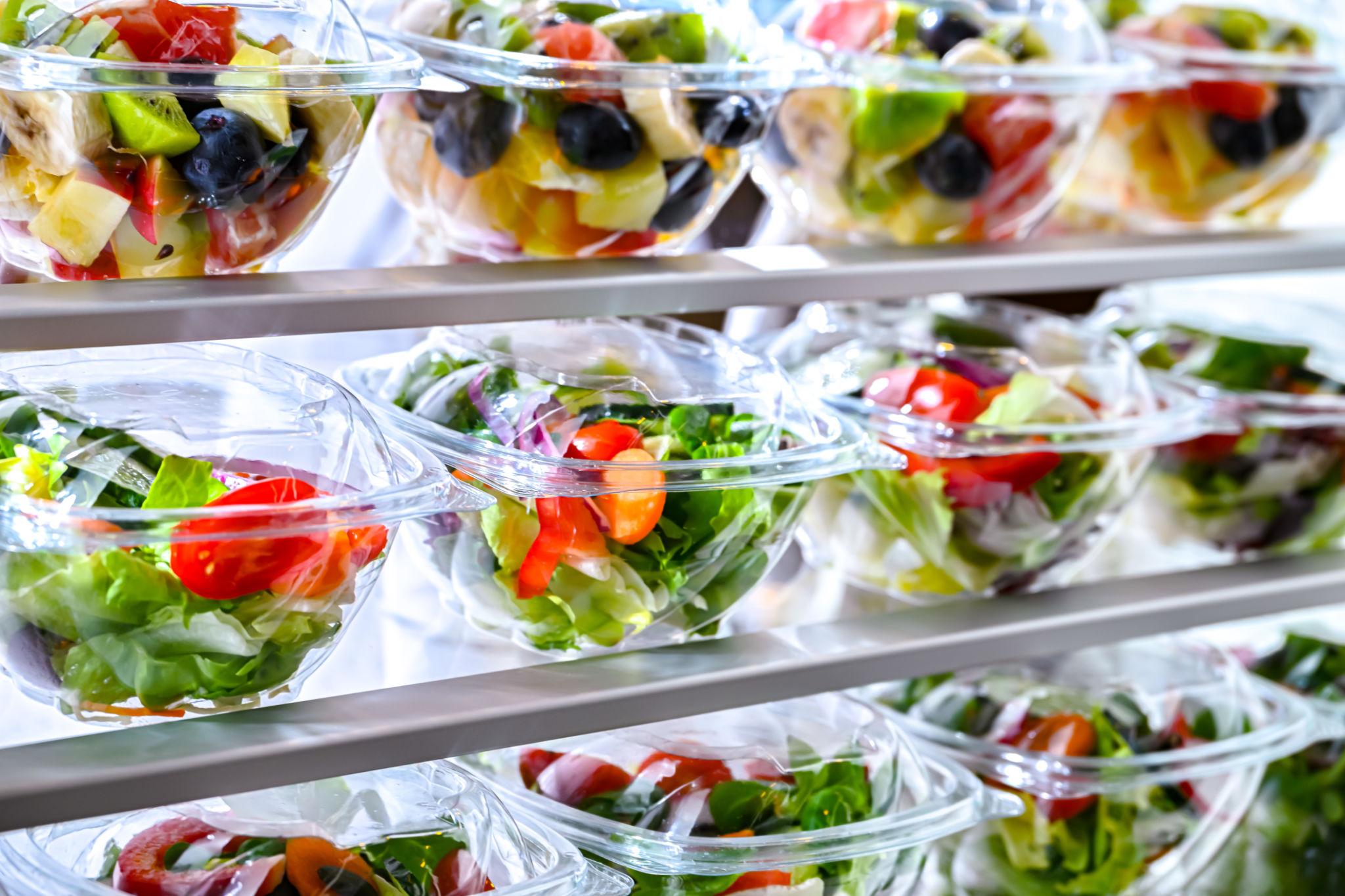
Fresh food storage requires precise temperature and humidity control to maintain quality and reduce spoilage.
A properly selected refrigerator for fresh food storage helps businesses preserve vegetables, fruits, dairy, and prepared foods under optimal conditions. Unlike freezing systems, refrigeration focuses on maintaining freshness without damaging texture.
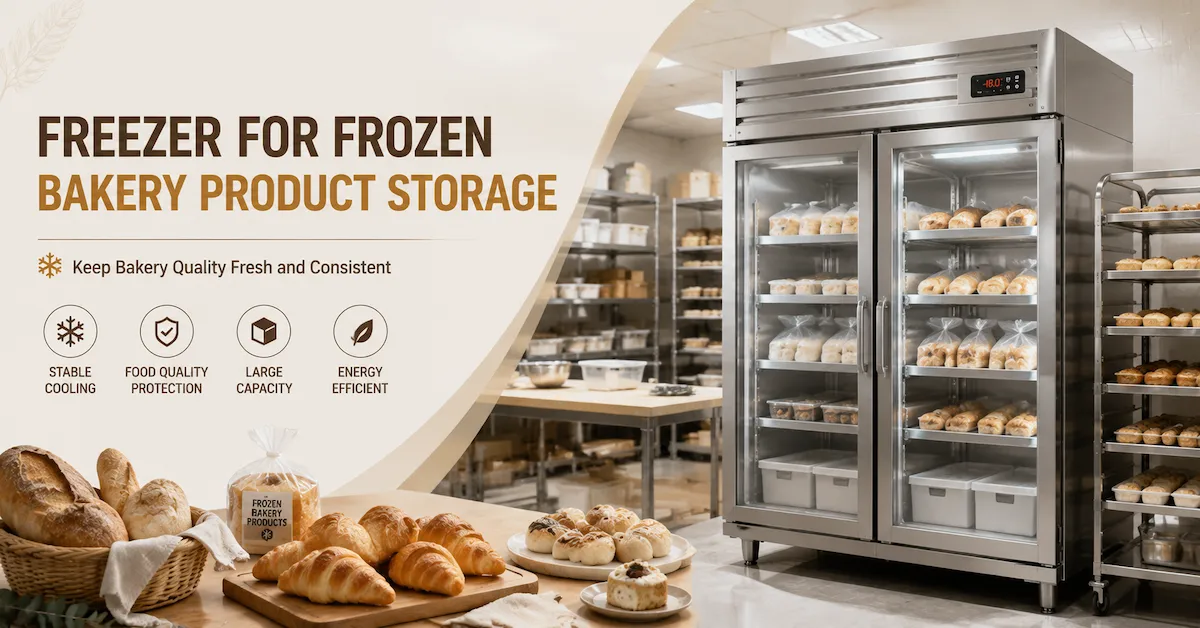
For businesses managing multiple product categories, combining refrigeration with a freezer for food storage creates a complete cold chain solution that ensures both short-term freshness and long-term preservation.
Types of Refrigerator for Fresh Food Storage
Different storage environments require different refrigeration systems.
- Commercial refrigerators for restaurants and retail
- Walk-in refrigerators for bulk storage
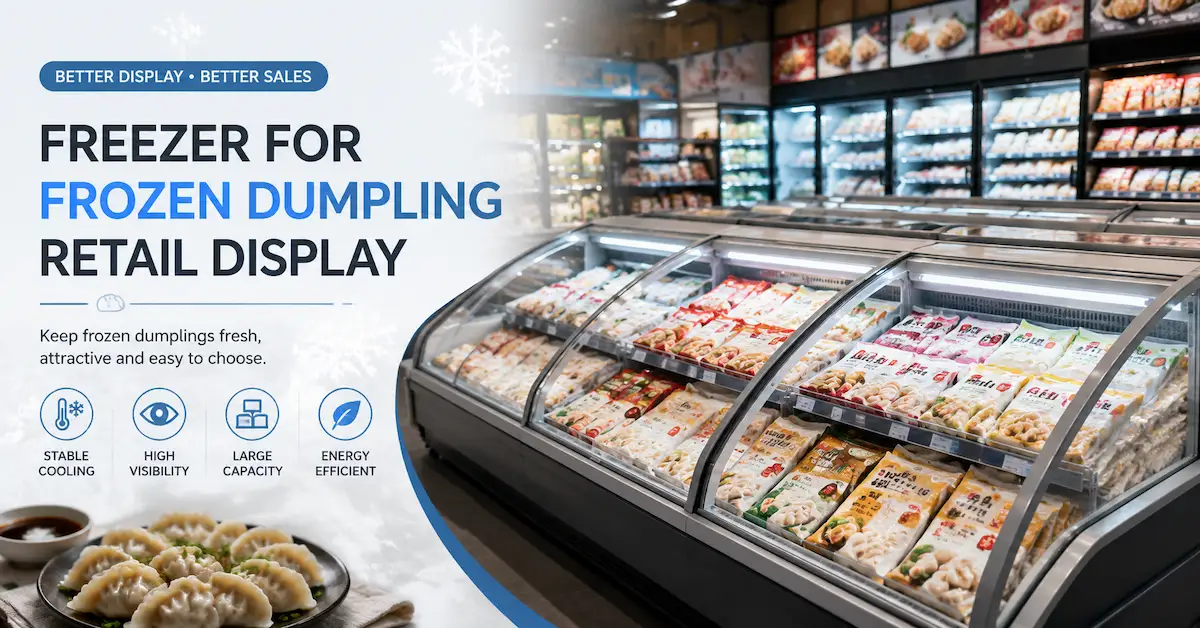
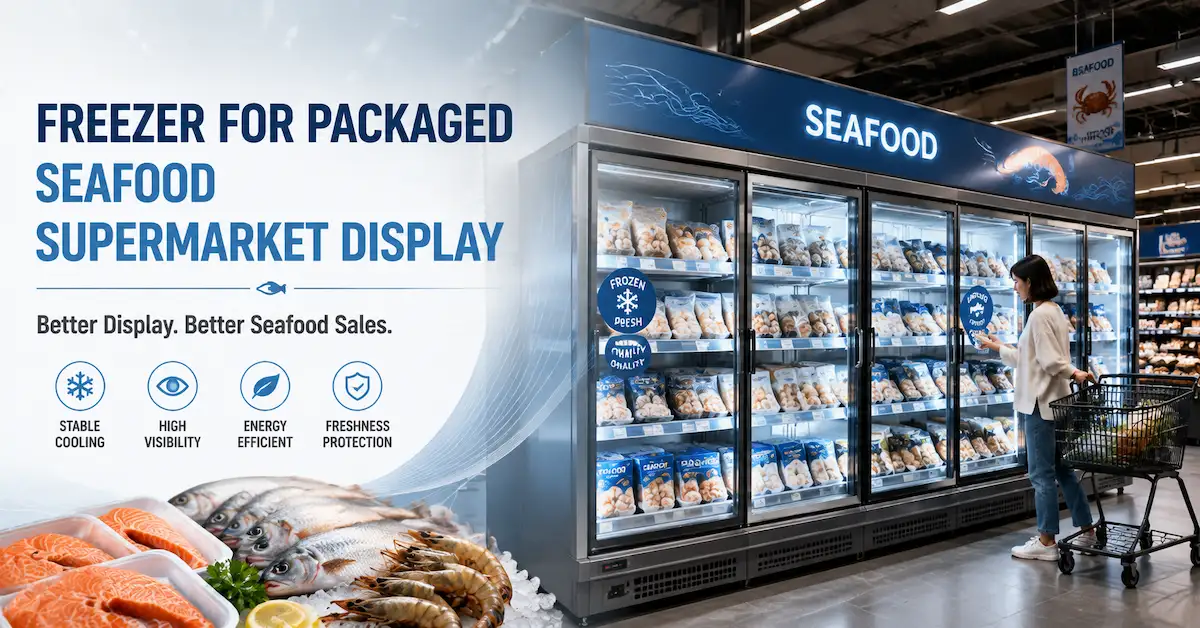
- Display refrigerators for supermarkets
- Undercounter refrigerators for kitchens
For larger operations, integrating these systems into a
👉 walk-in refrigeration system
can significantly improve storage efficiency and temperature stability.
Refrigerator Applications Across Industries
Fresh food storage varies across industries, and each environment requires a tailored solution.
Retail-focused businesses such as
👉 freezer for retail store
👉 freezer for convenience store
often prioritize compact refrigeration systems with strong display capabilities.
Meanwhile, food-specific operations handling vegetables and dairy frequently rely on systems similar to
👉 freezer for frozen vegetables
👉 freezer for dairy products
to maintain consistent product quality throughout the supply chain.
Fresh Food Storage Temperature Guide
Maintaining the correct temperature is critical for preserving freshness and reducing waste.
| Food Type | Recommended Temperature | Storage Goal |
|---|---|---|
| Vegetables | 0°C to 4°C | Maintain freshness |
| Fruits | 2°C to 6°C | Prevent spoilage |
| Dairy | 1°C to 4°C | Preserve texture |
| Prepared Food | 0°C to 5°C | Extend shelf life |
Stable temperature control ensures that food retains its natural quality.
How Refrigeration Systems Improve Fresh Food Quality
A well-designed refrigeration system enhances both product quality and operational efficiency.
Key factors include:
- Balanced airflow for even cooling
- High-quality insulation to reduce energy loss
- Stable temperature zones for different food types
- Efficient cooling systems for long-term use
Businesses that upgrade to modern commercial systems often see improvements in both cost control and product consistency.
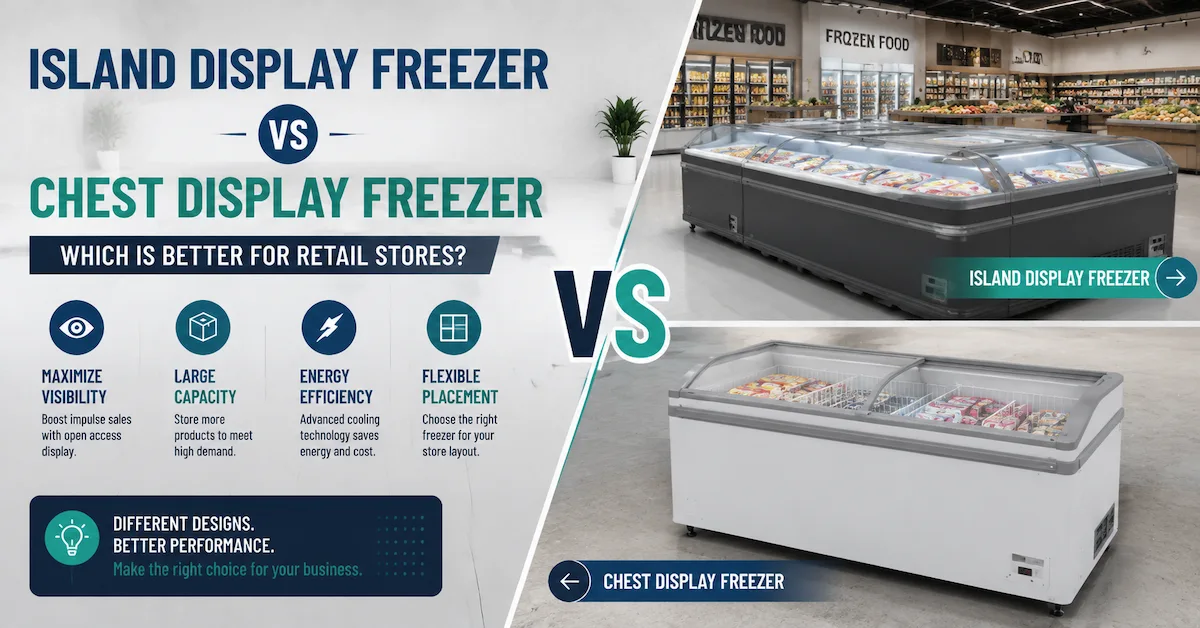
Refrigerator vs Freezer: Key Differences
Understanding the difference between refrigeration and freezing is essential.
| System | Temperature | Purpose |
|---|---|---|
| Refrigerator | 0°C to 5°C | Fresh storage |
| Freezer | ≤ -18°C | Long-term storage |
Most businesses use both systems together to build a complete cold chain.
Real Applications in Fresh Food Storage
Refrigeration systems are widely used across industries.
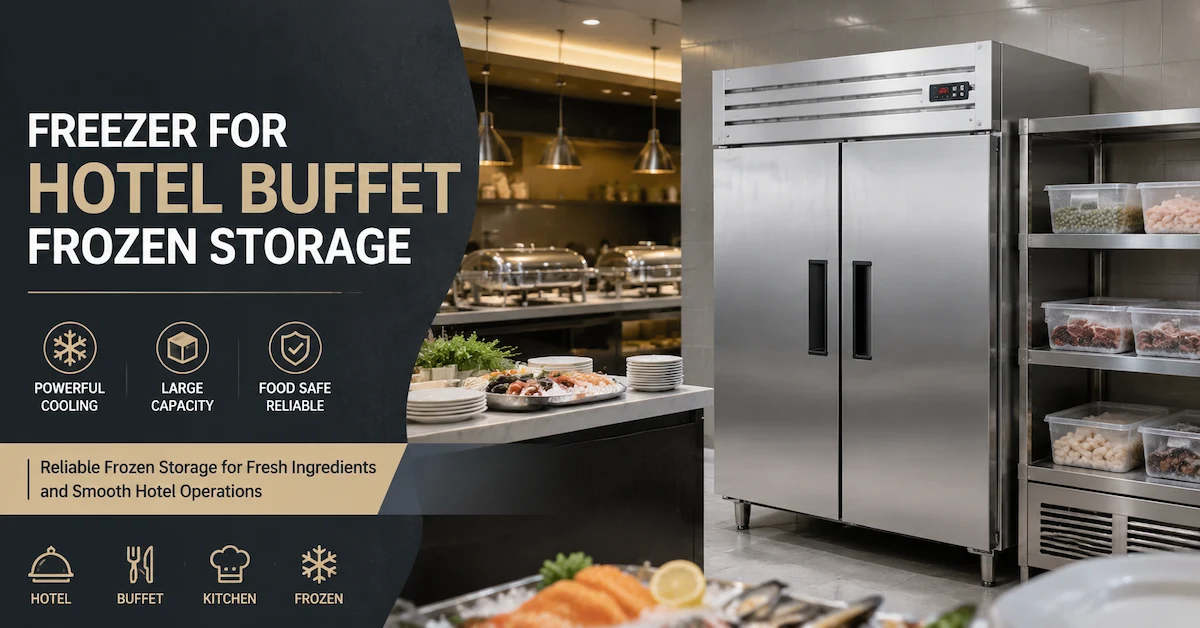
Restaurants depend on them for daily ingredient storage. Supermarkets use them to display fresh products. Warehouses manage large-scale storage, while food factories rely on them during processing.
Choosing the right partner is equally important. Working with a professional
👉 refrigeration system manufacturer
ensures that your system is designed for long-term performance and efficiency.
How to Choose the Right Refrigerator for Fresh Food Storage
Selecting the right refrigerator depends on several key factors:
- Storage volume
- Product type
- Temperature requirements
- Available space
- Energy efficiency
A well-matched system improves both workflow and product quality.
Frequently Asked Questions
What is the best refrigerator for fresh food storage?
Commercial refrigerators and walk-in systems are the most effective for most businesses.
What temperature is required for fresh food storage?
Most fresh foods require temperatures between 0°C and 5°C.
Can refrigerators replace freezers?
No, refrigeration and freezing serve different purposes in the cold chain.
Improve Fresh Food Storage Efficiency
Choosing the right refrigerator for fresh food storage allows businesses to maintain quality, reduce waste, and improve operational efficiency.
Explore our full range of solutions here:
👉 https://www.snowseax.com/
Or contact us for a customized refrigeration system:
👉 https://www.snowseax.com/contact-us