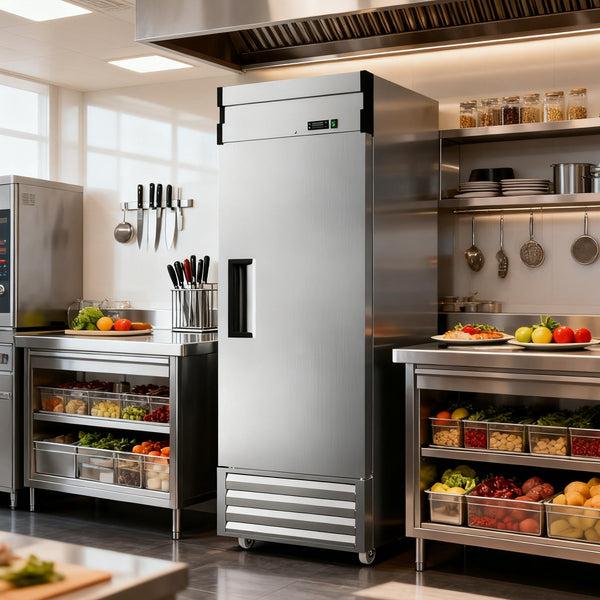
Refrigerator for Restaurant Kitchen: How to Improve Food Freshness and Kitchen Efficiency

  • Product Guide
  • Industry Trends
Posted by snowsea On May 11 2026

refrigerator for restaurant kitchen

Refrigerator for Restaurant Kitchen: How to Improve Food Freshness and Kitchen Efficiency

In restaurant kitchens, proper refrigeration is essential for maintaining food quality and ensuring efficient operations.

A refrigerator for restaurant kitchen use is not just about keeping food cold—it plays a key role in organizing ingredients, supporting kitchen workflow, and reducing food waste. Poor refrigeration can lead to spoilage, inefficiency, and inconsistent food quality.

Choosing the right refrigeration system helps restaurants maintain high standards and smooth operations.


Why Refrigerators Are Critical in Restaurant Kitchens

Restaurants handle a wide range of fresh ingredients daily.

Reliable refrigerators help:

  • Maintain consistent temperature for food safety
  • Preserve freshness of ingredients
  • Reduce spoilage and waste
  • Support efficient kitchen workflow

Proper refrigeration is essential for quality control.


Types of Refrigerators for Restaurant Kitchens

Different kitchen areas require different refrigeration solutions.

Common options include:

  • Reach-in refrigerators for daily ingredient storage
  • Under-counter refrigerators for prep stations
  • Walk-in refrigerators for bulk storage
  • Prep table refrigerators for food preparation areas

Each type supports a specific function in the kitchen.


Refrigerator Performance Comparison

Refrigerator Type Capacity Accessibility Best Use Case Workflow Impact
Reach-In Refrigerator Medium High Daily storage High
Under-Counter Refrigerator Low Very High Prep stations Very High
Walk-In Refrigerator Very High Medium Bulk storage High
Prep Table Refrigerator Medium High Food prep Very High

A combination of these improves efficiency and organization.


How Refrigerators Improve Kitchen Workflow

A well-designed refrigeration system helps:

  • Organize ingredients by category
  • Reduce preparation time
  • Improve staff efficiency
  • Maintain consistent food quality

Efficient storage leads to faster service.


Real Applications in Restaurant Kitchens

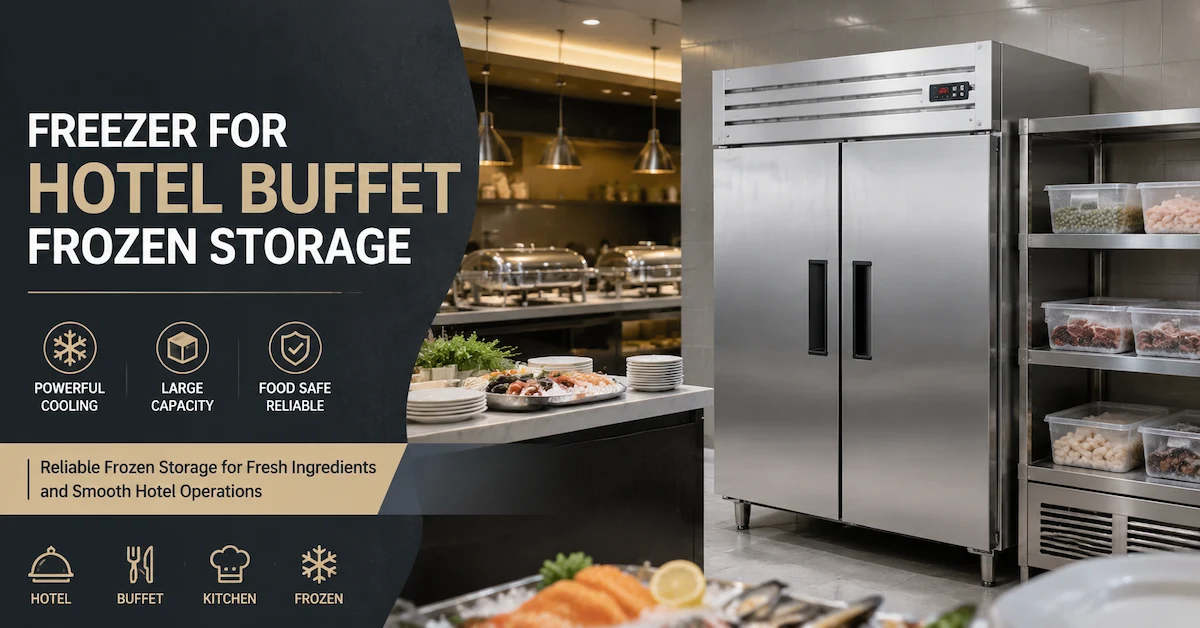
Different restaurants require different refrigeration setups.

Small restaurants rely on compact units. Large kitchens use walk-in systems.

Chain restaurants standardize equipment across locations. Catering services require flexible storage solutions.

Each scenario requires a tailored approach.


How to Choose the Right Refrigerator for Restaurant Kitchen Use

Selecting the right refrigerator requires balancing performance and practicality.

Key factors include:

  • Storage capacity
  • Temperature stability
  • Ease of cleaning
  • Energy efficiency
  • Supplier reliability

A reliable supplier ensures long-term performance.


Frequently Asked Questions

What is the best refrigerator setup for restaurants?
A combination of reach-in and under-counter units is most effective.

How do refrigerators improve food safety?
By maintaining stable temperatures and proper storage conditions.

What is the typical supply lead time?
Usually 20–45 days depending on order size.


Improve Restaurant Operations with the Right Refrigeration System

Choosing the right refrigerator for restaurant kitchen use allows businesses to maintain food quality, improve efficiency, and reduce waste.

At Snowseax, we provide professional refrigeration solutions for restaurant kitchens.

Explore our product range here:
👉 https://www.snowseax.com/

Or contact us to plan your kitchen system:
👉 https://www.snowseax.com/contact-us
Featured Blogs
Freezer Heat Dissipation System: Why Efficient Heat Management Improves Refrigeration Performance

Freezer Heat Dissipation System: Why Efficient Heat Management Improves Refrigeration Performance

Cooling performance depends not only on how effectively a freezer generates cold air but also on how efficiently it removes heat. A well-designed freezer heat dissipation system helps maintain stable temperatures, reduce compressor workload, improve energy efficiency, and extend equipment lifespan. This article explores the engineering principles behind heat dissipation systems and their impact on commercial refrigeration performance.

Commercial Refrigeration Cabinet Design: How Smart Engineering Improves Cooling Performance and Product Storage

Commercial Refrigeration Cabinet Design: How Smart Engineering Improves Cooling Performance and Product Storage

Commercial refrigeration cabinets do more than store products. Their design directly affects temperature stability, energy efficiency, storage capacity, maintenance requirements, and long-term operating costs. This article explores how modern commercial refrigeration cabinet design helps businesses improve refrigeration performance while supporting efficient food storage and display operations.

Industrial Freezer Build Quality: Why Construction Standards Matter for Long-Term Refrigeration Performance

Industrial Freezer Build Quality: Why Construction Standards Matter for Long-Term Refrigeration Performance

Industrial freezers are expected to operate continuously in demanding environments where reliability, durability, and temperature stability are essential. Poor construction quality can lead to increased maintenance, higher operating costs, and shorter equipment lifespan. This article explores how industrial freezer build quality affects refrigeration performance and what buyers should evaluate before investing in commercial cold storage equipment.

Freezer Structural Design for Durability: How Strong Construction Improves Long-Term Refrigeration Performance

Freezer Structural Design for Durability: How Strong Construction Improves Long-Term Refrigeration Performance

Commercial freezers operate under constant stress from heavy product loads, frequent door openings, temperature fluctuations, and continuous daily operation. A well-engineered freezer structural design for durability helps extend equipment lifespan, reduce maintenance costs, and ensure reliable refrigeration performance. This article explores the structural features that contribute to long-lasting commercial refrigeration systems.

Durable Refrigeration Equipment Design: How Long-Term Reliability Reduces Operating Costs

Durable Refrigeration Equipment Design: How Long-Term Reliability Reduces Operating Costs

Commercial refrigeration equipment is expected to operate continuously under demanding conditions. Frequent door openings, temperature fluctuations, heavy product loads, and constant daily use can place significant stress on refrigeration systems. This article explores how durable refrigeration equipment design improves reliability, reduces maintenance costs, and supports long-term refrigeration performance across commercial applications.

Heavy Duty Commercial Freezer: Built for High-Demand Refrigeration Applications

Heavy Duty Commercial Freezer: Built for High-Demand Refrigeration Applications

Commercial refrigeration equipment must withstand constant operation, frequent door openings, and demanding storage requirements. A heavy duty commercial freezer is designed to deliver reliable cooling performance, long-term durability, and efficient operation in supermarkets, restaurants, food processing facilities, and cold storage environments. This article explores the key features that make heavy-duty freezers essential for professional refrigeration.