Commercial freezers operate under challenging conditions. Constant exposure to humidity, water vapor, cleaning chemicals, and temperature changes can gradually weaken equipment components and reduce operational efficiency.
Corrosion is one of the most common causes of long-term refrigeration equipment deterioration. Rust, surface damage, and material degradation can increase maintenance costs and shorten equipment lifespan.
A properly engineered corrosion resistant freezer design helps address these challenges by using durable materials and protective construction methods that maintain performance in demanding commercial environments.
For supermarkets, restaurants, hotels, and cold storage operators, durability is just as important as cooling performance.
Common Problems Caused by Corrosion
Many refrigeration systems experience performance issues because of material degradation.
Common challenges include:
- Surface rust formation
- Structural deterioration
- Higher maintenance costs
- Reduced cabinet lifespan
- Hygiene concerns
- Increased repair frequency
These issues become more severe in high-moisture environments where refrigeration systems operate continuously.
A modern corrosion resistant freezer design helps minimize these risks while improving long-term reliability.
How Corrosion Resistant Freezer Technology Works
Manufacturers use multiple engineering strategies to improve freezer durability.
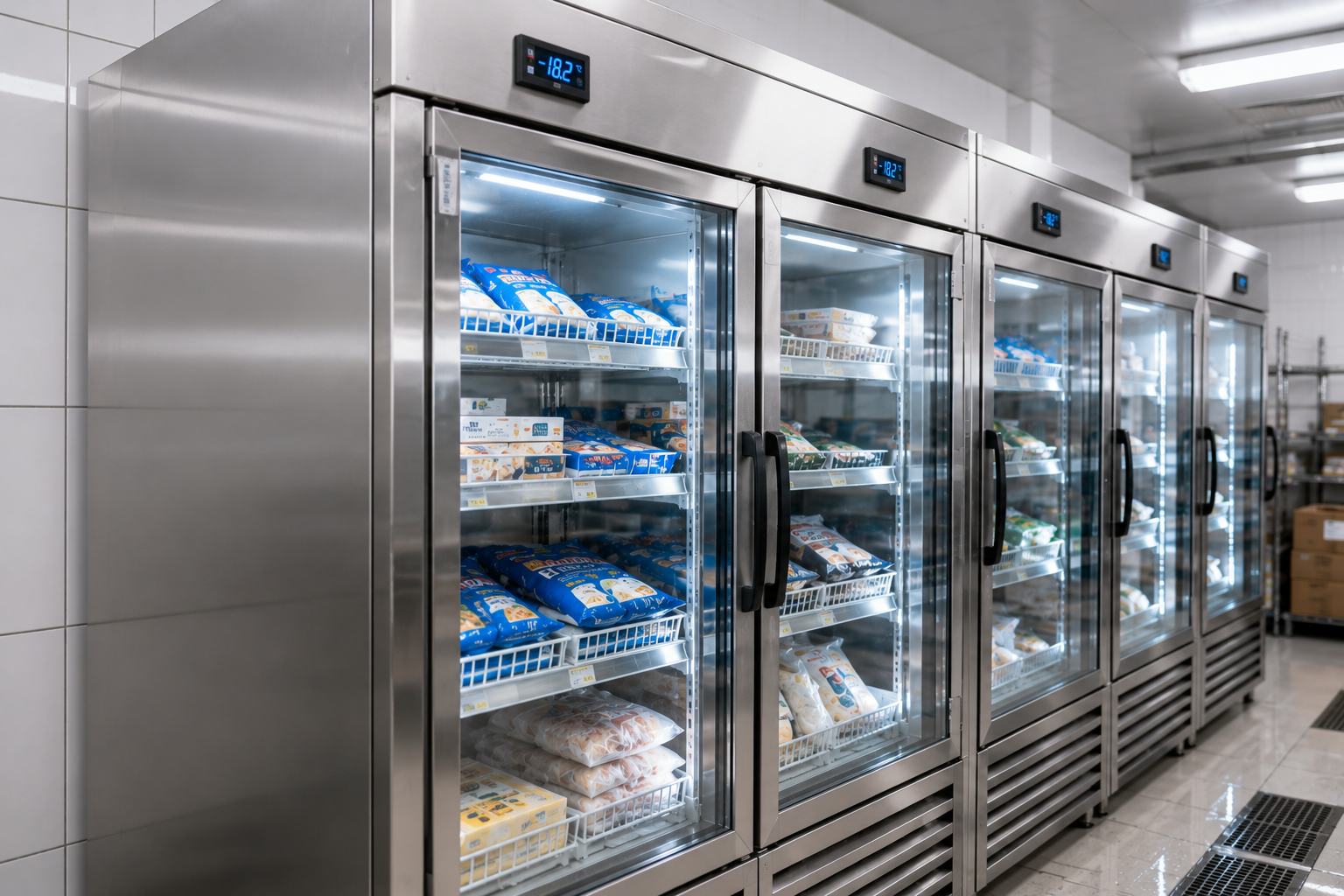
Stainless Steel Construction
High-grade stainless steel provides excellent resistance to moisture and corrosion.
Protective Surface Coatings
Advanced coatings help shield metal components from environmental exposure.
Moisture Control Design
Improved airflow and drainage systems reduce water accumulation.
Reinforced Structural Components
Critical areas are designed to withstand long-term exposure to humidity and cleaning chemicals.
Because of these features, a corrosion resistant freezer design can maintain performance and appearance for many years.
Standard Freezer vs Corrosion Resistant Freezer
| Feature | Standard Freezer | Corrosion Resistant Freezer Design |
|---|---|---|
| Moisture Resistance | Moderate | Excellent |
| Corrosion Protection | Standard | Enhanced |
| Maintenance Requirements | Higher | Lower |
| Equipment Lifespan | Average | Extended |
| Hygiene Performance | Standard | Improved |
| Long-Term Reliability | Moderate | High |
The benefits become increasingly valuable in commercial applications with heavy daily use.
Solving Real Refrigeration Challenges
Humid Operating Environments
Moisture exposure accelerates material degradation.
Frequent Cleaning Requirements
Food service businesses require regular sanitation procedures that can affect equipment surfaces.
Long-Term Equipment Costs
Corrosion-related repairs can significantly increase maintenance expenses.
Food Safety Considerations
Damaged surfaces can become harder to clean and maintain.
A well-designed corrosion resistant freezer design helps solve these problems while supporting reliable refrigeration performance.
Key Advantages of Corrosion Resistant Freezers
Longer Equipment Lifespan
Durable materials resist deterioration and maintain performance.
Lower Maintenance Costs
Reduced corrosion means fewer repairs and replacements.
Better Hygiene Standards
Smooth, corrosion-resistant surfaces are easier to clean and sanitize.
Improved Appearance
The cabinet maintains a professional appearance even after years of operation.
Reliable Refrigeration Performance
Structural integrity helps support consistent cooling efficiency.
For many operators, a corrosion resistant freezer design delivers long-term value beyond refrigeration performance alone.
Common Commercial Applications
Corrosion-resistant freezers are widely used in:
- Supermarkets
- Restaurants
- Hotels
- Seafood processing facilities
- Cold storage warehouses
- Food distribution centers
- Convenience stores
Businesses evaluating refrigeration suppliers should also consider manufacturing experience and product quality standards. Learn more about our refrigeration expertise:
https://www.snowseax.com/about-us
How to Choose the Right Corrosion Resistant Freezer
Evaluate Material Quality
Look for high-grade stainless steel and corrosion-resistant components.
Review Environmental Conditions
High-humidity environments require stronger protection.
Consider Cleaning Procedures
Frequent sanitation can influence material requirements.
Assess Long-Term Costs
Lower maintenance expenses often justify higher initial investment.
Match Application Requirements
Different industries may require different durability standards.
Our commercial refrigeration solutions include products designed for demanding retail, food service, and cold storage environments:
Choosing the right corrosion resistant freezer design helps maximize durability while minimizing long-term operating costs.
FAQ
Businesses comparing commercial refrigeration systems often have questions about durability and maintenance. Additional technical information can be found in our FAQ center:
Q1: Why is corrosion resistance important in commercial freezers?
Corrosion resistance helps protect equipment from moisture damage and extends service life.
Q2: Is stainless steel the best material for corrosion resistance?
Stainless steel is one of the most widely used materials because of its durability and hygiene benefits.
Q3: Can corrosion-resistant freezers reduce maintenance costs?
Yes. Better material protection often leads to fewer repairs and longer equipment lifespan.
Q4: Are corrosion-resistant freezers suitable for seafood storage?
Absolutely. They are commonly used in humid environments such as seafood processing and cold storage facilities.
Improving Long-Term Refrigeration Reliability
A modern corrosion resistant freezer design combines durability, hygiene, and reliable refrigeration performance. By investing in corrosion-resistant materials and engineering, businesses can reduce maintenance costs while maintaining dependable cold storage operations.
If you are planning a supermarket, restaurant, hotel, seafood storage, or cold chain project, our refrigeration specialists can help identify the most suitable solution for your application: