Commercial refrigeration systems run continuously, often twenty-four hours a day. While compressors, evaporators, and control systems are critical components, insulation is what determines how effectively the freezer can maintain low temperatures without excessive energy consumption.
When insulation performance is inadequate, heat enters the cabinet more easily. This forces the refrigeration system to operate longer and more frequently, increasing operating costs and reducing efficiency.
A modern high density foam insulation freezer helps minimize thermal transfer, stabilize internal temperatures, and improve overall refrigeration performance. For supermarkets, convenience stores, restaurants, and frozen food distributors, insulation quality can directly affect profitability.
Common Challenges Caused by Poor Freezer Insulation
Many commercial operators unknowingly lose energy because of insufficient insulation performance.
Common problems include:
- Increased electricity consumption
- Temperature fluctuations
- Frequent compressor cycling
- Frost accumulation
- Reduced food preservation performance
- Higher maintenance costs
These issues become even more significant in busy retail environments where freezer doors are opened repeatedly throughout the day.
A properly engineered high density foam insulation freezer creates a stronger thermal barrier between the refrigerated interior and surrounding environment, helping reduce these operational challenges.
How High Density Foam Insulation Works
Modern commercial refrigeration manufacturers use advanced foam insulation technology to improve thermal efficiency.
Dense Closed-Cell Structure
High-density foam contains millions of tiny closed cells that slow heat transfer.
Uniform Cabinet Coverage
The foam is injected throughout freezer walls, doors, and structural cavities to eliminate insulation gaps.
Reduced Thermal Leakage
Advanced manufacturing processes minimize cold bridges where heat can enter the cabinet.
Long-Term Stability
High-quality insulation maintains performance over many years of operation.
Because of these characteristics, a high density foam insulation freezer can achieve significantly better thermal retention than lower-density alternatives.
Comparing Standard Insulation and High-Density Foam
| Feature | Standard Insulation | High Density Foam Insulation Freezer |
|---|---|---|
| Thermal Efficiency | Moderate | Excellent |
| Energy Consumption | Higher | Lower |
| Temperature Stability | Average | Improved |
| Compressor Workload | High | Reduced |
| Frost Formation | More Frequent | Less Frequent |
| Long-Term Operating Cost | Higher | Lower |
The difference becomes increasingly important as electricity costs continue to rise.
Why Thermal Efficiency Directly Impacts Operating Costs
Many businesses focus on freezer purchase price while overlooking long-term energy expenses.
Poor insulation allows heat infiltration, forcing compressors to run longer. Over time, this can result in significantly higher operating costs.
A well-designed high density foam insulation freezer helps reduce refrigeration workload by maintaining stable internal temperatures and minimizing heat transfer.
Businesses evaluating refrigeration suppliers should also consider the manufacturer's engineering capabilities and insulation technologies. You can learn more about our refrigeration manufacturing experience on our About Us page:
https://www.snowseax.com/about-us
Key Advantages of High Density Foam Insulated Freezers
Better Temperature Retention
Cold air remains inside the cabinet longer, reducing cooling losses.
Improved Energy Efficiency
Less heat transfer means lower compressor runtime and reduced electricity consumption.
Enhanced Product Protection
Stable temperatures help maintain frozen food quality and extend product shelf life.
Lower Maintenance Requirements
Reduced compressor workload can decrease wear on refrigeration components.
Stronger Structural Integrity
Dense foam insulation also contributes to cabinet strength and durability.
For many operators, a high density foam insulation freezer delivers measurable savings over the equipment lifecycle.
Common Commercial Applications
High-density insulated freezers are commonly used in:
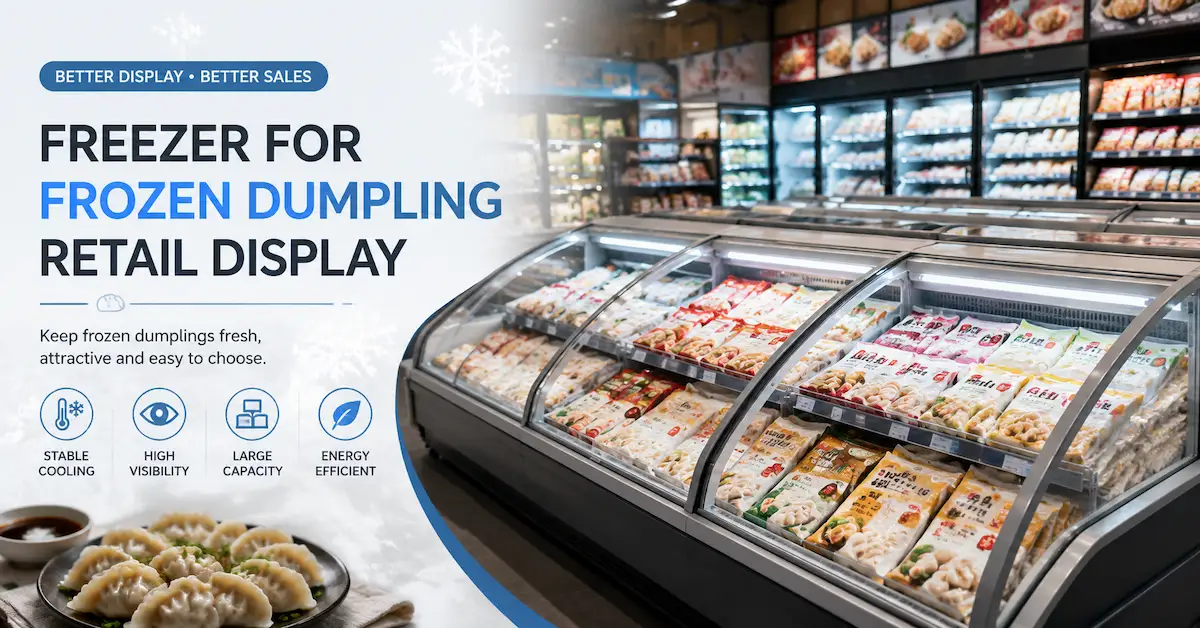
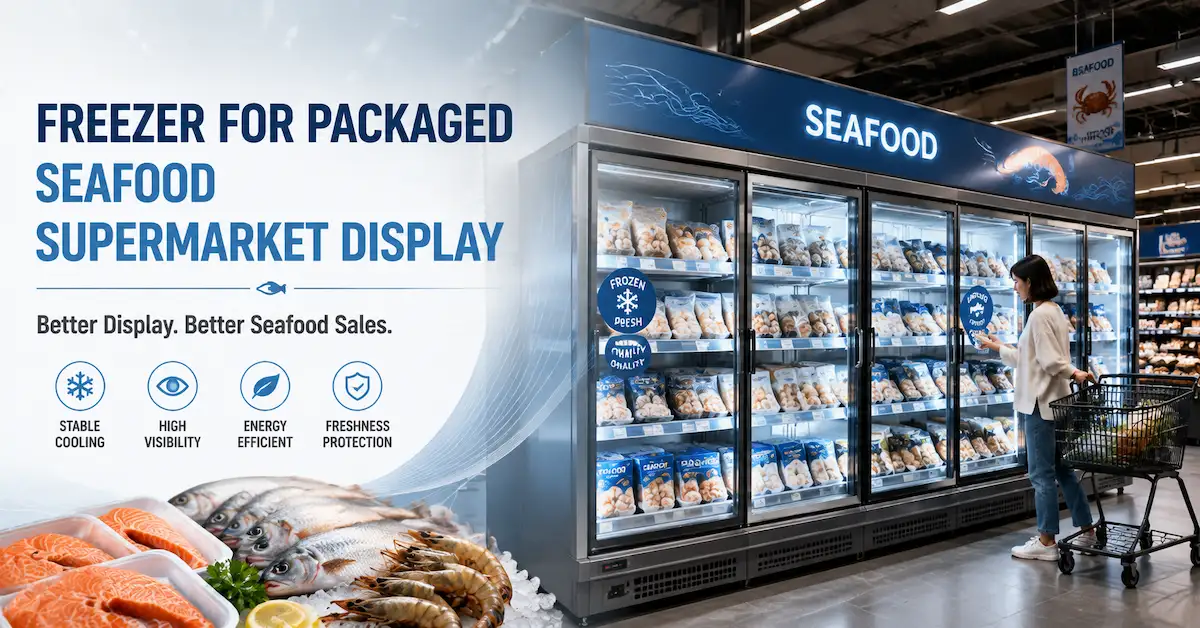
- Supermarkets
- Convenience stores
- Frozen food retailers
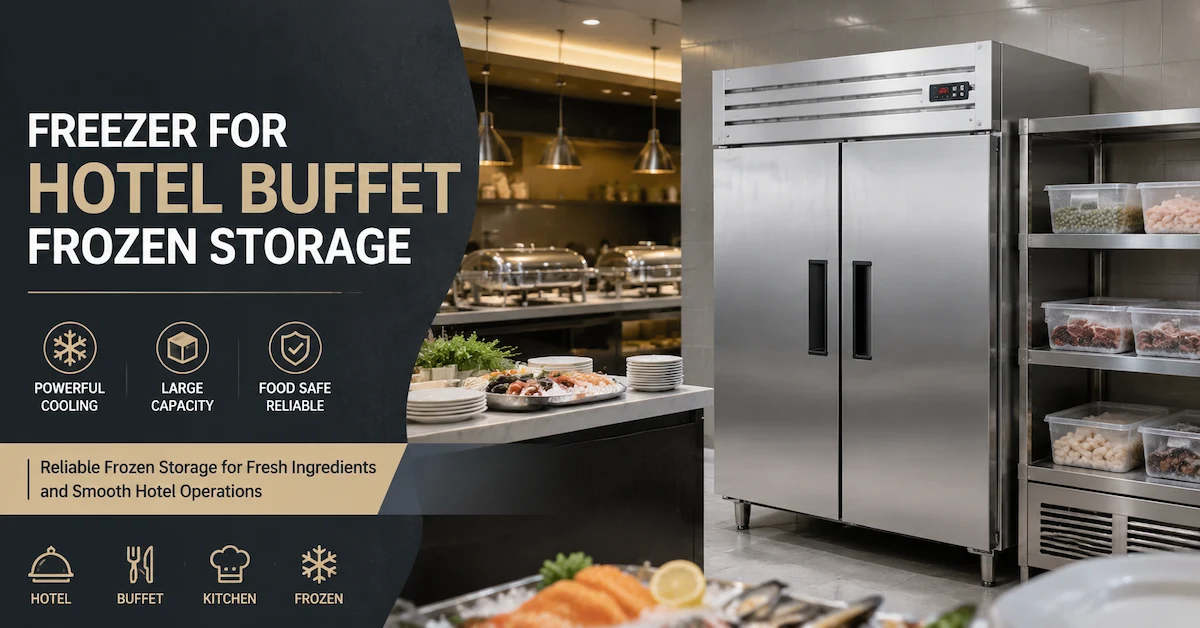
- Hotels
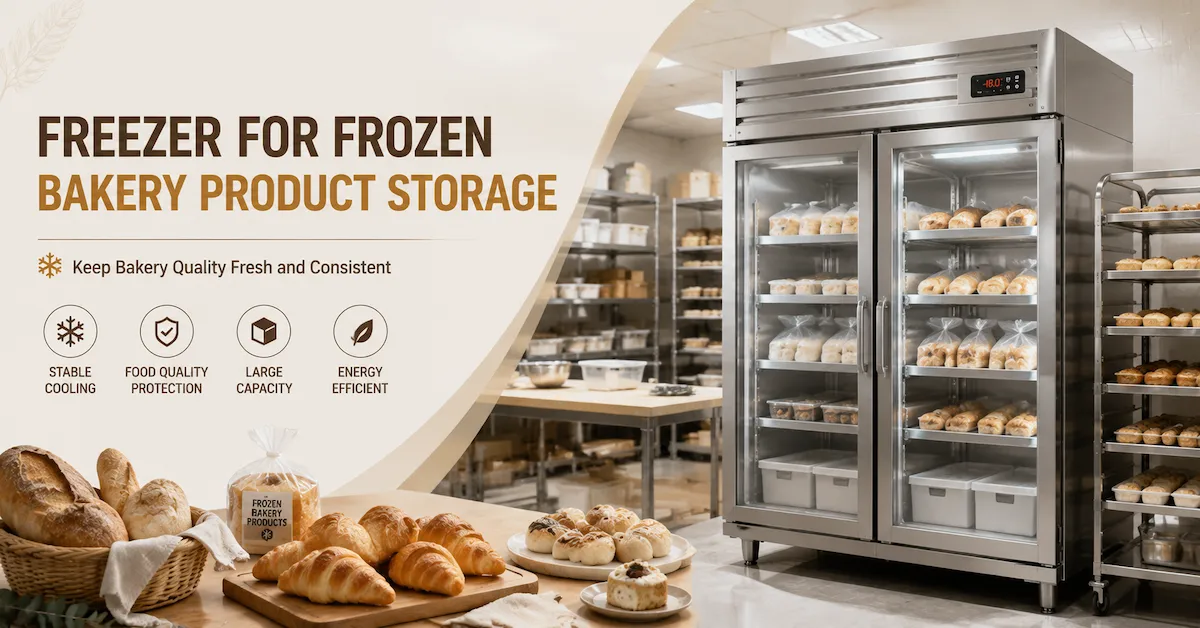
- Restaurants
- Cold storage warehouses
- Food distribution facilities
Different applications may require different cabinet sizes, insulation thicknesses, and cooling capacities.
Our commercial refrigeration product range includes solutions for a variety of food retail and cold storage environments:
How to Choose the Right High Density Foam Insulation Freezer
Evaluate Insulation Thickness
Higher insulation density and thickness generally improve thermal performance.
Review Energy Efficiency Ratings
Lower operating costs can often justify a higher initial investment.
Consider Storage Requirements
Different products require different temperature ranges and cabinet configurations.
Assess Refrigeration System Integration
Insulation and cooling systems should work together for maximum efficiency.
Match the Freezer to Your Environment
High-traffic locations benefit most from advanced insulation technologies.
Selecting the right high density foam insulation freezer helps improve refrigeration performance while reducing long-term operating expenses.
FAQ
Businesses researching commercial refrigeration often compare insulation materials, operating costs, and freezer efficiency. Additional technical information can be found in our FAQ center:
Q1: Why is high-density foam better for freezer insulation?
High-density foam provides excellent thermal resistance because its closed-cell structure minimizes heat transfer.
Q2: Does better insulation reduce electricity consumption?
Yes. Improved insulation reduces refrigeration workload and compressor runtime.
Q3: Is high-density foam insulation suitable for supermarkets?
Absolutely. It is widely used in commercial refrigeration because of its efficiency and durability.
Q4: Can insulation improve freezer lifespan?
Yes. Reduced compressor workload may help extend equipment service life and lower maintenance requirements.
Building More Efficient Commercial Refrigeration Systems
A modern high density foam insulation freezer helps businesses improve temperature stability, lower operating costs, and maintain reliable refrigeration performance. By investing in advanced insulation technology, operators can achieve stronger energy efficiency while protecting product quality.
If you are planning a supermarket, convenience store, restaurant, or cold storage project, our refrigeration specialists can help identify the most suitable solution for your requirements: