Commercial refrigeration equipment faces constant exposure to moisture, temperature changes, cleaning chemicals, and daily operational wear. In restaurants, supermarkets, hotels, and food processing facilities, refrigeration systems must perform reliably while meeting strict hygiene requirements.
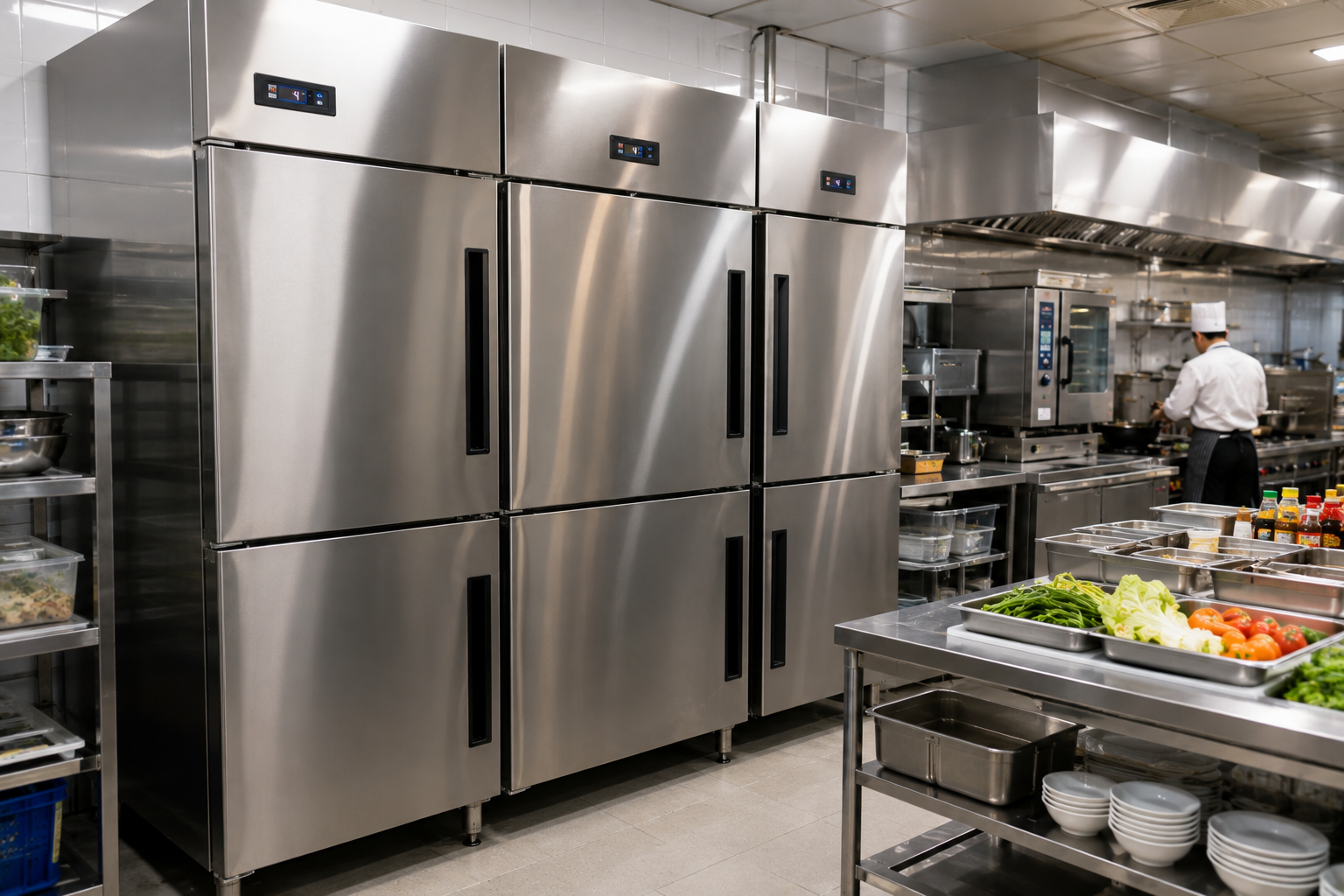
Traditional cabinet materials can suffer from corrosion, staining, and surface damage over time. A stainless steel commercial refrigerator is designed to overcome these challenges by providing a durable, hygienic, and easy-to-maintain refrigeration solution.
For businesses that rely on long-term refrigeration performance, material selection can be just as important as cooling technology.
Common Problems with Standard Refrigerator Construction
Many refrigeration units experience operational challenges due to cabinet material limitations.
Common issues include:
- Surface corrosion
- Difficult cleaning procedures
- Cabinet deterioration
- Reduced durability
- Hygiene concerns
- Higher maintenance costs
These problems can become costly in busy food service environments.
A modern stainless steel commercial refrigerator helps eliminate many of these issues while supporting long-term refrigeration reliability.
Why Stainless Steel Is Widely Used in Commercial Refrigeration
Stainless steel remains one of the most popular materials for professional refrigeration equipment.
Corrosion Resistance
Stainless steel resists rust and moisture-related damage.
Hygienic Surface
Smooth surfaces are easier to clean and sanitize.
Structural Strength
Heavy-duty construction supports long-term commercial use.
Professional Appearance
Stainless steel provides a clean and modern appearance suitable for commercial kitchens and retail environments.
Because of these advantages, a stainless steel commercial refrigerator is often preferred in demanding refrigeration applications.
Stainless Steel vs Standard Cabinet Materials
| Feature | Standard Cabinet Material | Stainless Steel Commercial Refrigerator |
|---|---|---|
| Corrosion Resistance | Moderate | Excellent |
| Cleaning Efficiency | Standard | Superior |
| Durability | Average | High |
| Hygiene Performance | Standard | Improved |
| Maintenance Requirements | Higher | Lower |
| Service Life | Average | Extended |
The benefits become increasingly noticeable in environments with heavy daily usage.
Solving Real Refrigeration Challenges
High Cleaning Requirements
Food service operations require frequent sanitation and maintenance.
Moisture Exposure
Humidity and condensation can damage less durable materials.
Equipment Longevity Concerns
Heavy usage places significant stress on refrigeration cabinets.
Hygiene Compliance
Food safety regulations often require easy-to-clean surfaces.
A properly engineered stainless steel commercial refrigerator helps address these challenges while maintaining reliable cooling performance.
Key Advantages of Stainless Steel Refrigeration
Enhanced Durability
Stainless steel withstands demanding commercial environments.
Better Hygiene
Smooth surfaces simplify cleaning and sanitation procedures.
Reduced Maintenance
Corrosion resistance helps lower long-term maintenance costs.
Professional Appearance
The cabinet maintains its appearance even after years of use.
Long-Term Value
Extended service life can improve overall return on investment.
For many businesses, a stainless steel commercial refrigerator offers significant advantages beyond refrigeration performance alone.
Common Commercial Applications
A stainless steel commercial refrigerator is commonly used in:
- Restaurants
- Hotels
- Supermarkets
- Convenience stores
- Bakeries
- Food processing facilities
- Commercial kitchens
Businesses evaluating refrigeration suppliers should also consider manufacturing experience and product quality standards. Learn more about our company here:
https://www.snowseax.com/about-us
How to Choose the Right Commercial Refrigerator
Evaluate Storage Capacity
Select a cabinet size based on product volume and operational requirements.
Consider Cleaning Requirements
High-hygiene environments benefit from stainless steel construction.
Review Energy Efficiency
Lower operating costs contribute to long-term savings.
Assess Refrigeration Performance
Temperature stability remains essential for food safety.
Match Application Requirements
Different industries may require different refrigeration configurations.
Our commercial refrigeration product range includes solutions for supermarkets, restaurants, convenience stores, and cold storage applications:
Choosing the right stainless steel commercial refrigerator helps improve operational efficiency while supporting food safety and product quality.
FAQ
Businesses comparing refrigeration equipment often have questions about materials, durability, and maintenance. Additional technical information can be found in our FAQ center:
Q1: Why is stainless steel commonly used in commercial refrigerators?
Stainless steel offers excellent corrosion resistance, durability, and hygiene performance.
Q2: Is stainless steel easier to clean?
Yes. Smooth surfaces make cleaning and sanitization more efficient.
Q3: Are stainless steel refrigerators suitable for commercial kitchens?
Absolutely. They are widely used in restaurants, hotels, and food preparation facilities.
Q4: Does stainless steel improve refrigerator lifespan?
Its durability and corrosion resistance can contribute to longer equipment service life.
Supporting Long-Term Refrigeration Reliability
A modern stainless steel commercial refrigerator combines durability, hygiene, and reliable refrigeration performance into a single solution. For businesses seeking long-term value and dependable operation, stainless steel construction remains one of the best choices available.
If you are planning a restaurant, supermarket, hotel, or food storage project, our refrigeration specialists can help identify the most suitable solution for your application: