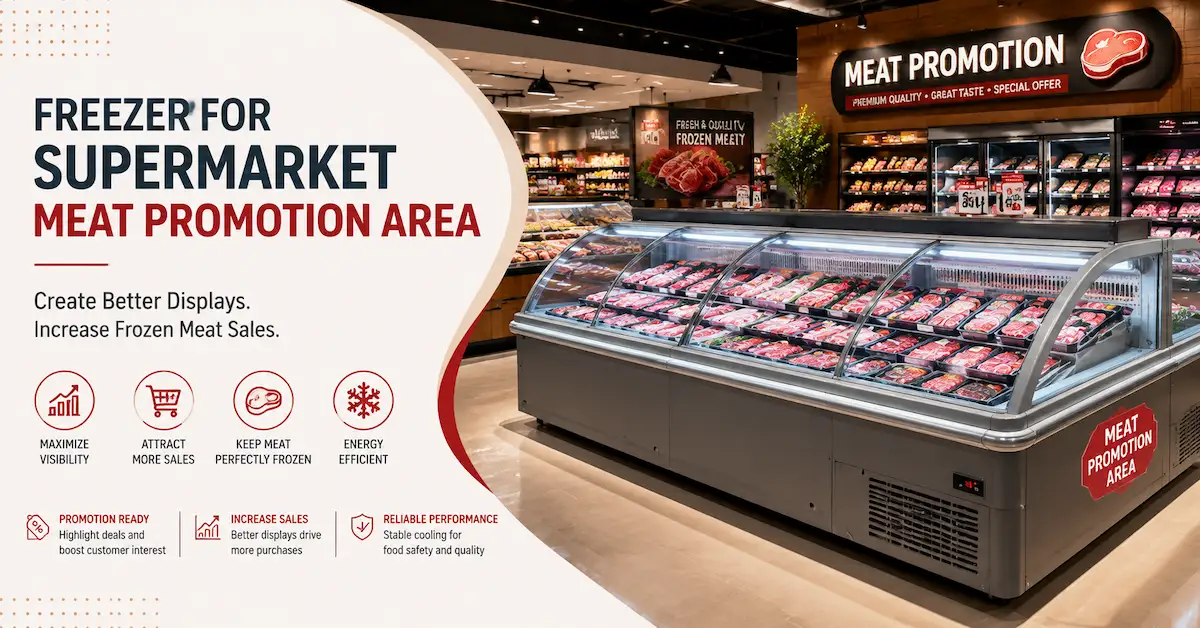
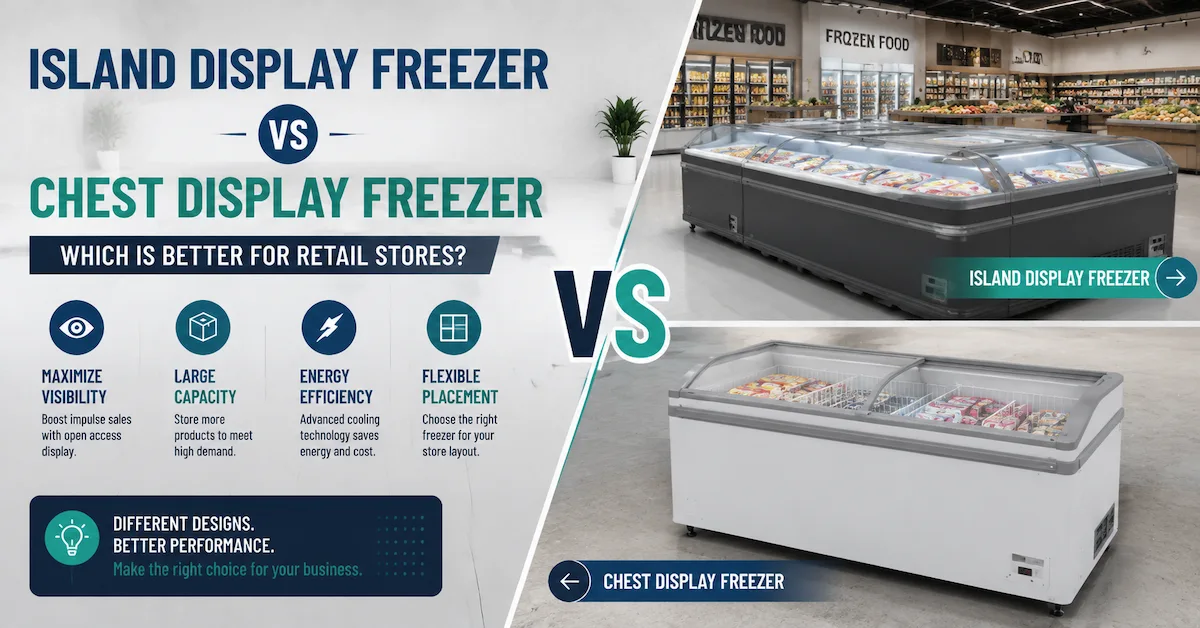
Commercial freezers operate continuously and are expected to maintain stable temperatures regardless of environmental conditions. However, even the most advanced refrigeration system can struggle if cabinet insulation is inadequate.
Heat entering the cabinet forces compressors to work harder, increasing energy consumption and reducing operational efficiency. A properly designed thick insulation freezer cabinet minimizes thermal transfer and helps maintain consistent internal temperatures.
For businesses managing frozen food storage, improving insulation is often one of the most effective ways to reduce long-term operating costs.
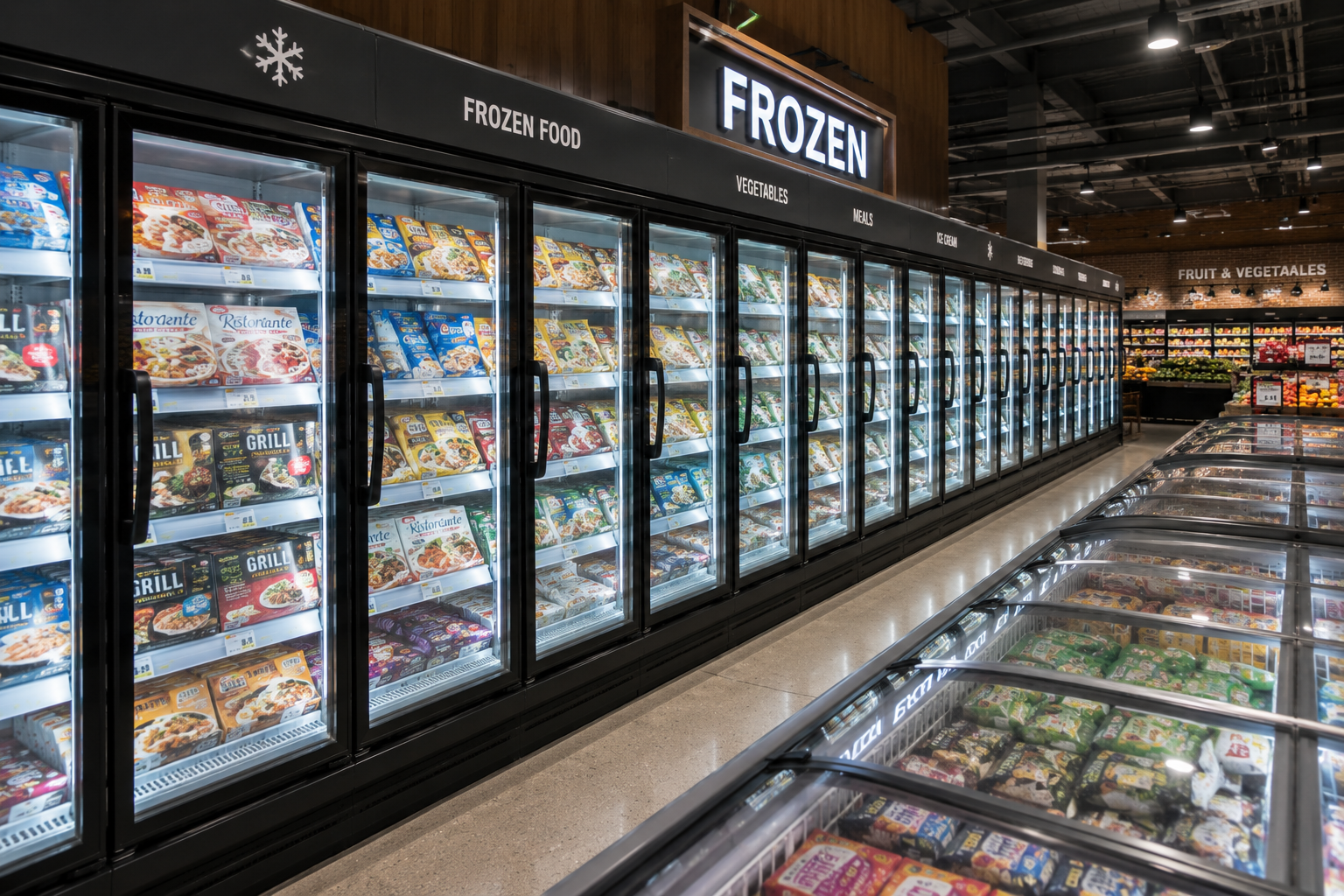
Common Challenges Caused by Insufficient Cabinet Insulation
Many refrigeration systems lose efficiency because of inadequate thermal protection.
Common issues include:
- Higher electricity costs
- Frequent compressor cycling
- Temperature instability
- Increased frost formation
- Reduced refrigeration efficiency
- Greater equipment wear
These problems become even more noticeable in supermarkets and convenience stores where freezer doors are opened frequently throughout the day.
A modern thick insulation freezer cabinet helps address these challenges by reducing heat infiltration and improving thermal retention.
How Thick Insulation Technology Works
Commercial refrigeration manufacturers use advanced insulation structures to improve freezer performance.
Increased Insulation Thickness
Thicker insulation creates a stronger barrier against external heat.
High-Density Foam Construction
Closed-cell foam materials improve thermal resistance and reduce energy loss.
Reduced Thermal Bridging
Advanced cabinet engineering minimizes heat leakage points.
Better Cold Air Retention
Internal temperatures remain more stable even during frequent door openings.
Because of these design features, a thick insulation freezer cabinet can deliver superior refrigeration efficiency compared to standard cabinet designs.
Standard Cabinet vs Thick Insulation Cabinet
| Feature | Standard Freezer Cabinet | Thick Insulation Freezer Cabinet |
|---|---|---|
| Thermal Retention | Moderate | Excellent |
| Energy Efficiency | Standard | Higher |
| Temperature Stability | Average | Improved |
| Compressor Workload | Higher | Lower |
| Frost Formation | More Frequent | Reduced |
| Long-Term Operating Cost | Higher | Lower |
These advantages become increasingly valuable as energy prices continue to rise.
Solving Real Commercial Refrigeration Problems
Rising Operating Costs
Poor insulation increases refrigeration demand and electricity consumption.
Product Quality Risks
Temperature fluctuations can affect frozen food quality and shelf life.
Excessive Compressor Wear
Longer operating cycles place additional stress on refrigeration systems.
Unstable Storage Conditions
Heat infiltration makes it harder to maintain consistent temperatures.
A properly engineered thick insulation freezer cabinet helps solve these challenges while improving overall refrigeration performance.
Key Advantages of Thick Insulation Freezer Cabinets
Improved Energy Savings
Reduced heat transfer lowers refrigeration workload.
Better Temperature Stability
Frozen products remain within target temperature ranges.
Enhanced Product Preservation
Consistent temperatures help protect food quality.
Lower Maintenance Costs
Reduced compressor activity can decrease equipment wear.
Longer Equipment Lifespan
Efficient refrigeration systems often experience less mechanical stress.
For many businesses, a thick insulation freezer cabinet provides measurable long-term savings while improving refrigeration reliability.
Ideal Applications for Thick Insulation Freezers
Common applications include:
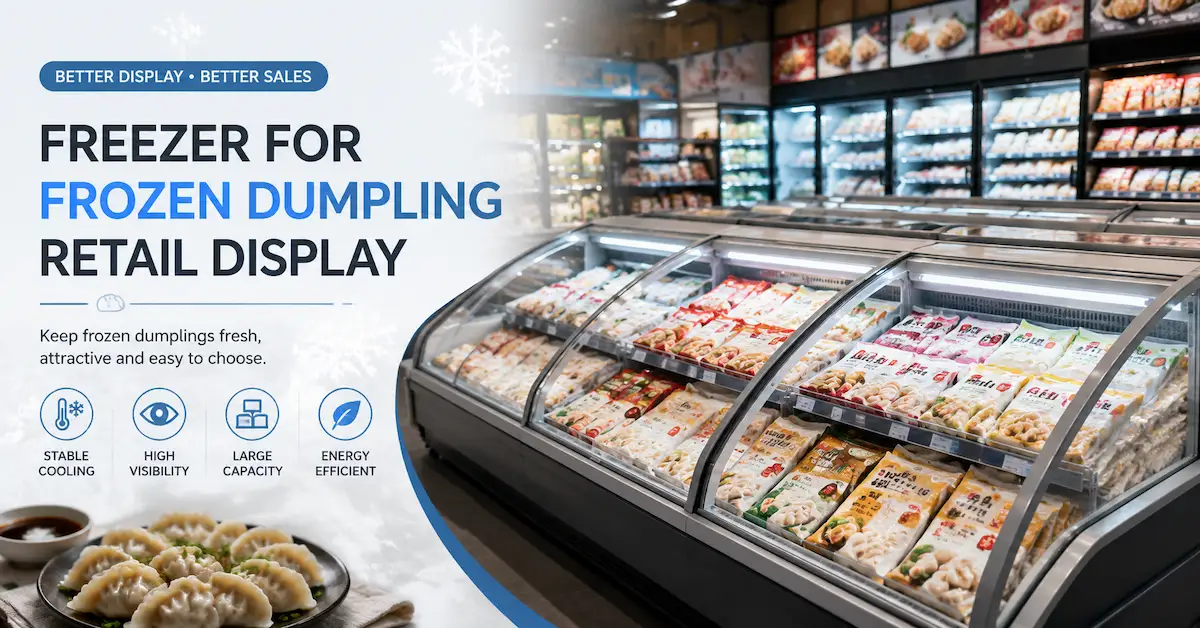
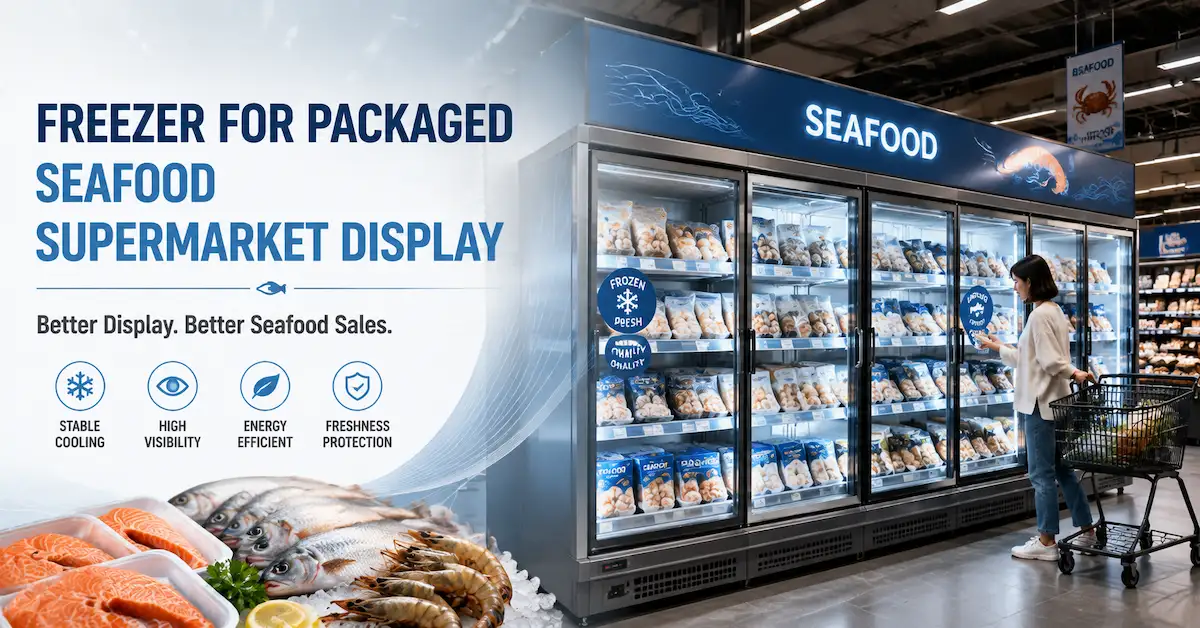
- Supermarkets
- Convenience stores
- Frozen food retailers
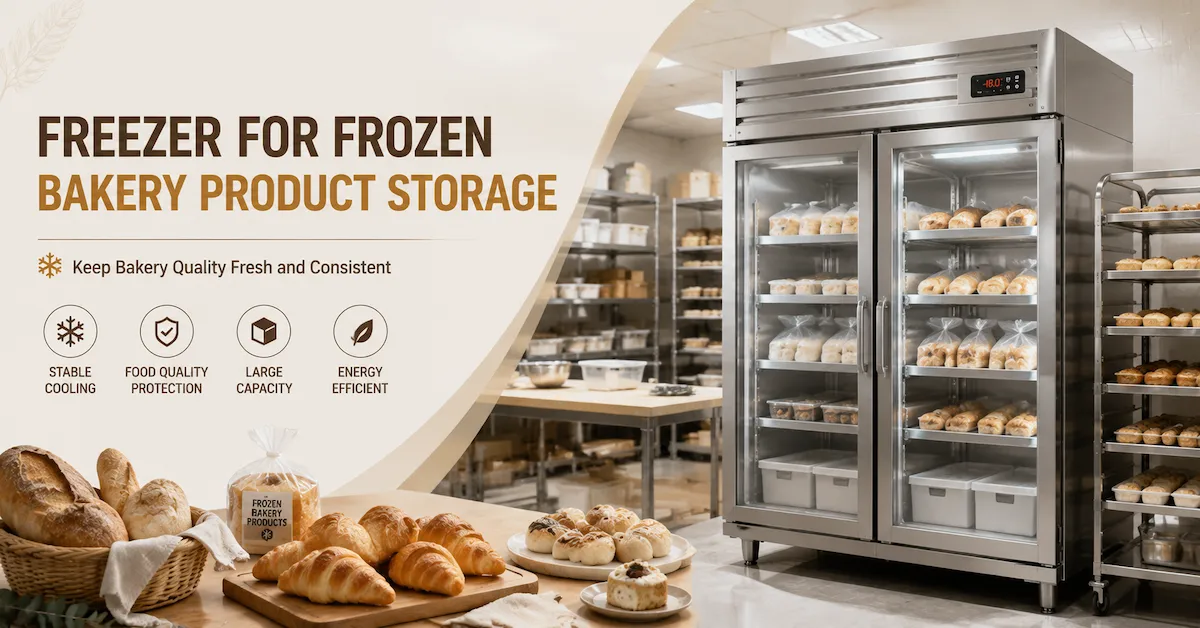
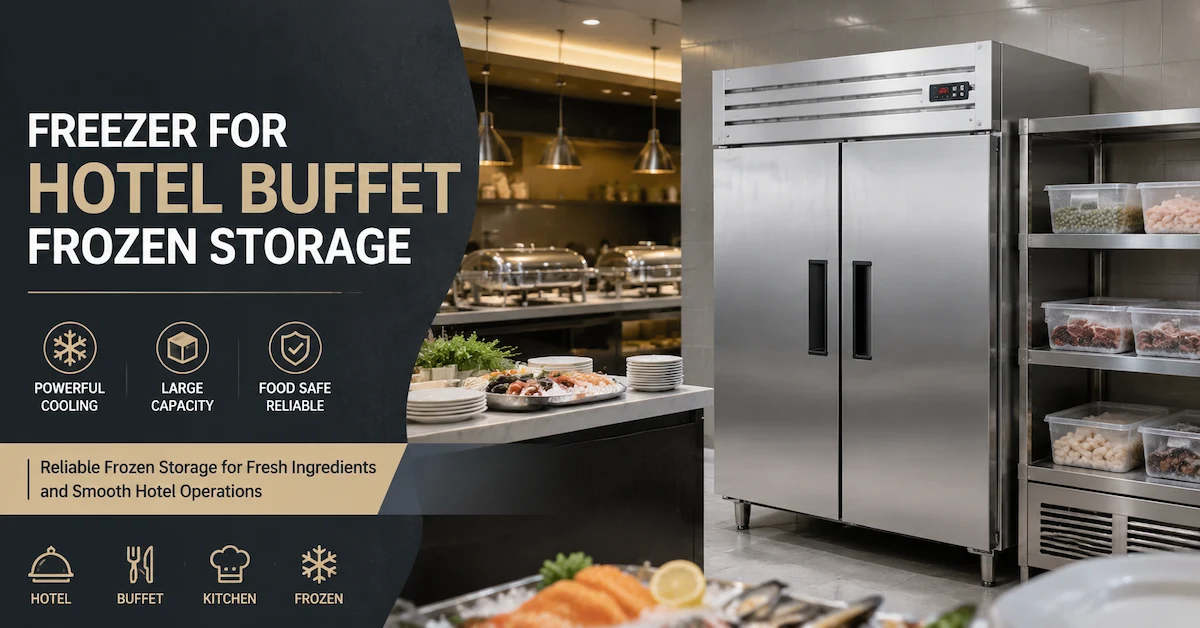
- Restaurants
- Hotels
- Cold storage facilities
- Food distribution centers
Different environments may require different insulation thicknesses depending on usage conditions and storage requirements.
You can learn more about our refrigeration manufacturing experience on our About Us page:
https://www.snowseax.com/about-us
How to Choose the Right Freezer Cabinet
Evaluate Insulation Thickness
Thicker insulation generally improves thermal performance.
Review Energy Efficiency Ratings
Lower operating costs often justify higher initial investment.
Assess Cabinet Construction
Uniform insulation coverage improves performance.
Match Product Storage Requirements
Different products may require different temperature ranges.
Consider Traffic Levels
High-use environments benefit most from enhanced insulation.
Our commercial refrigeration product range includes solutions designed for supermarkets, convenience stores, and professional cold storage applications:
Selecting the right thick insulation freezer cabinet helps maximize refrigeration efficiency while reducing long-term operating expenses.
FAQ
Businesses evaluating refrigeration equipment often compare insulation performance, energy consumption, and operating costs. Additional technical information can be found in our FAQ center:
Q1: Why is insulation thickness important in commercial freezers?
Thicker insulation reduces heat transfer and improves refrigeration efficiency.
Q2: Does better insulation lower electricity costs?
Yes. Improved thermal retention reduces compressor workload and energy consumption.
Q3: Are thick insulation cabinets suitable for supermarkets?
Absolutely. They are widely used in high-traffic commercial refrigeration environments.
Q4: Can thick insulation improve equipment lifespan?
Yes. Reduced operating stress may help extend refrigeration system service life.
Building a More Efficient Refrigeration Strategy
A modern thick insulation freezer cabinet helps businesses improve temperature stability, reduce energy consumption, and maintain reliable refrigeration performance. Investing in advanced insulation technology can lead to significant long-term savings while protecting product quality.
If you are planning a supermarket, convenience store, restaurant, or cold storage project, our refrigeration specialists can help identify the most suitable solution for your requirements: