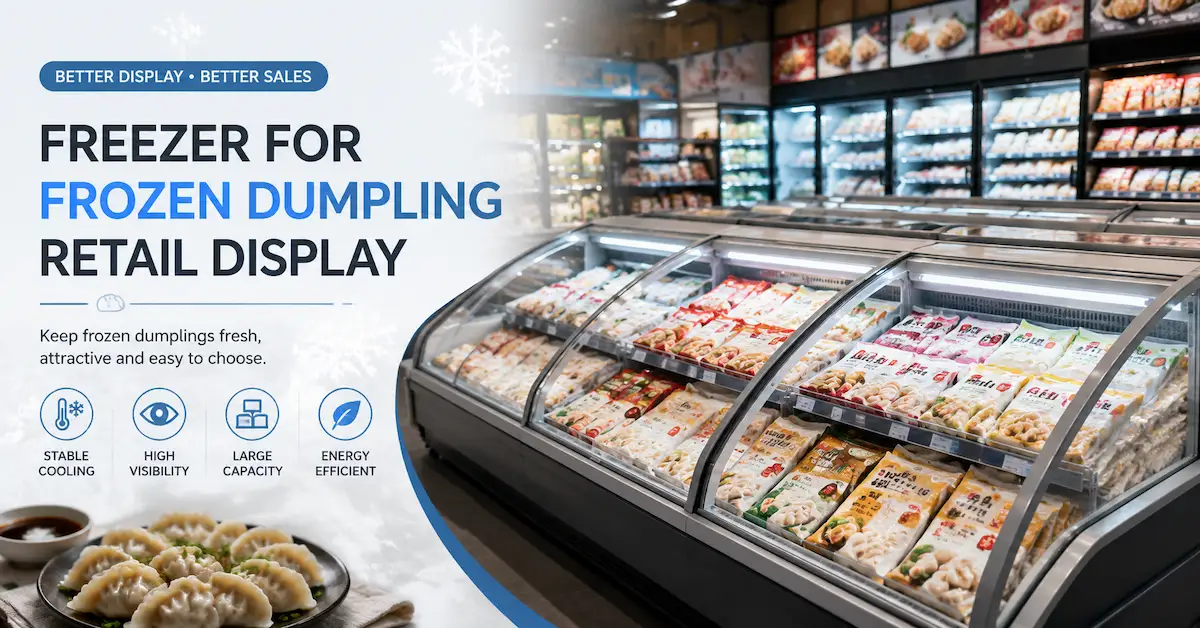
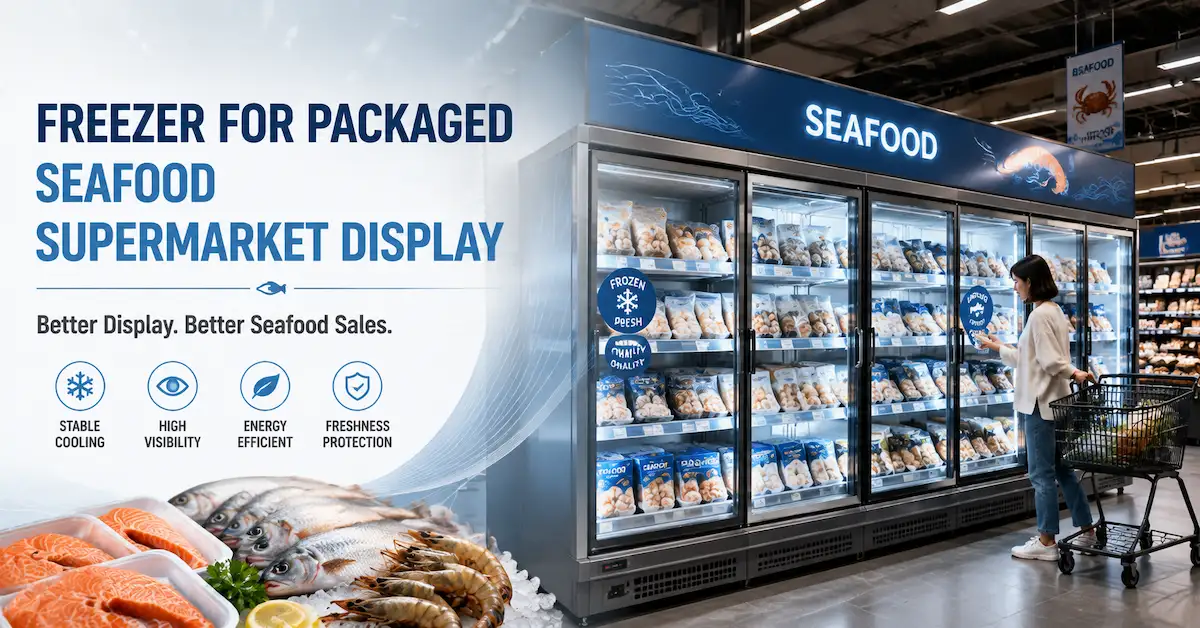
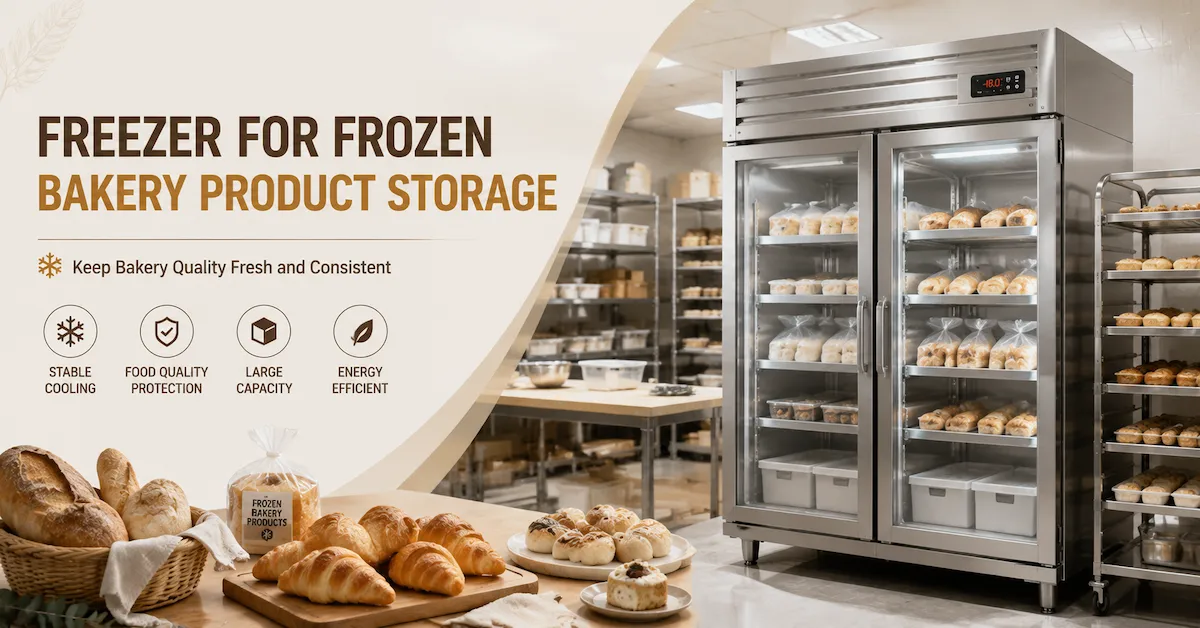
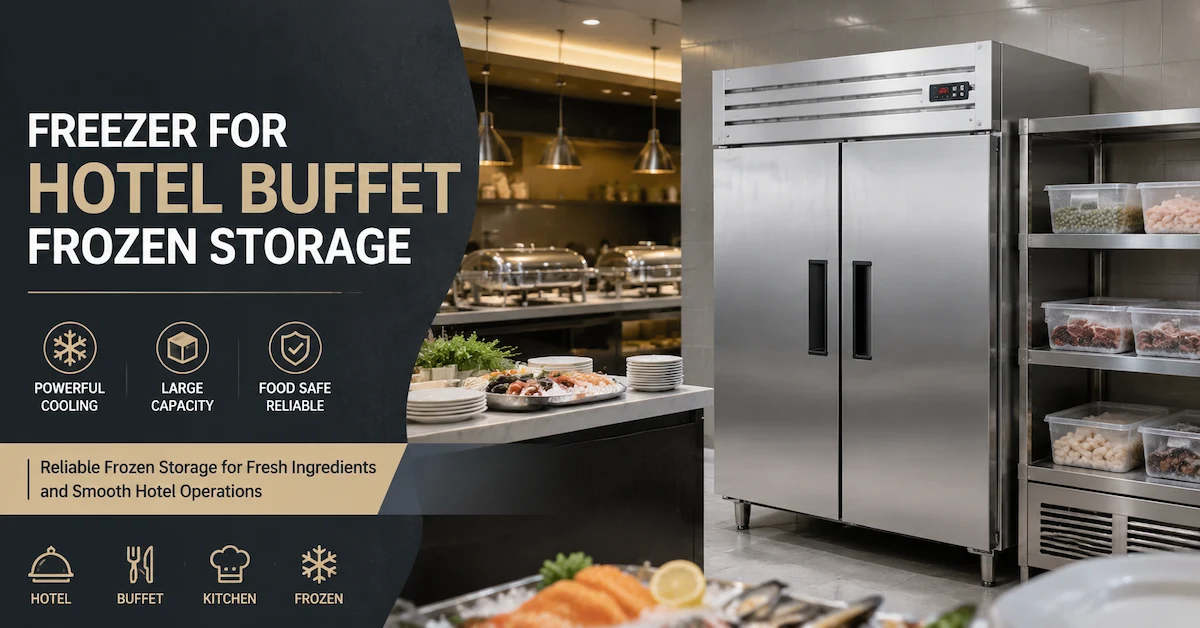
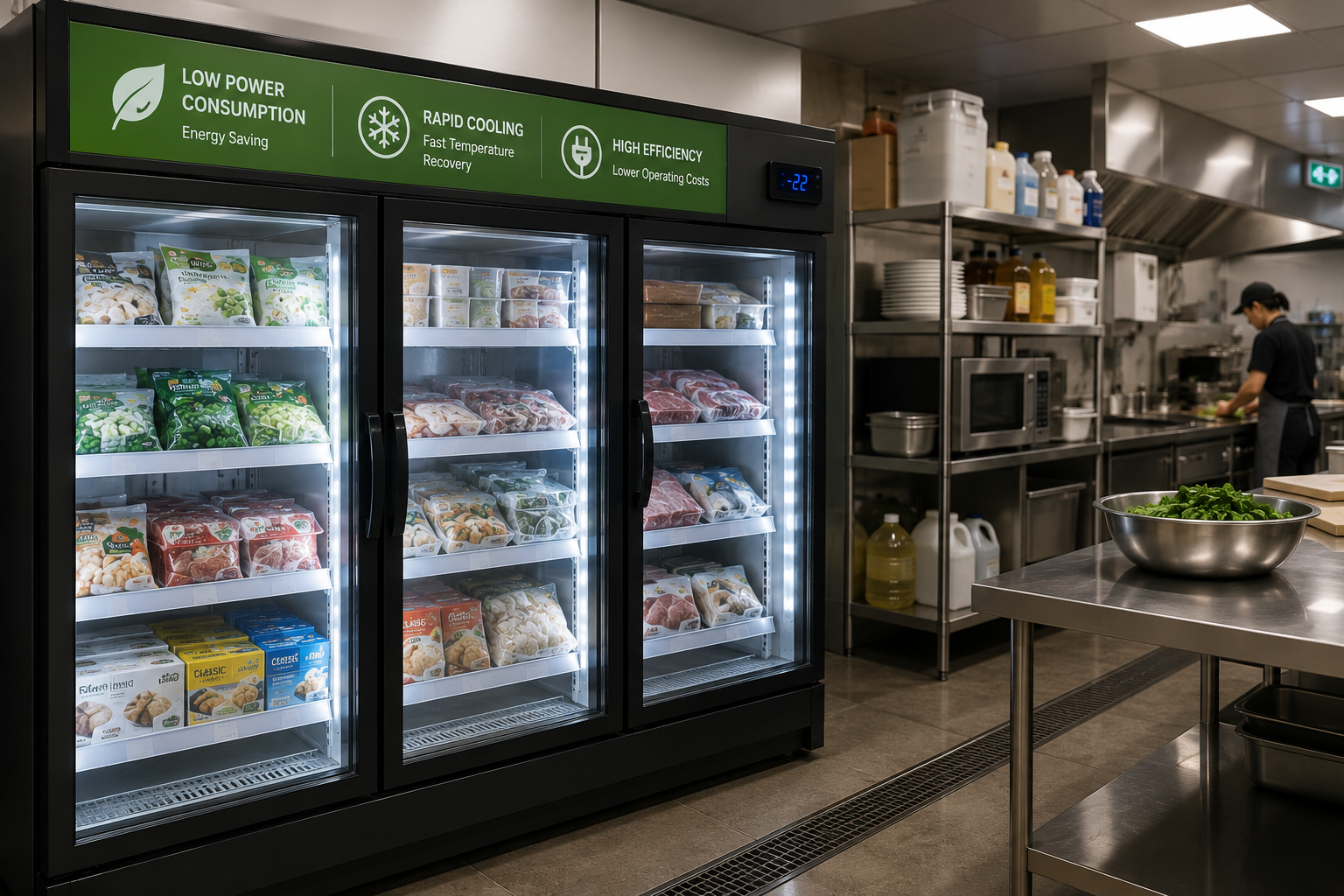
Commercial refrigeration systems often operate continuously throughout the day, making electricity consumption a major operating expense for supermarkets, restaurants, convenience stores, and cold chain businesses. A low power consumption freezer helps reduce long-term energy costs while maintaining reliable frozen storage performance.
Modern refrigeration technology now focuses not only on cooling capacity but also on reducing unnecessary energy waste through improved compressor systems, airflow optimization, and insulation efficiency.
Why Energy Consumption Matters in Commercial Refrigeration
High electricity usage can directly impact business profitability, especially for operations running multiple refrigeration units simultaneously.
Several factors increase freezer power consumption:
- Poor insulation performance
- Frequent temperature fluctuations
- Inefficient compressors
- Slow cooling recovery
- Excessive frost accumulation
Reducing these inefficiencies helps businesses lower operating costs while improving refrigeration stability.
Key Technologies Behind Low Power Consumption Freezers
Variable-Speed Compressors
Modern inverter compressors automatically adjust cooling output based on storage demand, reducing unnecessary power usage during low-load operation.
High-Density Insulation Panels
Improved insulation reduces heat transfer from the external environment, minimizing compressor workload.
Optimized Fan Cooling Systems
Efficient airflow circulation distributes cold air evenly, reducing cooling imbalance and shortening recovery time.
LED Refrigeration Lighting
LED systems generate less heat than traditional lighting, helping stabilize internal freezer temperatures.
Performance Comparison
| Feature | Standard Freezer | Low Power Consumption Freezer |
|---|---|---|
| Electricity Usage | Higher | Lower |
| Temperature Stability | Moderate | Stable |
| Cooling Recovery | Slower | Faster |
| Operating Cost | Higher | Reduced |
| Long-Term Efficiency | Standard | Improved |
Commercial Applications
A low power consumption freezer is widely used in:
- Supermarkets and convenience stores
- Frozen food retail chains
- Restaurants and commercial kitchens
- Cold chain logistics centers
- Food warehouses and distribution hubs
Common Usage Scenarios:
- Energy Efficient Commercial Freezer
- Fan Cooling Freezer System
- Freezer for Commercial Use
How Businesses Improve Freezer Efficiency
Businesses can further reduce refrigeration costs by:
- Avoiding unnecessary door openings
- Performing regular condenser maintenance
- Keeping proper ventilation around equipment
- Selecting the correct freezer capacity
- Preventing excessive frost buildup
These operational improvements help maximize the efficiency of low-energy refrigeration systems.
FAQ
Q1: Are low power freezers suitable for commercial businesses?
A1: Yes. They are specifically designed for continuous operation in retail, restaurant, and cold storage environments.
Q2: Do energy-saving freezers affect cooling performance?
A2: No. Modern systems maintain stable temperatures while reducing electricity consumption.
Q3: Is inverter compressor technology important?
A3: Yes. Variable-speed compressors significantly improve refrigeration efficiency and reduce unnecessary energy usage.
Reducing Refrigeration Costs for Long-Term Business Efficiency
A low power consumption freezer helps businesses reduce electricity expenses while maintaining stable cooling performance and reliable frozen storage conditions.
For supermarkets, restaurants, and cold chain operators, efficient refrigeration systems provide long-term operational and financial benefits.
Explore our commercial freezer solutions: https://www.snowseax.com/
Contact our team for customized refrigeration support: https://www.snowseax.com/contact-us