Eco Friendly Refrigeration System: How Sustainable Cooling Improves Commercial Efficiency

  • Product Guide
  • Industry Trends
  • Blog
Posted by snowsea On May 25 2026

Commercial refrigeration equipment operates continuously, making energy consumption and environmental impact major concerns for supermarkets, restaurants, cold chain warehouses, and food processing facilities. An eco friendly refrigeration system helps businesses reduce electricity usage, lower carbon emissions, and maintain stable cooling performance without sacrificing operational reliability.

Modern refrigeration technology now focuses on sustainability through efficient compressors, environmentally safer refrigerants, advanced insulation systems, and optimized airflow management.
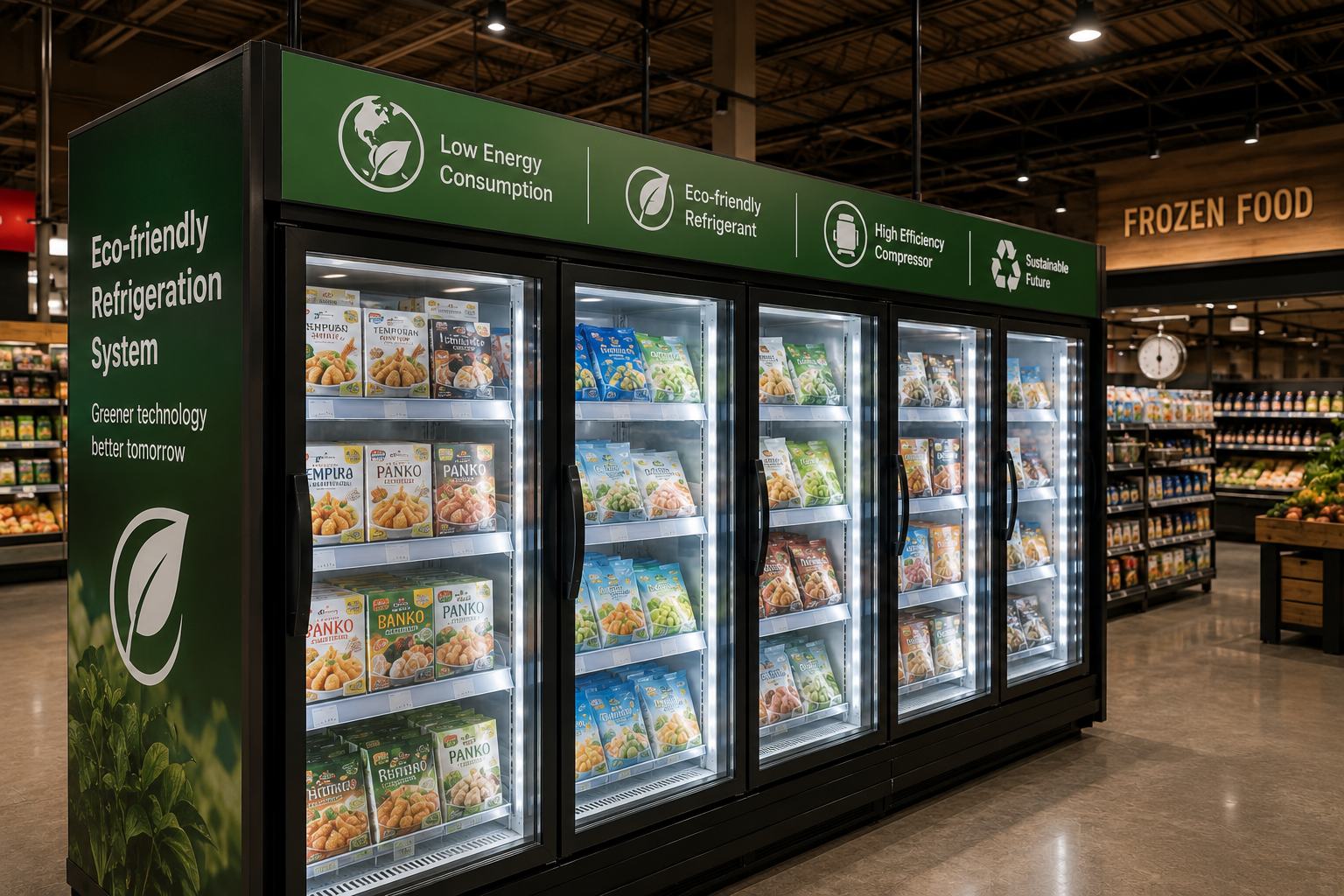
eco friendly refrigeration system

Why Sustainability Matters in Commercial Refrigeration

Traditional refrigeration systems can contribute to excessive energy waste and environmental impact due to:

  • High electricity consumption
  • Inefficient refrigerants
  • Poor insulation performance
  • Excessive frost accumulation
  • Continuous compressor overload

As energy regulations and operational costs continue to rise, businesses increasingly prioritize sustainable refrigeration solutions.

Key Technologies Behind Eco Friendly Refrigeration Systems

Environmentally Friendly Refrigerants

Modern systems use lower-impact refrigerants that reduce greenhouse gas emissions while maintaining cooling efficiency.

Variable-Speed Compressors

Inverter compressors automatically adjust cooling output based on demand, minimizing unnecessary energy consumption.

High-Efficiency Insulation

Advanced insulation panels reduce heat transfer and improve temperature stability.

Smart Airflow Management

Optimized fan cooling systems distribute cold air evenly while reducing compressor workload.

LED Refrigeration Lighting

LED lighting generates less heat and consumes less power than traditional lighting systems.

Performance Comparison

Feature Traditional Refrigeration Eco Friendly Refrigeration
Energy Consumption Higher Lower
Refrigerant Impact Standard Reduced Environmental Impact
Cooling Stability Moderate Stable
Operating Cost Higher Reduced
Long-Term Efficiency Standard Improved

Commercial Applications

An eco friendly refrigeration system is widely used in:

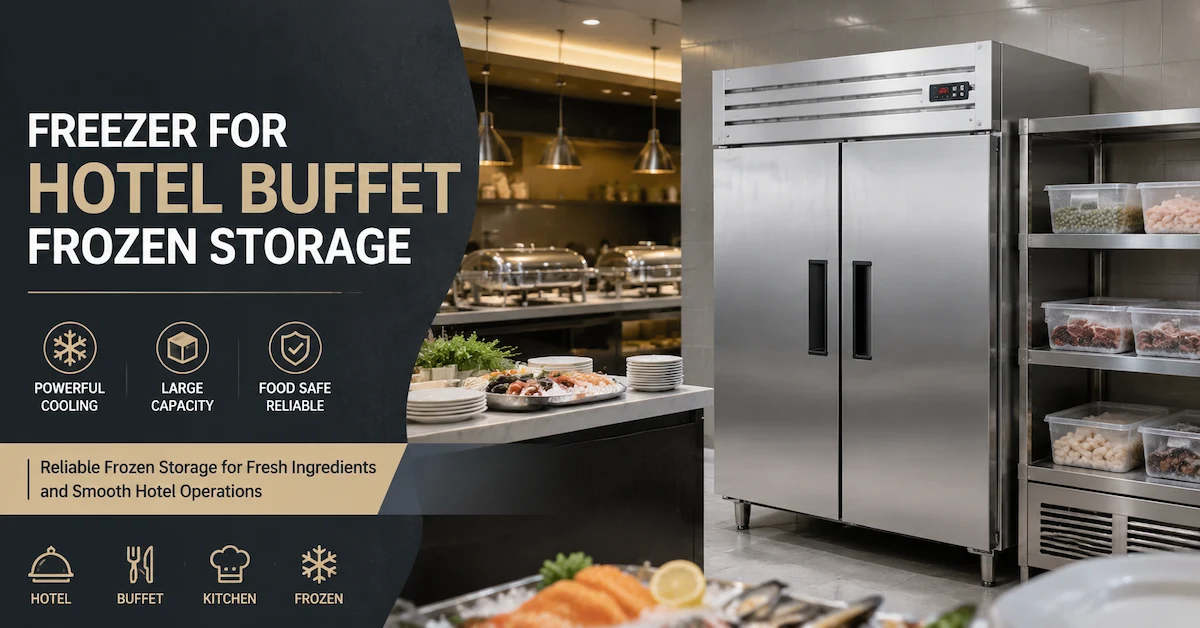
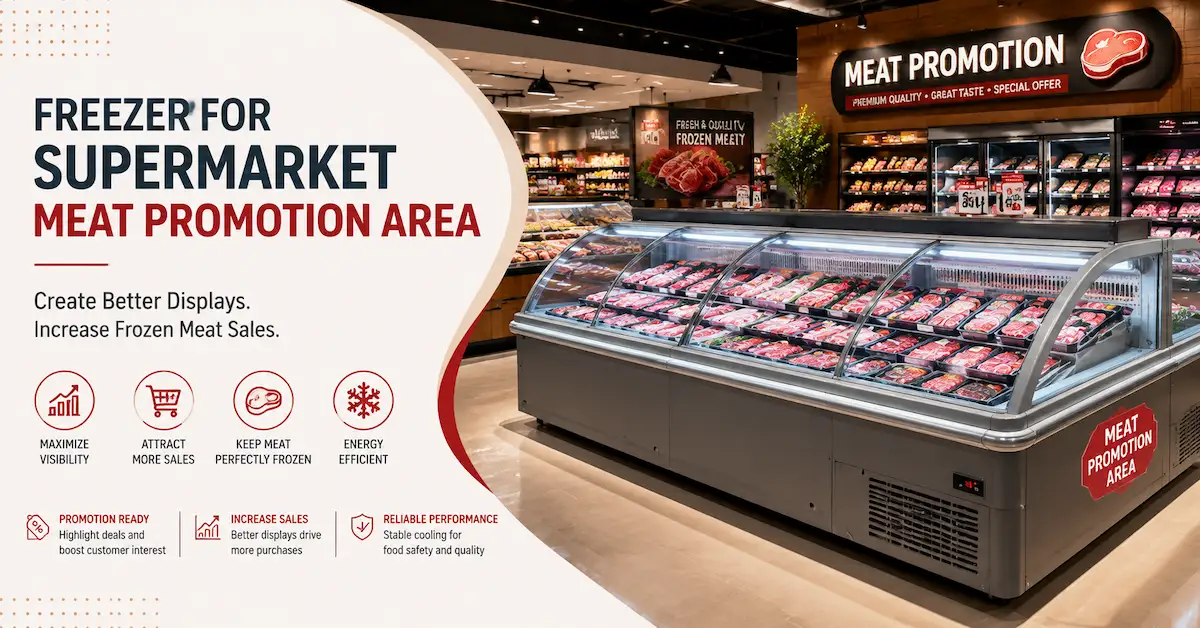
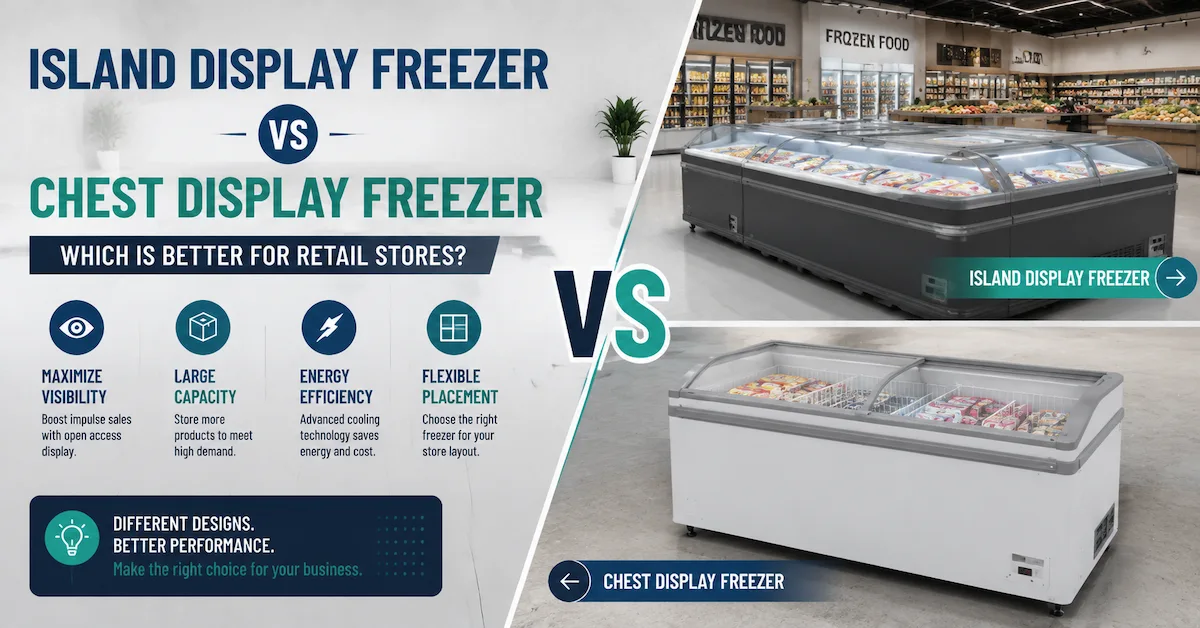
  • Supermarkets and retail chains
  • Restaurants and cafés
  • Frozen food distribution centers
  • Cold chain logistics warehouses
  • Food processing facilities

Common Usage Scenarios:

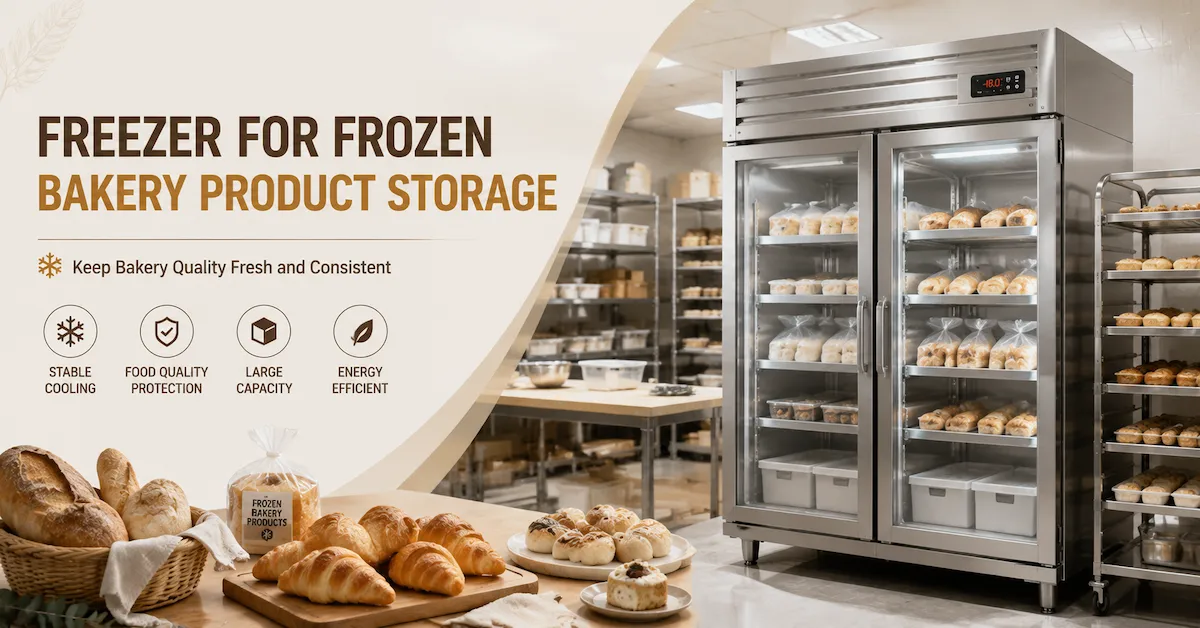
  • Energy Efficient Commercial Freezer
  • Low Power Consumption Freezer
  • Fan Cooling Freezer System

How Businesses Improve Refrigeration Sustainability

Businesses can improve refrigeration efficiency by:

  • Maintaining proper ventilation around refrigeration equipment
  • Cleaning condensers regularly
  • Avoiding excessive door opening
  • Using energy-saving operating modes
  • Selecting properly sized refrigeration systems

These operational improvements help maximize long-term sustainability and reduce electricity costs.

FAQ

Q1: Are eco friendly refrigeration systems more expensive?

A1: Initial costs may be slightly higher, but long-term energy savings often reduce total operating costs.

Q2: Do sustainable refrigeration systems reduce cooling performance?

A2: No. Modern eco friendly systems maintain stable temperatures while improving efficiency.

Q3: Are eco friendly refrigerants safe for commercial use?

A3: Yes. Modern refrigerants are designed to meet commercial safety and environmental standards.

Building a More Sustainable Refrigeration Strategy

An eco friendly refrigeration system helps businesses reduce operational costs, improve energy efficiency, and support long-term sustainability goals.

For supermarkets, restaurants, and cold storage operators, sustainable refrigeration technology provides both environmental and commercial benefits.

Explore our refrigeration solutions: https://www.snowseax.com/
Contact our team for customized refrigeration support: https://www.snowseax.com/contact-us
Featured Blogs
Freezer Heat Dissipation System: Why Efficient Heat Management Improves Refrigeration Performance

Freezer Heat Dissipation System: Why Efficient Heat Management Improves Refrigeration Performance

Cooling performance depends not only on how effectively a freezer generates cold air but also on how efficiently it removes heat. A well-designed freezer heat dissipation system helps maintain stable temperatures, reduce compressor workload, improve energy efficiency, and extend equipment lifespan. This article explores the engineering principles behind heat dissipation systems and their impact on commercial refrigeration performance.

Commercial Refrigeration Cabinet Design: How Smart Engineering Improves Cooling Performance and Product Storage

Commercial Refrigeration Cabinet Design: How Smart Engineering Improves Cooling Performance and Product Storage

Commercial refrigeration cabinets do more than store products. Their design directly affects temperature stability, energy efficiency, storage capacity, maintenance requirements, and long-term operating costs. This article explores how modern commercial refrigeration cabinet design helps businesses improve refrigeration performance while supporting efficient food storage and display operations.

Industrial Freezer Build Quality: Why Construction Standards Matter for Long-Term Refrigeration Performance

Industrial Freezer Build Quality: Why Construction Standards Matter for Long-Term Refrigeration Performance

Industrial freezers are expected to operate continuously in demanding environments where reliability, durability, and temperature stability are essential. Poor construction quality can lead to increased maintenance, higher operating costs, and shorter equipment lifespan. This article explores how industrial freezer build quality affects refrigeration performance and what buyers should evaluate before investing in commercial cold storage equipment.

Freezer Structural Design for Durability: How Strong Construction Improves Long-Term Refrigeration Performance

Freezer Structural Design for Durability: How Strong Construction Improves Long-Term Refrigeration Performance

Commercial freezers operate under constant stress from heavy product loads, frequent door openings, temperature fluctuations, and continuous daily operation. A well-engineered freezer structural design for durability helps extend equipment lifespan, reduce maintenance costs, and ensure reliable refrigeration performance. This article explores the structural features that contribute to long-lasting commercial refrigeration systems.

Durable Refrigeration Equipment Design: How Long-Term Reliability Reduces Operating Costs

Durable Refrigeration Equipment Design: How Long-Term Reliability Reduces Operating Costs

Commercial refrigeration equipment is expected to operate continuously under demanding conditions. Frequent door openings, temperature fluctuations, heavy product loads, and constant daily use can place significant stress on refrigeration systems. This article explores how durable refrigeration equipment design improves reliability, reduces maintenance costs, and supports long-term refrigeration performance across commercial applications.

Heavy Duty Commercial Freezer: Built for High-Demand Refrigeration Applications

Heavy Duty Commercial Freezer: Built for High-Demand Refrigeration Applications

Commercial refrigeration equipment must withstand constant operation, frequent door openings, and demanding storage requirements. A heavy duty commercial freezer is designed to deliver reliable cooling performance, long-term durability, and efficient operation in supermarkets, restaurants, food processing facilities, and cold storage environments. This article explores the key features that make heavy-duty freezers essential for professional refrigeration.