Freezer for Food Storage: Commercial & Industrial Solutions for Every Industry
Food storage is no longer just about keeping products cold—it is about preserving quality, reducing waste, and maintaining a reliable cold chain.
A properly designed freezer for food storage ensures that meat, seafood, vegetables, and dairy products are preserved under stable and controlled conditions. Whether you operate a restaurant, supermarket, processing plant, or cold storage warehouse, the right system directly impacts product quality and business efficiency.
For businesses managing high volumes or multiple food categories, integrating a complete cold storage system provides significantly better performance than using standalone units.
Types of Freezer for Food Storage
Different storage requirements demand different freezer solutions. Choosing the correct type is the foundation of an efficient system.
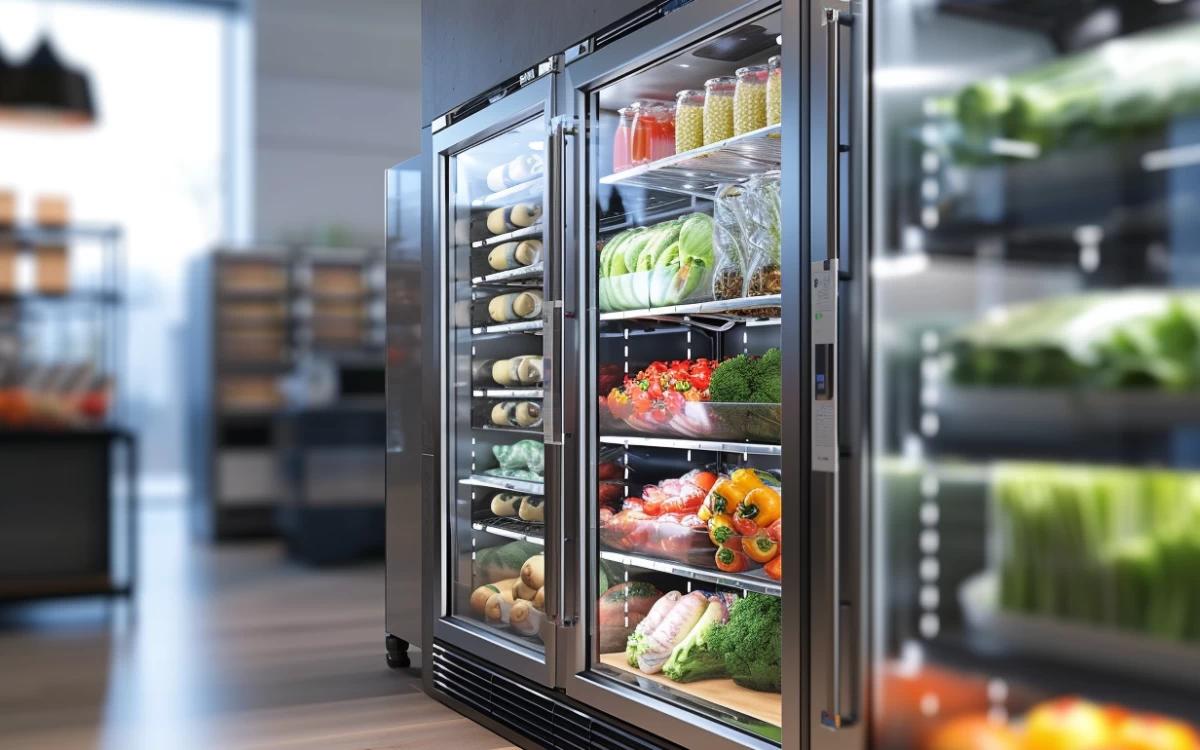
- Commercial Freezers – Ideal for restaurants and retail environments
- Walk-in Freezers – Designed for bulk storage and warehouse use
- Blast Freezers – Used for rapid freezing in processing operations
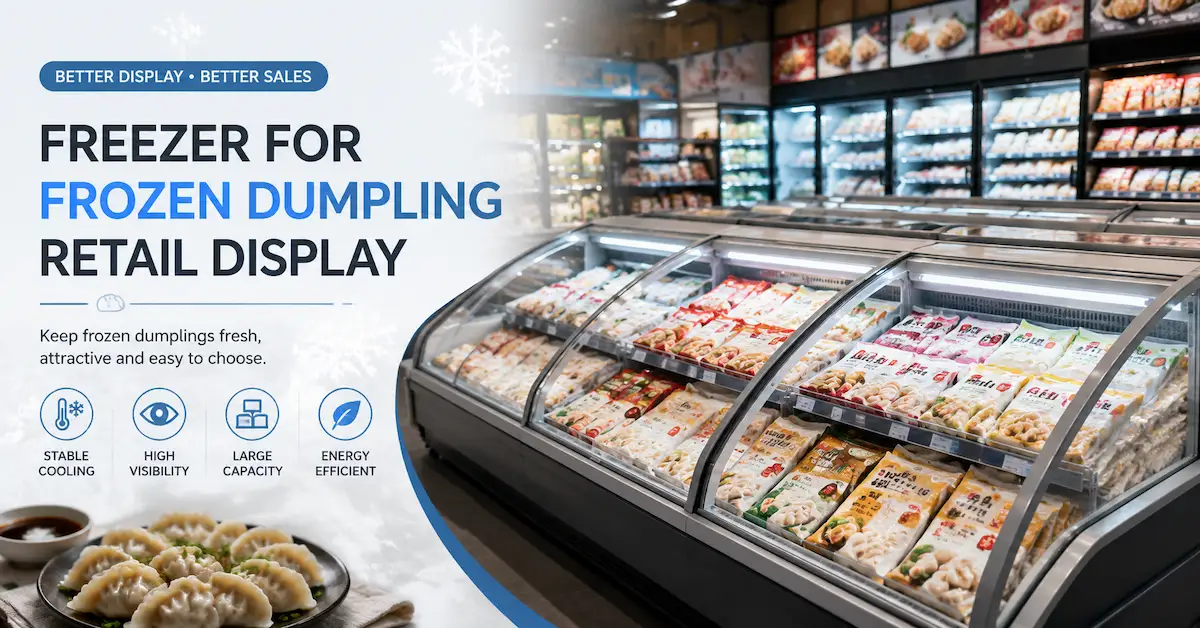
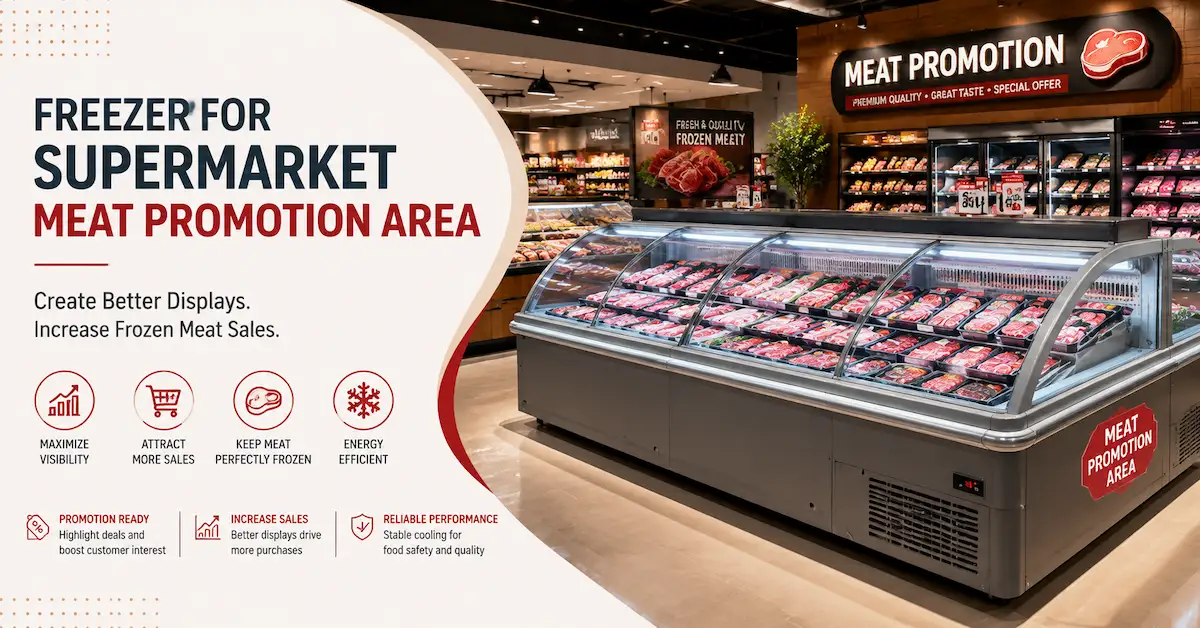
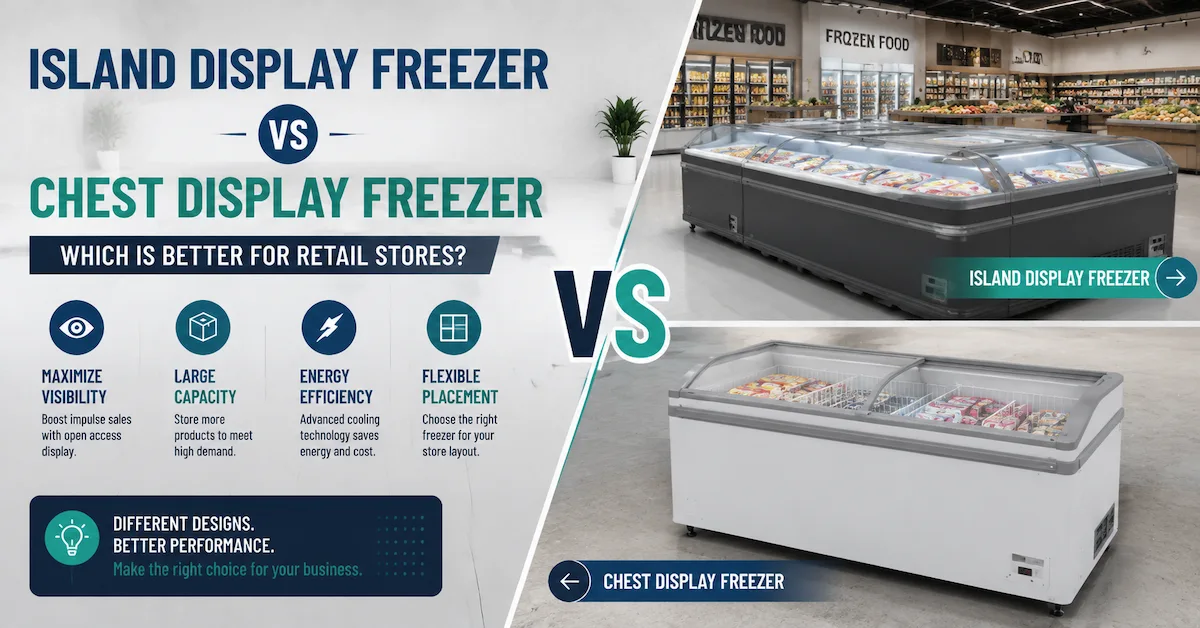
- Display Freezers – Suitable for supermarkets and retail sales
Many businesses combine multiple systems into a custom refrigeration solution to improve flexibility and efficiency.
Freezer for Food Storage by Application
Different industries require tailored freezer configurations. Below are the most common applications:
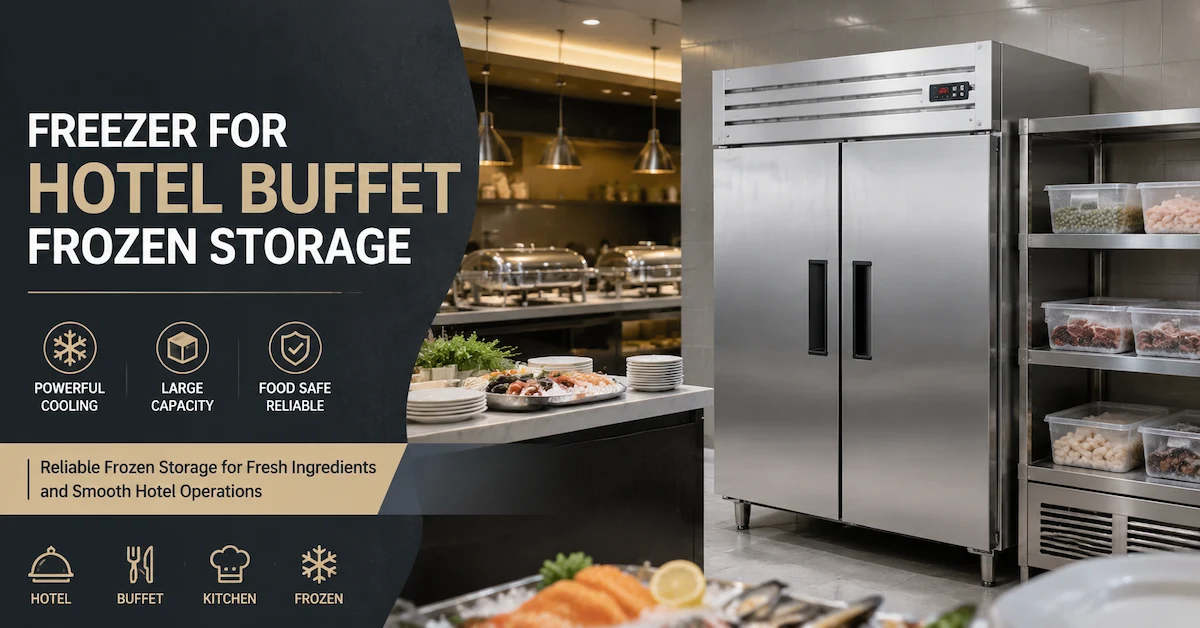
- Restaurants → freezer for restaurant kitchen
- Supermarkets → freezer for supermarket
- Meat retail → freezer for meat shop
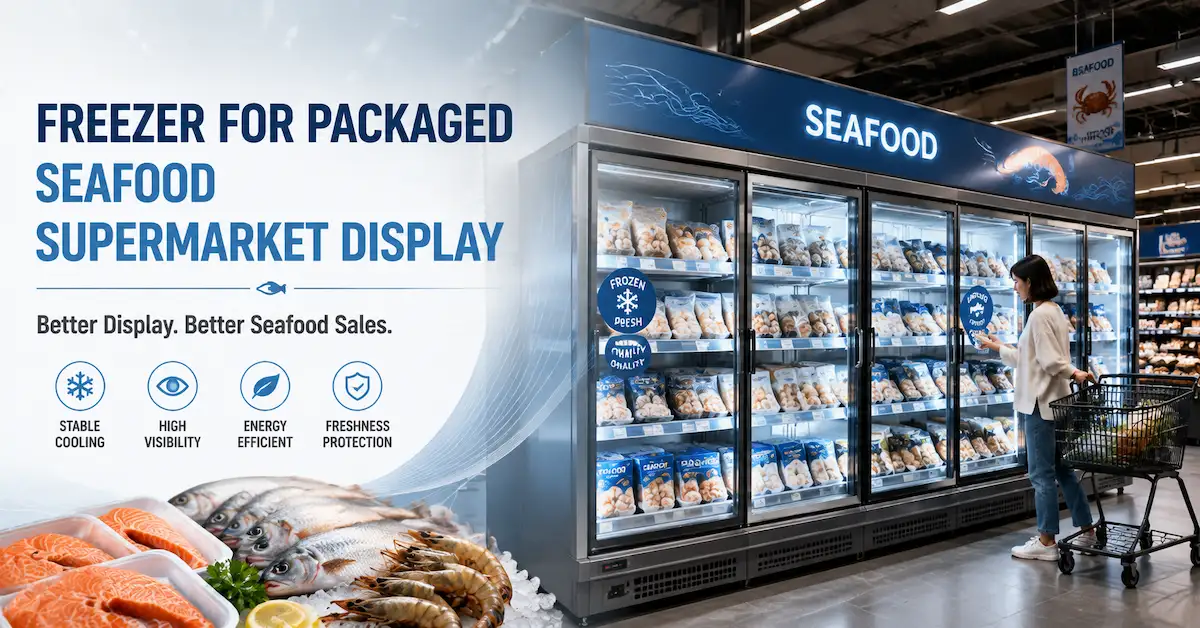
- Seafood processing → freezer for seafood storage
- Vegetable supply → freezer for frozen vegetables
These application-specific systems ensure that each type of food is stored under optimal conditions.
Food Storage Requirements by Category
Different food categories require different freezing strategies. Temperature control is critical.
| Food Type | Recommended Temperature | Freezer Type | Storage Goal |
|---|---|---|---|
| Meat | -18°C to -25°C | Walk-in freezer | Long-term preservation |
| Seafood | -25°C to -40°C | Blast freezer | Preserve texture |
| Vegetables | ≤ -35°C | IQF freezer | Maintain nutrients |
| Dairy | -15°C to -25°C | Display freezer | Texture stability |
Maintaining the correct temperature prevents spoilage and ensures product consistency.
How Freezer Systems Improve Food Storage Efficiency
A modern freezer for food storage is not just about temperature—it is a combination of multiple engineering factors.
Key performance elements include:
- Airflow design for even cooling distribution
- High-quality insulation to reduce energy loss
- Temperature stability to prevent product damage
- Energy efficiency systems to lower operational cost
Businesses that implement industrial freezer systems benefit from improved consistency and lower long-term costs.
Walk-in Freezer vs Blast Freezer vs Commercial Freezer
Choosing the right type depends on your operational needs.
| Type | Cooling Speed | Capacity | Best Use Case |
|---|---|---|---|
| Blast Freezer | Very Fast | Medium | Food processing |
| Walk-in Freezer | Medium | Very High | Bulk storage |
| Commercial Freezer | Medium | Medium | Retail / restaurant |
For businesses handling multiple product types, combining systems provides the best results.
Real Applications of Food Storage Freezers
Freezers are used across multiple industries, each with different requirements:
- Food processing plants use blast freezers for rapid freezing
- Cold storage warehouses rely on walk-in systems for large-scale storage
- Supermarkets use display freezers for product visibility
- Restaurants depend on reach-in units for daily operations
Selecting the right freezer supplier ensures that each application runs efficiently and reliably.
How to Choose the Right Freezer for Food Storage
Choosing the right system requires balancing several factors:
- Storage volume and product type
- Temperature requirements
- Cooling speed
- Available space
- Energy consumption
A professional commercial freezer supplier can help design a system tailored to your business.
Frequently Asked Questions
What is the best freezer for food storage?
Walk-in freezers are best for bulk storage, while blast freezers are ideal for rapid freezing.
What temperature is required for food storage?
Most foods require temperatures between -18°C and -30°C, depending on category.
How do I choose between walk-in and blast freezer?
If you need fast freezing, choose blast. For large storage, choose walk-in.
Find the Right Freezer for Your Business
Choosing the right freezer for food storage allows businesses to improve efficiency, maintain product quality, and reduce waste.
Explore our full range of solutions here:
👉 https://www.snowseax.com/
Or contact us for a customized cold storage solution:
👉 https://www.snowseax.com/contact-us