For importers, distributors, supermarket equipment buyers, frozen food brands, ice cream brands, and private label refrigeration companies, understanding commercial freezer cost analysis is important before placing bulk orders.
Many buyers first compare unit price. However, the real cost of a commercial freezer includes much more than the quoted price. Freezer type, cabinet size, compressor configuration, insulation structure, glass design, temperature range, OEM customization, packaging, shipping damage risk, energy use, and after-sales performance all affect the total cost.
A low-price freezer may look attractive at first, but if it has unstable freezing, weak packaging, poor components, or high after-sales risk, the real cost can become much higher.
Snowsea provides commercial refrigeration products including chest freezers, display freezers, ice cream freezers, island freezers, refrigerators, beverage coolers, and showcase cabinets. For buyers who need cost-effective freezer sourcing, Snowsea supports OEM/ODM customization, private label branding, quality inspection, and export-ready packaging.
Why Commercial Freezer Cost Analysis Matters
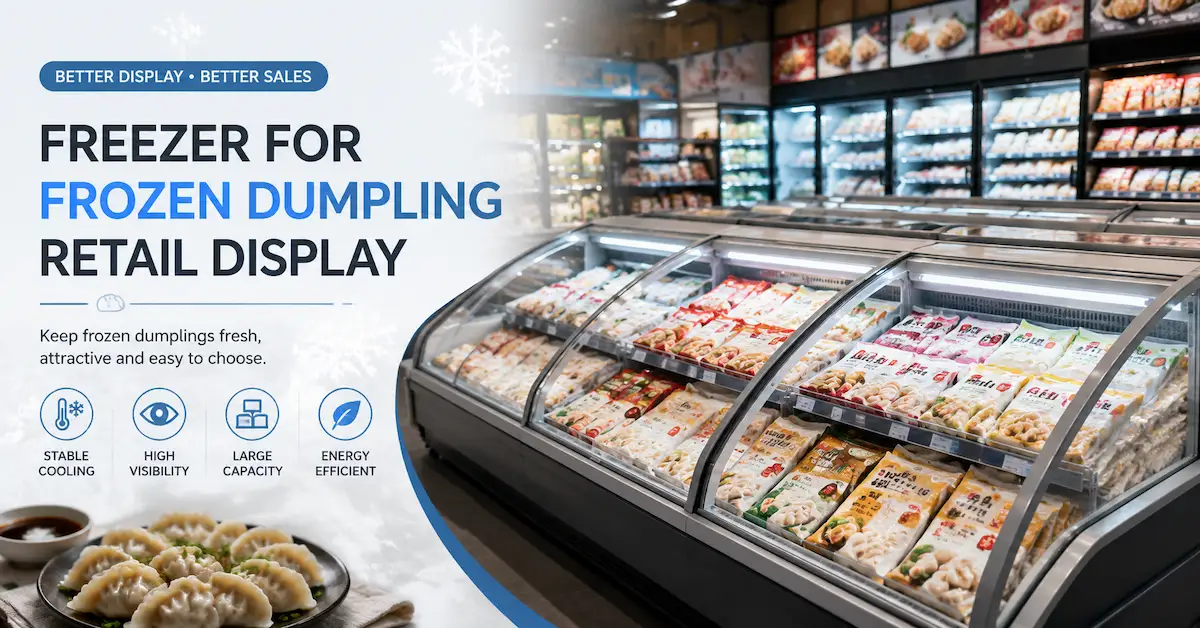
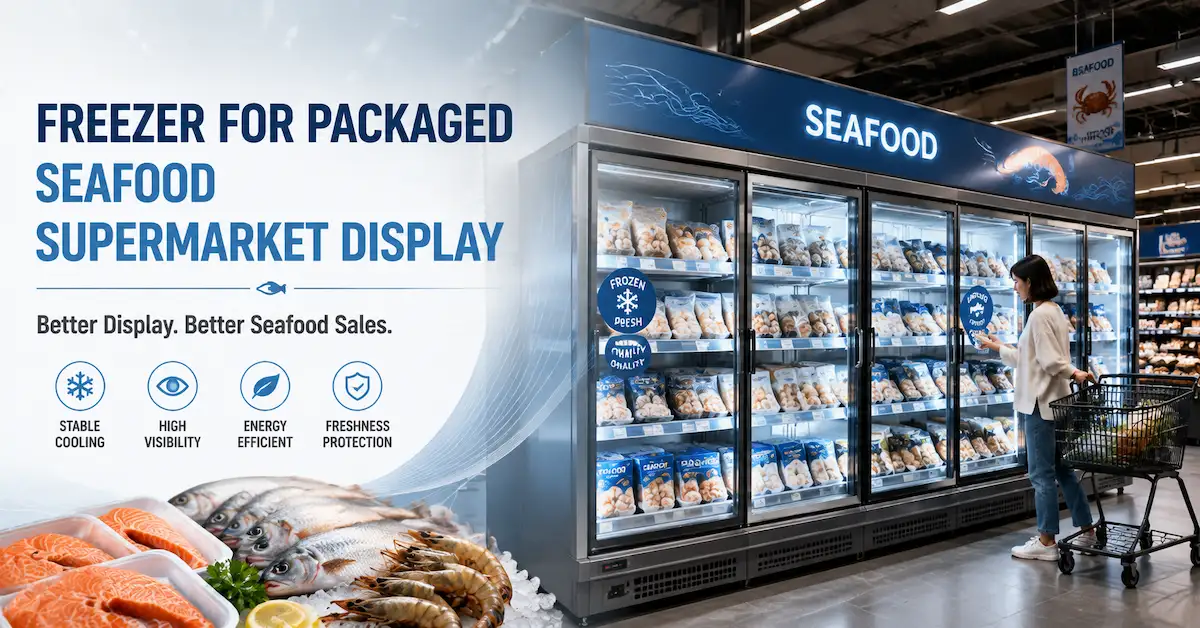
Commercial freezers are used in supermarkets, convenience stores, frozen food shops, seafood markets, meat storage areas, restaurants, hotels, ice cream stores, and distribution channels. These products often run for long hours and directly affect frozen food quality.
A proper cost analysis helps buyers avoid:
- Choosing the wrong freezer type
- Paying extra after-sales cost
- Receiving damaged goods due to weak packaging
- Losing customers because of unstable freezing
- Overpaying for unnecessary features
- Underestimating OEM customization cost
- Ignoring energy consumption
- Missing hidden shipping and handling risks
For B2B buyers, the goal is not to buy the cheapest freezer. The goal is to buy the right freezer with the best long-term value.
Product Type Affects Freezer Cost
Different freezer types have different structures, materials, cooling systems, and application values.
| Freezer Type | Cost Level | Best Application |
|---|---|---|
| Chest Freezer | Usually cost-effective | Frozen food, meat, seafood, bulk storage |
| Display Freezer | Medium to higher | Supermarkets and frozen food retail |
| Ice Cream Freezer | Medium | Ice cream shops, dessert brands, retail display |
| Island Freezer | Higher | Large supermarket frozen food zones |
| Upright Freezer | Medium to higher | Organized display and vertical storage |
| Glass Door Freezer | Higher than solid door models | Customer-facing frozen product display |
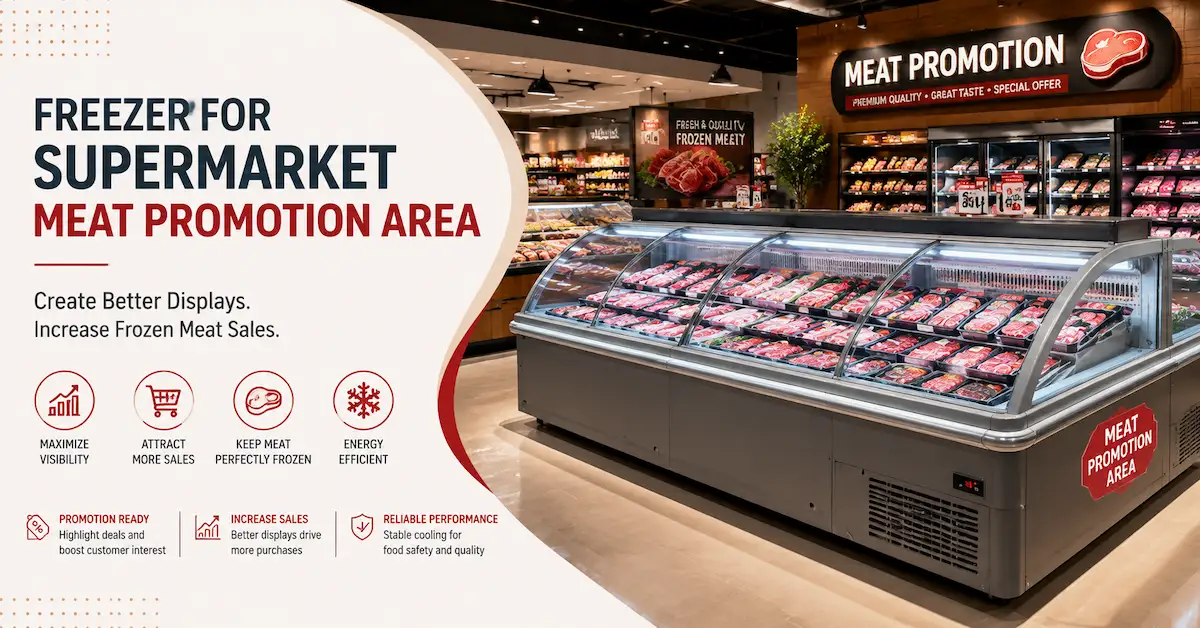
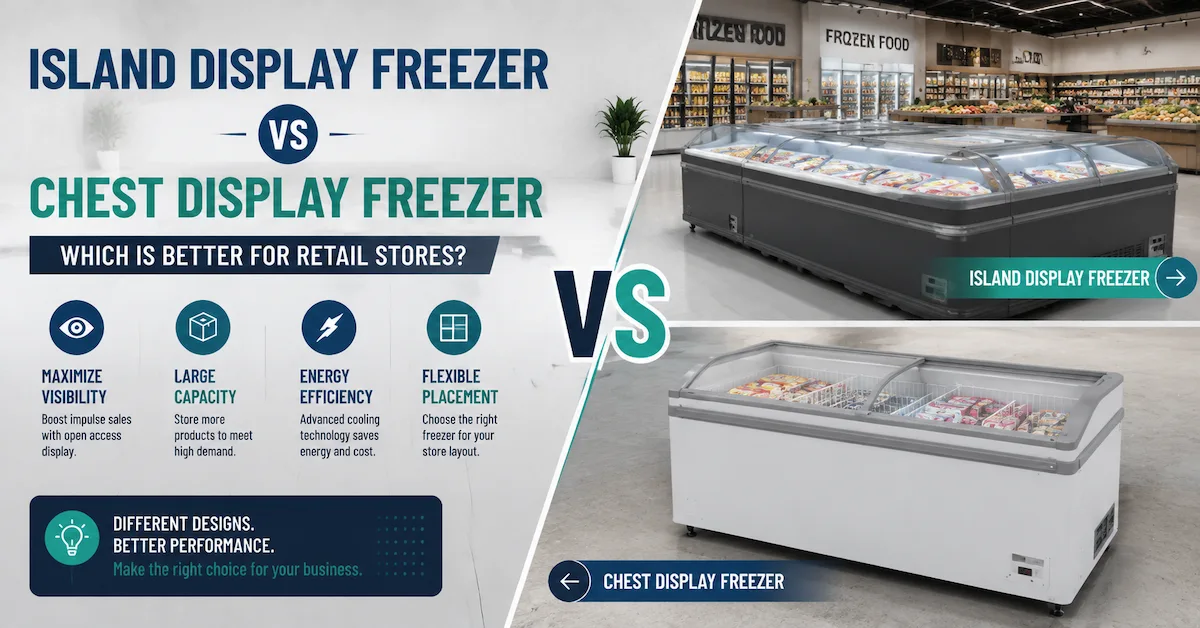
A chest freezer may be more cost-effective for storage, while an island freezer may cost more but provide stronger retail display value. Buyers should choose based on application, not only price.
Buyers can review freezer categories here:
https://www.snowseax.com/products
Freezing Performance Influences Long-Term Cost
Freezing performance is one of the most important cost factors. A freezer with poor temperature stability can increase product loss and customer complaints.
Buyers should evaluate:
- Temperature range
- Compressor configuration
- Cooling recovery speed
- Insulation structure
- Door sealing performance
- Defrost method
- Digital temperature control
- Energy efficiency
For ice cream, seafood, meat, frozen meals, and frozen desserts, stable freezing is essential. A freezer with better components may cost more initially, but it can reduce long-term risk.
Cabinet Size and Capacity Affect Price
Larger freezers usually cost more due to higher material usage, larger cabinet structure, stronger refrigeration systems, and larger packaging requirements.
Before choosing a size, buyers should confirm:
- Storage volume
- Product packaging size
- Retail floor space
- Loading frequency
- Customer access direction
- Daily sales volume
Oversized freezers may waste space and increase cost. Undersized freezers may limit sales or storage capacity. The right size should match real business needs.
Glass Door vs Solid Door Cost Difference
Door structure also affects cost.
Glass door freezers usually cost more because they require glass panels, sealing systems, display lighting, and customer-facing design. They are suitable for supermarkets, frozen food shops, and retail display.
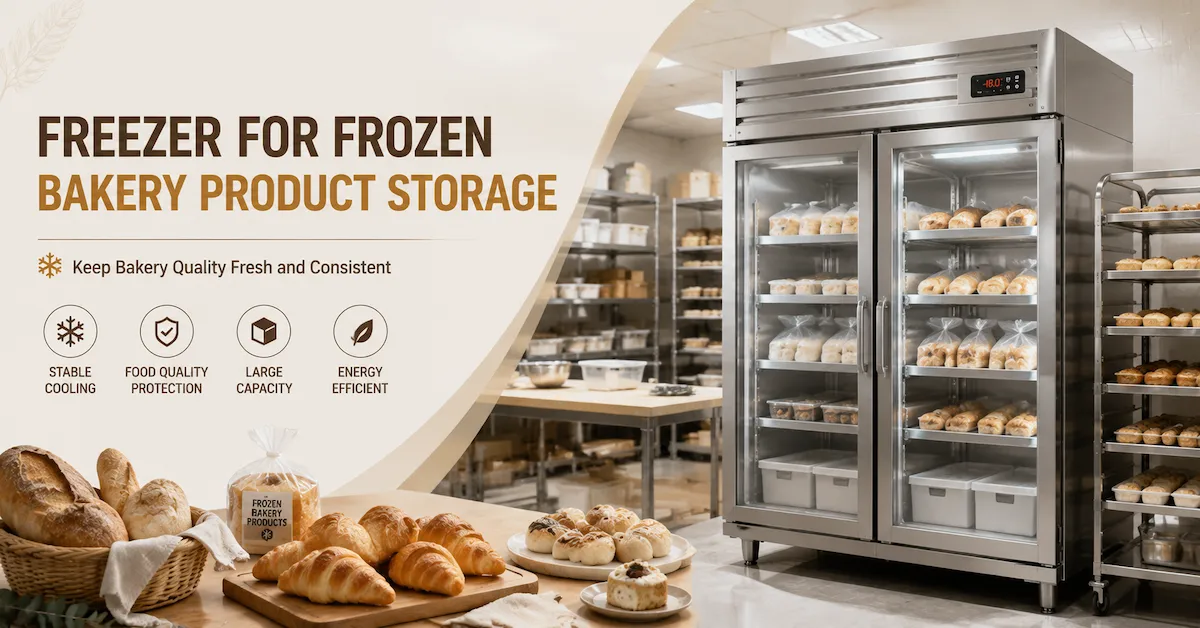
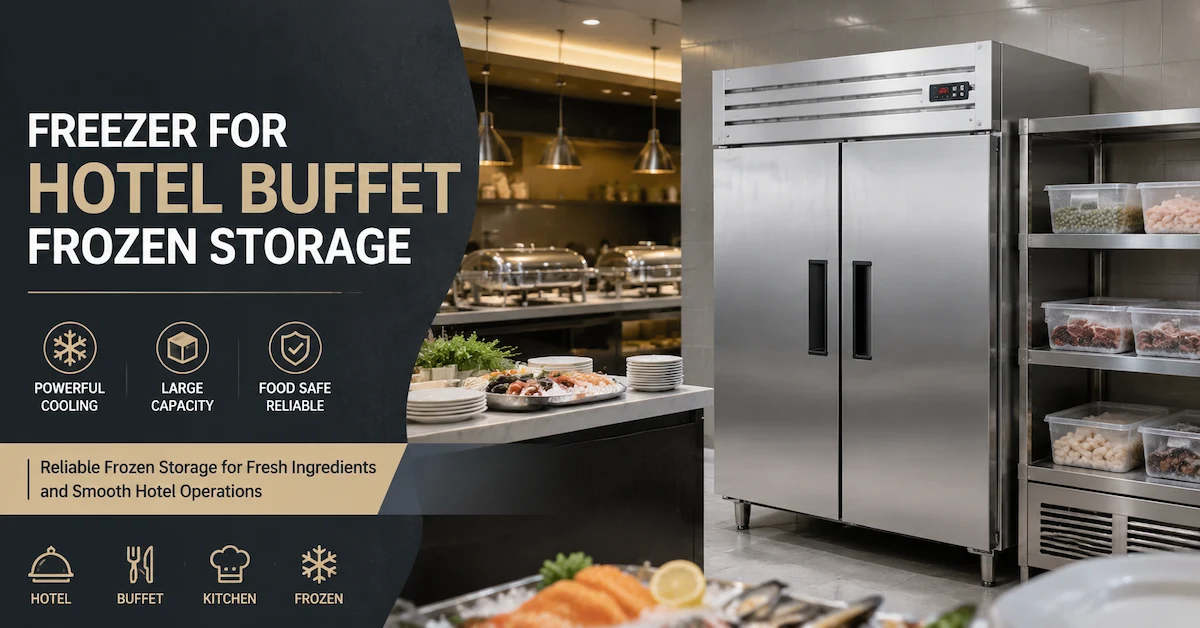
Solid door freezers are usually more suitable for backroom storage, restaurants, hotels, and warehouse applications. They may offer better insulation for storage-focused use.
| Door Type | Cost Impact | Best Use |
| Glass Door | Higher | Retail display and product visibility |
| Solid Door | More cost-efficient | Storage and back-of-house use |
| Sliding Glass Door | Medium to higher | Customer access and space-saving retail |
| Curved Glass Door | Higher | Premium ice cream and display applications |
Buyers should not pay for display features if the freezer is mainly used for storage.
OEM/ODM Customization Adds Cost but Increases Value
OEM customization can increase product cost, but it also helps buyers build brand value and market competitiveness.
Common OEM cost factors include:
- Logo customization
- Cabinet color
- Side graphics
- Top lightbox branding
- Product labels
- User manuals
- Carton design
- Basket or divider layout
- Voltage and plug adaptation
- Model number system
For private label buyers, these costs are often worthwhile because they help create a branded product line instead of selling generic freezers.
For OEM/ODM freezer projects, buyers can visit:
https://www.snowseax.com/oem-odm
Export Packaging Is Part of the Real Cost
Commercial freezers are large products. They may include glass doors, compressors, wheels, baskets, controllers, and painted surfaces. Weak packaging can lead to shipping damage, claims, replacements, and customer complaints.
Export packaging may include:
- Reinforced cartons
- Wooden frame protection
- Corner protection
- Glass protection
- Compressor protection
- Pallet loading
- Container loading support
Good packaging may increase upfront cost, but it reduces damage risk and protects the buyer’s reputation.
Energy Use Affects Operating Cost
Commercial freezers often operate continuously. Energy efficiency can affect long-term operating cost for end users.
Buyers should consider:
- Compressor efficiency
- Insulation thickness
- Door sealing
- LED lighting
- Defrost method
- Temperature control system
- Ambient operating environment
For supermarket chains, restaurants, and convenience stores, energy use can become an important selling point. A slightly higher product cost may be acceptable if the freezer helps reduce long-term electricity consumption.
Quality Control Reduces Hidden Cost
Quality control is a key part of freezer cost analysis. Poor QC can create expensive problems after shipment.
A reliable supplier should inspect:
- Cabinet assembly
- Refrigeration system
- Electrical safety
- Temperature performance
- Door sealing
- Appearance quality
- OEM branding accuracy
- Packaging strength
Quality inspection before shipment helps reduce after-sales cost and protects the buyer’s brand.
Low Price vs Long-Term Value
A low-price freezer may reduce initial purchase cost, but it can create hidden costs.
| Cost Factor | Low-Price Risk | Reliable Supplier Value |
| Freezing performance | Temperature instability | Better product protection |
| Packaging | Shipping damage | Lower claim risk |
| Components | Shorter service life | Better reliability |
| OEM details | Branding mistakes | Consistent private label image |
| QC | Higher defect risk | Better batch consistency |
| Communication | Wrong specifications | Clear production confirmation |
For serious bulk buyers, total value is more important than the lowest unit price.
Cost Analysis Checklist Before Requesting a Quote
Before asking for a quotation, buyers should prepare clear project details.
| Information to Prepare | Why It Matters |
| Target market | Confirms voltage, plug, labels, and packaging |
| Freezer type | Chest, display, island, upright, or ice cream freezer |
| Application | Storage, supermarket display, restaurant use, distributor sales |
| Size or capacity | Affects material, packaging, and shipping cost |
| Temperature range | Determines cooling configuration |
| Door type | Glass door, solid door, sliding door, or curved glass |
| Branding needs | Logo, color, labels, packaging |
| Order quantity | Affects quotation and production planning |
| Export packaging | Reduces shipping damage risk |
| Delivery schedule | Supports production planning |
Clear information helps Snowsea recommend suitable models and provide a more accurate cost proposal.
Why Snowsea Can Support Cost-Effective Freezer Projects
Snowsea focuses on commercial refrigeration equipment for frozen food storage, supermarket refrigeration, convenience store cooling, ice cream display, restaurant storage, and food service applications.
For commercial freezer cost analysis and sourcing projects, Snowsea can support:
- Chest freezer options
- Display freezer customization
- Ice cream freezer solutions
- Island freezer models
- Upright freezer options
- OEM/ODM customization
- Private label branding
- Cabinet size and structure customization
- Temperature control configuration
- Export packaging support
- Quality inspection before shipment
Buyers can learn more about Snowsea here:
https://www.snowseax.com/about-us
FAQ
1. What affects commercial freezer cost?
Commercial freezer cost is affected by freezer type, size, compressor configuration, insulation, door design, temperature range, OEM customization, packaging, and order quantity.
2. Is the cheapest commercial freezer always better?
No. A cheaper freezer may have weaker cooling, poor packaging, limited QC, or higher after-sales risk. Buyers should compare total value.
3. Does OEM customization increase freezer cost?
Yes, but OEM customization can improve brand value through logo, cabinet color, labels, packaging, and private label design.
4. Why is export packaging included in cost analysis?
Strong packaging reduces shipping damage, replacement cost, customer complaints, and after-sales risk.
5. How can I get an accurate freezer quotation?
Prepare freezer type, size, quantity, temperature range, door type, branding needs, voltage, plug type, packaging requirements, and target market.
Conclusion
A clear commercial freezer cost analysis helps importers, distributors, supermarkets, frozen food brands, ice cream brands, and private label buyers understand the real cost behind commercial freezer sourcing.
The best freezer is not always the cheapest one. A strong commercial freezer supplier should provide stable freezing performance, proper product structure, OEM/ODM support, strict quality control, strong export packaging, and long-term supply value.
Snowsea provides chest freezers, display freezers, ice cream freezers, island freezers, upright freezers, refrigerators, beverage coolers, and showcase cabinets for different commercial applications.
To explore freezer models, visit:
https://www.snowseax.com/products
For freezer OEM/ODM projects, visit:
https://www.snowseax.com/oem-odm