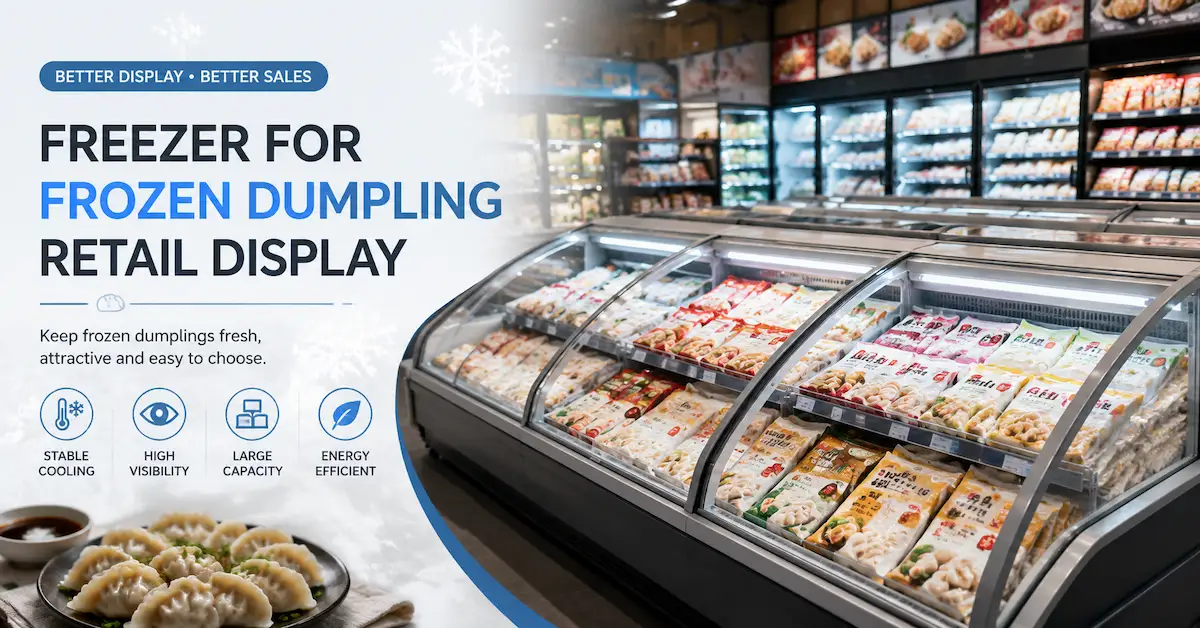
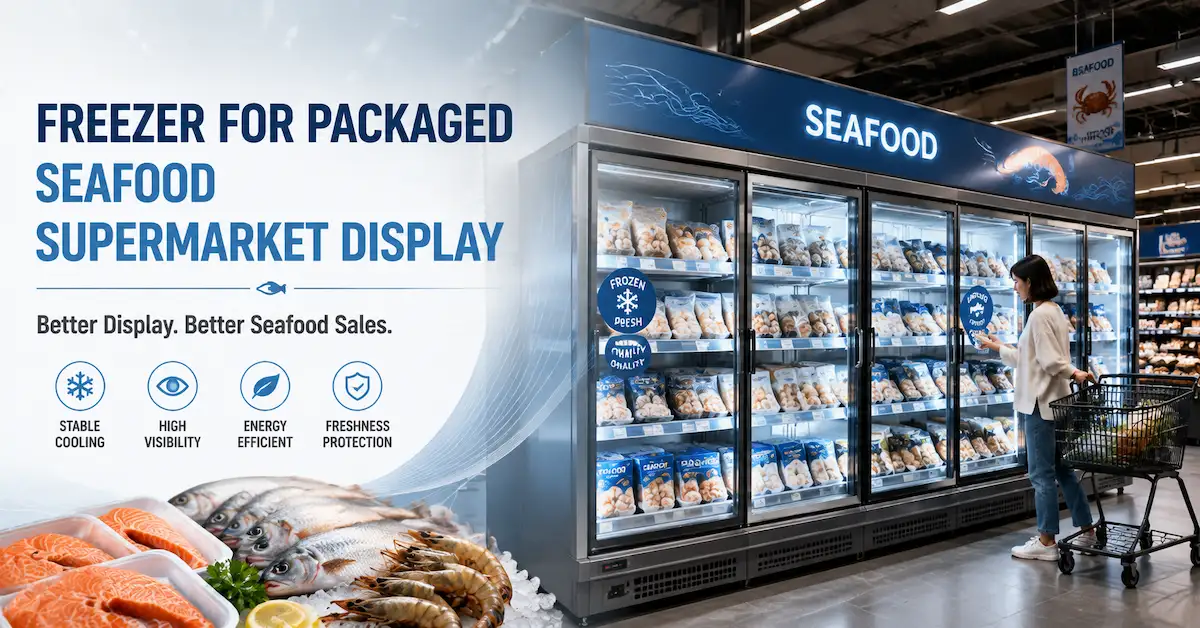
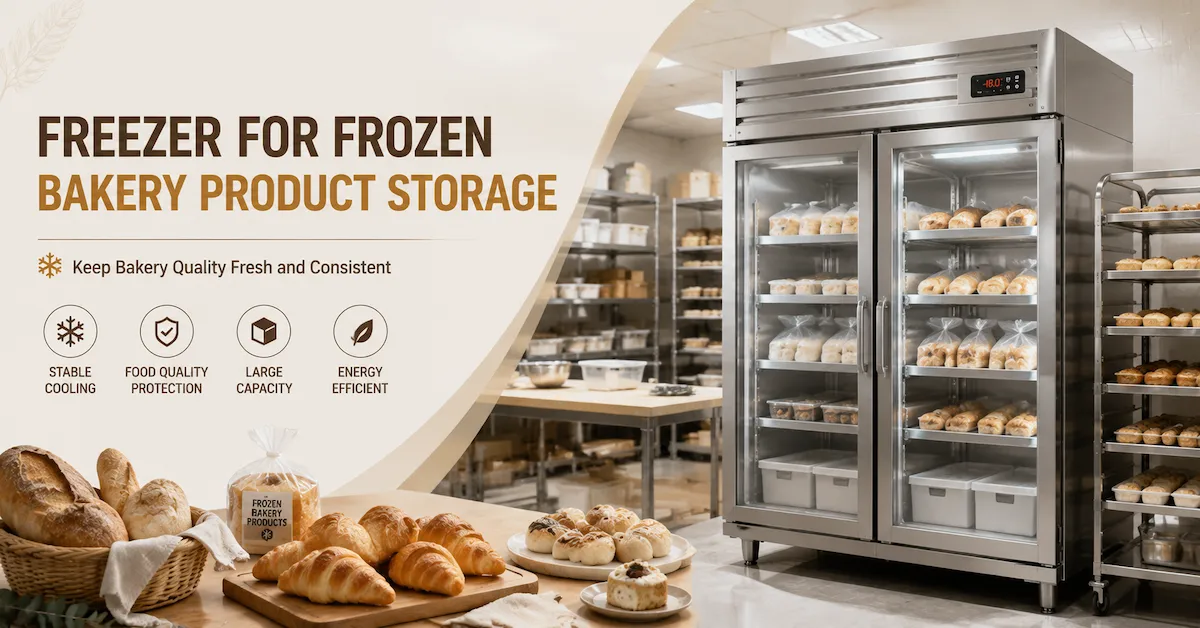
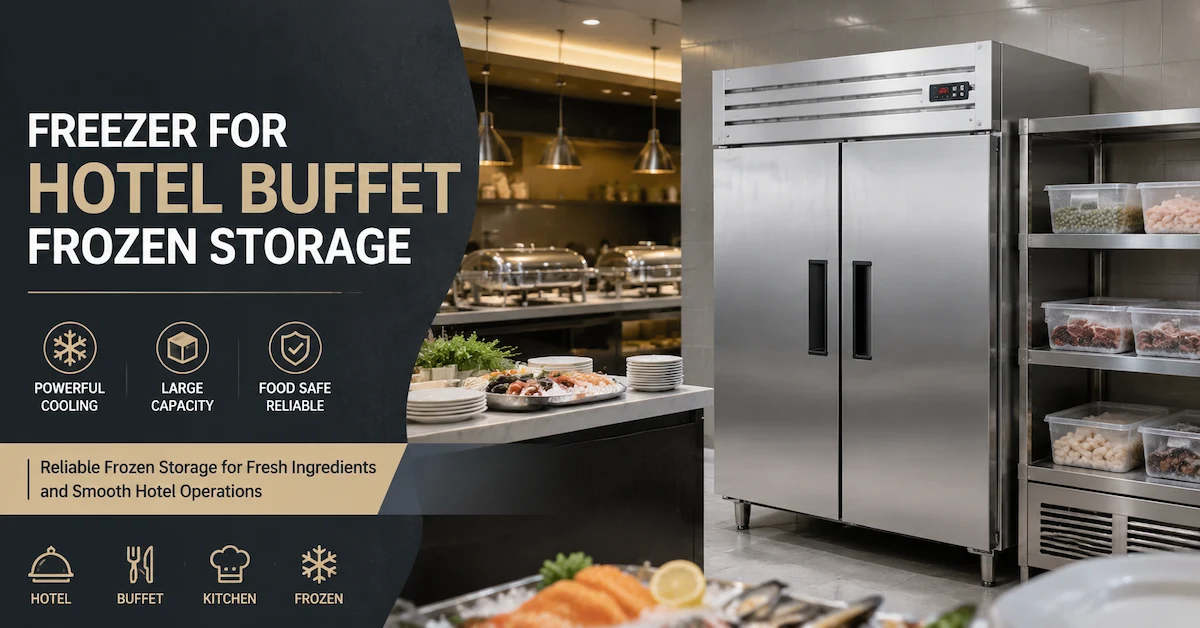
For supermarkets, grocery stores, convenience stores, specialty retailers, and retail equipment distributors, effective refrigeration cabinet sourcing for retail is essential for creating reliable store environments, protecting products, and improving customer shopping experiences.
Retail refrigeration equipment is not only responsible for temperature control. It also influences:
- Product presentation
- Customer purchasing decisions
- Store layout efficiency
- Energy consumption
- Long-term operating costs
Whether launching a new retail project, expanding multiple stores, or replacing outdated equipment, choosing the right refrigeration cabinets requires careful planning.
Retail buyers need to consider:
- Store format
- Product categories
- Display requirements
- Storage capacity
- Energy efficiency
- Customization needs
- Supplier capability
- Delivery schedule
A professional refrigeration supplier should provide solutions that match the specific needs of each retail project.
Snowsea provides commercial refrigeration solutions including refrigeration cabinets, display freezers, upright freezers, island freezers, chest freezers, refrigerators, beverage coolers, and showcase cabinets. Snowsea supports OEM/ODM customization, bulk production, quality inspection, export packaging, and complete refrigeration project cooperation.
Why Retail Projects Need Professional Refrigeration Cabinet Sourcing
Retail refrigeration projects involve many factors beyond purchasing individual cabinets.
A successful sourcing process helps retailers:
- Select suitable equipment
- Optimize store space
- Maintain product quality
- Improve product visibility
- Reduce operating costs
- Standardize equipment across stores
Poor sourcing decisions may cause:
- Insufficient storage capacity
- Poor product display
- High energy consumption
- Difficult maintenance
- Delayed store opening
- Inconsistent store appearance
For retail chains, refrigeration cabinets are long-term investments that affect daily operations.
Understanding Different Retail Refrigeration Cabinet Applications
Different retail environments require different refrigeration solutions.
| Retail Application | Recommended Cabinet Solutions |
|---|---|
| Supermarkets | Display cabinets, upright freezers, island freezers |
| Convenience stores | Compact refrigeration cabinets |
| Grocery stores | Glass-door freezers and refrigerators |
| Specialty food stores | Customized display cabinets |
| Beverage retailers | Beverage coolers and display refrigerators |
| Frozen food shops | Commercial freezer cabinets |
Before sourcing, retailers should define the purpose of each cabinet.
Step 1: Analyze Your Retail Store Requirements
The first step in refrigeration cabinet sourcing for retail projects is understanding the store environment.
Retail buyers should evaluate:
Store Size
Small stores may require:
- Compact cabinets
- Space-saving designs
- Flexible placement
Large supermarkets may require:
- Multiple cabinet types
- Long display lines
- High-capacity solutions
Product Categories
Different products require different cabinet designs.
Examples:
- Frozen food → freezer cabinets
- Fresh food → refrigerated display cabinets
- Drinks → beverage coolers
- Desserts → specialized display freezers
Customer Flow
Cabinet placement should support:
- Easy product access
- Customer movement
- Product visibility
- Efficient restocking
A professional supplier should recommend solutions based on the complete retail environment.
Step 2: Choose the Right Refrigeration Cabinet Types
Retail projects usually require a combination of different cabinet categories.
Upright Refrigeration Cabinets
Suitable for:
- Supermarkets
- Grocery stores
- Frozen food displays
Advantages:
- Efficient vertical storage
- Clear product organization
- Better use of floor space
They are ideal for products that require frequent customer access.
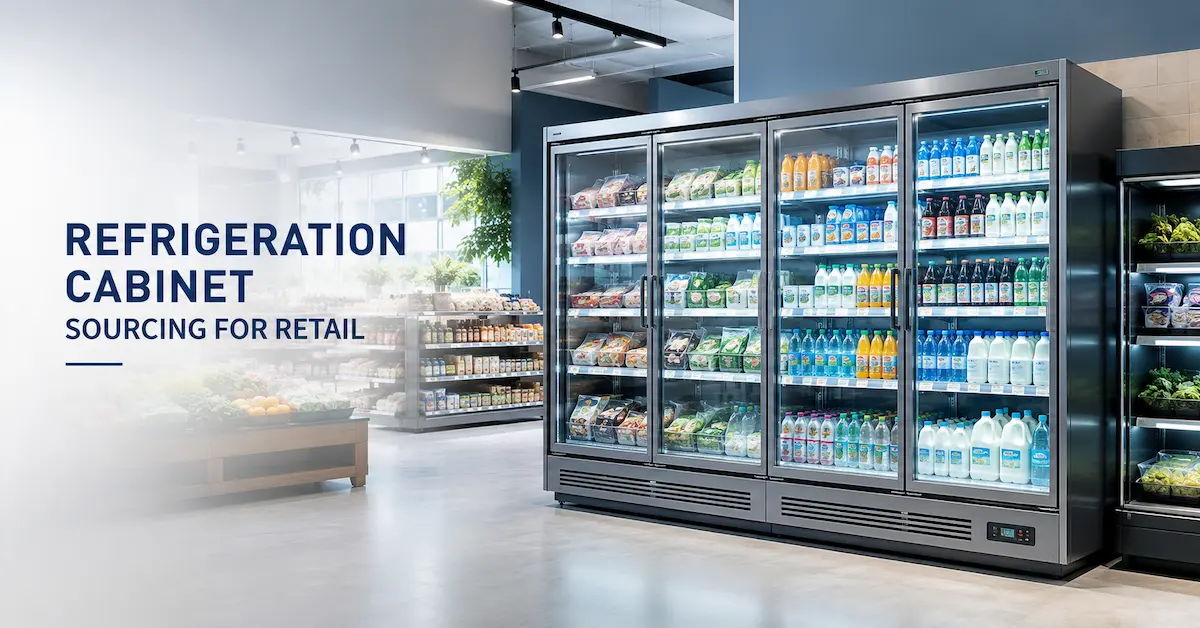
Glass Door Display Cabinets
Suitable for:
- Frozen foods
- Dairy products
- Beverages
- Packaged products
Advantages:
- High product visibility
- Better merchandising
- Reduced unnecessary opening
Glass-door cabinets help customers quickly identify products.
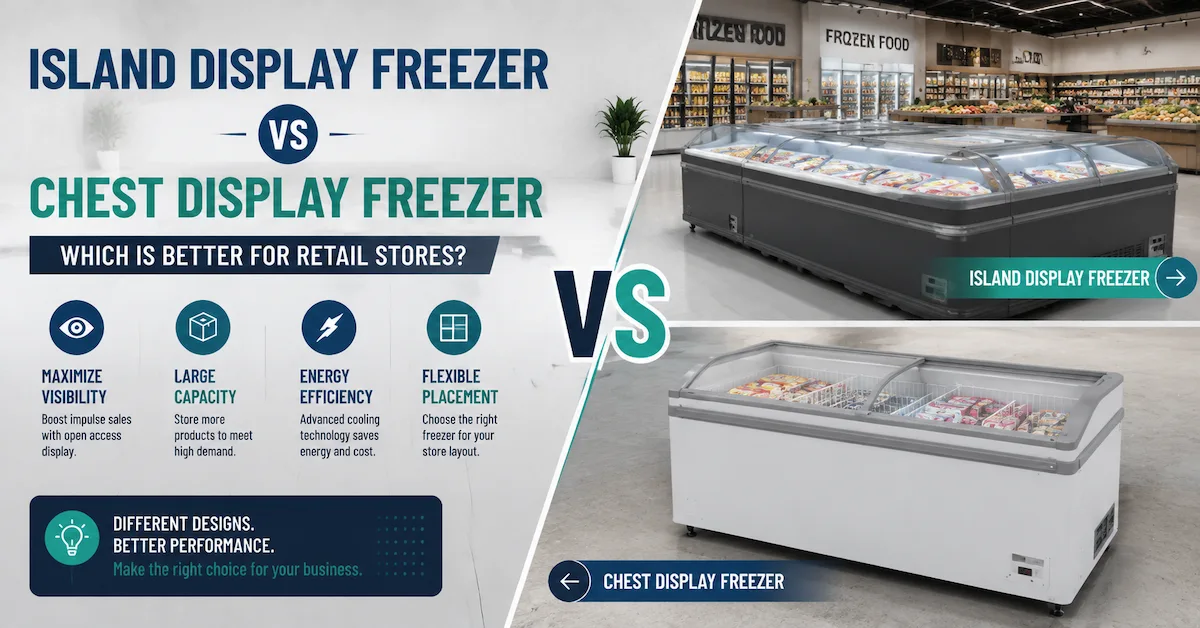
Island Freezer Cabinets
Suitable for:
- Large supermarkets
- Frozen food areas
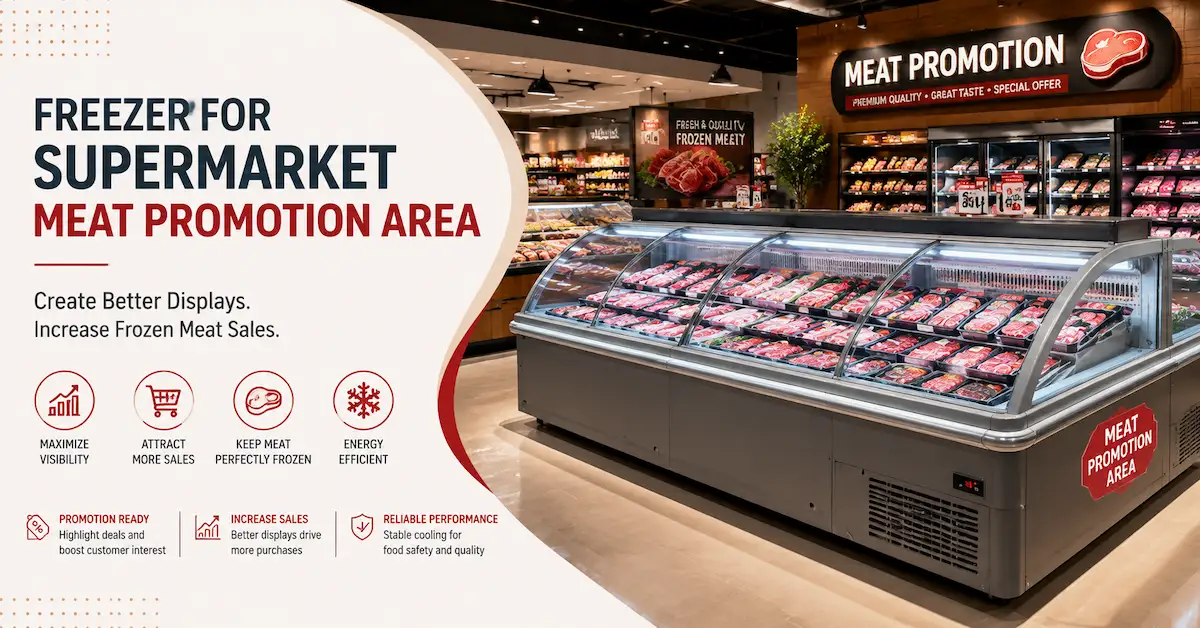
- Promotional displays
Advantages:
- Large capacity
- Open customer access
- Strong retail presentation
Counter Refrigeration Cabinets
Suitable for:
- Small retailers
- Cafés
- Specialty stores
Advantages:
- Compact design
- Convenient service access
- Flexible installation
Step 3: Consider Product Display Performance
Retail refrigeration cabinets are also sales tools.
Good cabinet design should provide:
- Clear visibility
- LED lighting
- Organized shelves
- Attractive product presentation
- Easy customer access
A well-designed refrigeration cabinet can help retailers:
- Increase product exposure
- Improve customer experience
- Promote new products
- Support impulse purchases
For retail brands, equipment appearance should match the overall store image.
Step 4: Evaluate Cooling Performance and Reliability
Stable cooling performance is essential for retail operations.
Buyers should evaluate:
- Temperature stability
- Compressor quality
- Cooling speed
- Insulation performance
- Door sealing
- Controller accuracy
- Defrost system
Unstable refrigeration may lead to:
- Product quality problems
- Food waste
- Customer complaints
- Increased operating costs
A reliable supplier should provide cabinets designed for continuous commercial operation.
Step 5: Plan Energy Efficiency for Long-Term Cost Control
Retail refrigeration equipment operates for many hours every day.
Energy efficiency should be evaluated through:
- Compressor performance
- Cabinet insulation
- Glass door quality
- LED lighting
- Cooling system design
- Temperature management
For retail chains with multiple locations, energy savings can significantly affect total operating costs.
A lower purchase price does not always mean lower total ownership cost.
Retail buyers should compare:
| Cost Factor | Consideration |
|---|---|
| Purchase cost | Initial investment |
| Energy consumption | Long-term operation |
| Maintenance | Service requirements |
| Replacement parts | Future support |
| Equipment lifespan | Return on investment |
Step 6: Evaluate OEM and Customization Capability
Many retail businesses require customized refrigeration equipment.
Customization options may include:
- Brand logo
- Cabinet color
- Store-specific design
- Side graphics
- Shelf configuration
- Product labels
- Packaging
- Voltage requirements
- Plug specifications
OEM solutions help retailers:
- Build consistent store identity
- Support private-label products
- Create customized retail environments
Snowsea supports customized refrigeration projects through OEM/ODM solutions:
https://www.snowseax.com/oem-odm
Step 7: Check Supplier Manufacturing Capability
Retail projects often require multiple units and repeat orders.
A reliable supplier should have:
- Factory production capability
- Engineering support
- Quality management systems
- Stable component supply
- Delivery planning ability
Important evaluation points include:
- Production capacity
- Manufacturing experience
- Testing procedures
- Export experience
- Customer support
Strong manufacturing capability reduces project risks.
Step 8: Plan Bulk Purchasing and Store Rollouts
Retail chains often need refrigeration equipment for:
- New store openings
- Store upgrades
- Regional expansion
- Equipment replacement
A sourcing plan should include:
- Cabinet quantity
- Store locations
- Delivery schedule
- Installation requirements
- Future replacement needs
Proper planning helps avoid:
- Project delays
- Equipment shortages
- Emergency purchasing
Step 9: Review Quality Control Before Delivery
Before shipment, refrigeration cabinets should be inspected.
Quality checks should include:
- Cabinet appearance
- Cooling performance
- Electrical safety
- Door operation
- Glass quality
- Lighting function
- Controller settings
- Accessories
- Packaging
For international projects, inspection helps reduce installation problems after arrival.
Step 10: Consider Export Packaging and Logistics
International retail projects require professional transportation planning.
Suppliers should support:
- Export documentation
- Packaging design
- Container loading
- Shipping coordination
- Delivery planning
Packaging should protect:
- Glass doors
- Cabinet surfaces
- Electronic components
- Accessories
Reliable logistics support helps retailers complete projects on schedule.
Refrigeration Cabinet Sourcing Checklist for Retail Buyers
Before selecting a supplier, buyers should prepare:
| Information | Purpose |
|---|---|
| Store type | Defines cabinet requirements |
| Product categories | Determines equipment type |
| Display needs | Improves product presentation |
| Storage capacity | Matches sales volume |
| Store dimensions | Ensures proper installation |
| Custom requirements | Supports branding |
| Quantity | Plans production |
| Delivery schedule | Supports project timing |
| Quality standards | Ensures reliability |
Common Mistakes Retail Buyers Should Avoid
Choosing Only Based on Price
Low-cost cabinets may create higher energy and maintenance costs.
Ignoring Store Layout
The right cabinet must match customer flow and available space.
Selecting One Cabinet Type for Every Product
Different products require different refrigeration solutions.
Delaying Customization Decisions
Branding and technical requirements should be confirmed early.
Choosing Suppliers Without Production Capability
Retail projects require stable manufacturing support.
Why Snowsea Supports Retail Refrigeration Projects
Snowsea provides commercial refrigeration solutions for supermarkets, grocery stores, convenience stores, food retailers, distributors, and international buyers.
For retail refrigeration projects, Snowsea supports:
- Refrigeration cabinet sourcing
- Display freezer solutions
- Upright freezer supply
- Island freezer projects
- OEM/ODM customization
- Private label development
- Quality inspection
- Export packaging
- Bulk production
- Long-term supply cooperation
Snowsea product solutions include:
- Refrigeration cabinets
- Display refrigerators
- Commercial freezer cabinets
- Glass-door freezers
- Island freezers
- Beverage coolers
Learn more about Snowsea:
https://www.snowseax.com/about-us
FAQ
1. What should retailers consider during refrigeration cabinet sourcing?
Retailers should evaluate cabinet type, product requirements, store layout, energy efficiency, customization, supplier capability, and delivery support.
2. Which refrigeration cabinets are commonly used in retail stores?
Common solutions include glass-door cabinets, upright freezers, island freezers, display refrigerators, and beverage coolers.
3. Can refrigeration cabinets be customized for retail brands?
Yes. Suppliers can customize logos, colors, shelves, packaging, labels, and technical specifications.
4. How can retail chains reduce refrigeration operating costs?
Retailers can improve efficiency by selecting energy-saving cabinets, maintaining proper temperatures, and choosing reliable equipment.
5. Why work with a professional refrigeration supplier?
Professional suppliers provide better product consistency, customization support, quality control, and long-term project assistance.
Conclusion
Effective refrigeration cabinet sourcing for retail helps supermarkets, grocery stores, and retail chains create efficient, attractive, and reliable refrigeration systems.
The right supplier should provide suitable cabinet solutions, stable cooling performance, customization options, quality control, export support, and long-term cooperation.
Snowsea provides refrigeration cabinets, display freezers, upright freezers, island freezers, and customized retail refrigeration solutions for global buyers.
Explore Snowsea refrigeration solutions:
https://www.snowseax.com/products
For customized projects: