When businesses evaluate refrigeration equipment, cooling performance is often the primary focus. However, cabinet design plays an equally important role in determining how efficiently a refrigeration system operates.
A poorly designed cabinet can lead to uneven cooling, excessive energy consumption, reduced storage efficiency, and higher maintenance costs. In contrast, a well-engineered commercial refrigeration cabinet design helps improve temperature retention, airflow distribution, and overall refrigeration reliability.
For supermarkets, restaurants, convenience stores, hotels, and cold storage facilities, cabinet design directly impacts operational performance and product preservation.
Common Challenges Caused by Poor Cabinet Design
Many refrigeration problems originate from cabinet construction rather than refrigeration components.
Common issues include:
- Uneven temperature distribution
- Poor airflow circulation
- Limited storage efficiency
- Excessive energy consumption
- Door seal leakage
- Difficult maintenance access
These problems can increase operating costs while reducing refrigeration performance.
A modern commercial refrigeration cabinet design helps address these challenges through advanced engineering and optimized cabinet structures.
Key Components of Effective Refrigeration Cabinet Design
Manufacturers use several design strategies to improve refrigeration efficiency.
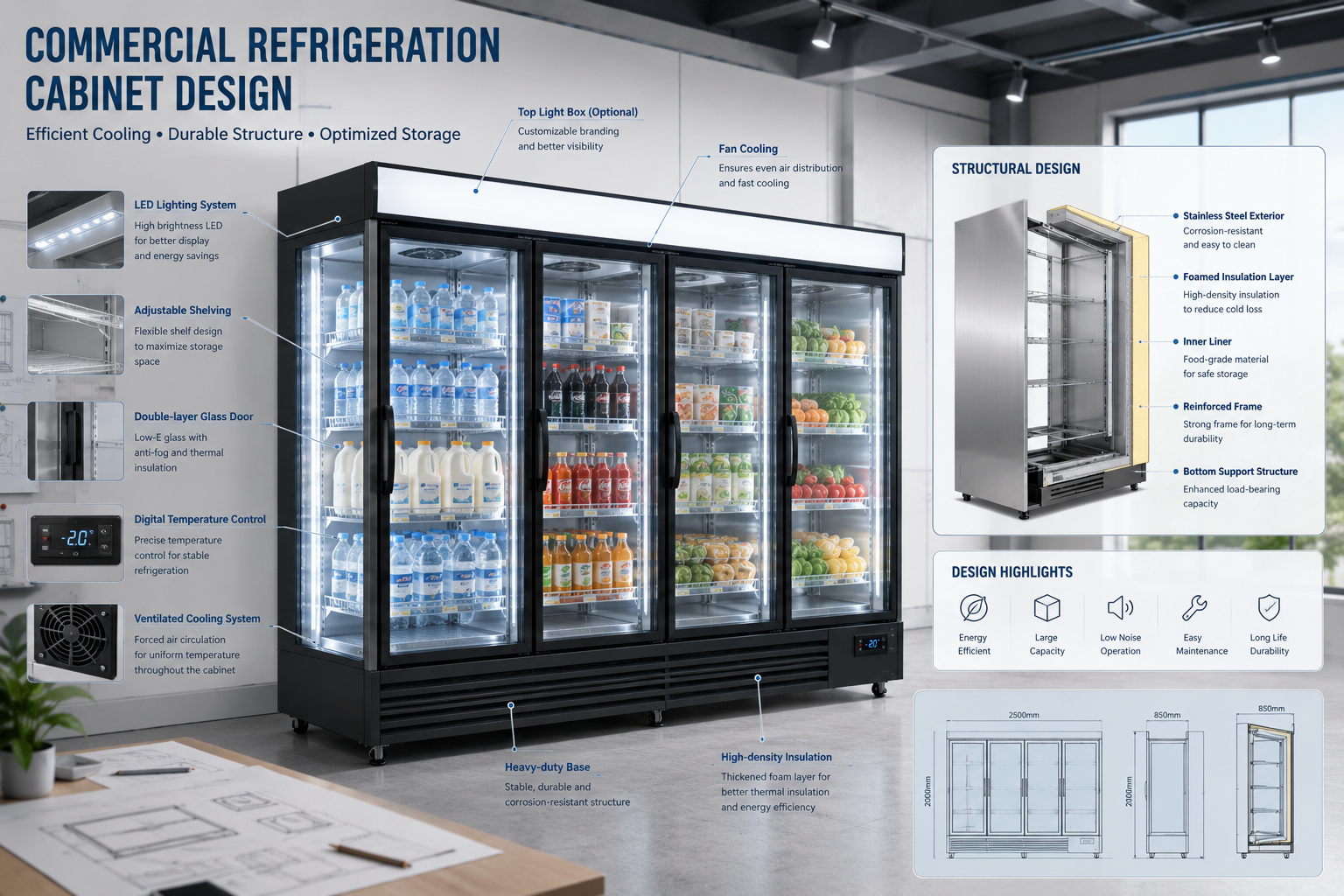
Optimized Internal Airflow
Proper airflow channels help distribute cold air evenly throughout the cabinet.
High-Density Insulation
Advanced insulation minimizes thermal transfer and improves energy efficiency.
Reinforced Structural Framework
Strong cabinet construction supports long-term durability and reliability.
Ergonomic Storage Layout
Efficient shelf configurations maximize product capacity and accessibility.
Because of these features, a well-executed commercial refrigeration cabinet design contributes significantly to refrigeration performance.
Standard Cabinet vs Optimized Refrigeration Cabinet Design
| Feature | Standard Cabinet | Commercial Refrigeration Cabinet Design |
|---|---|---|
| Airflow Distribution | Average | Optimized |
| Storage Efficiency | Standard | Improved |
| Energy Efficiency | Moderate | Higher |
| Temperature Stability | Average | Better |
| Maintenance Accessibility | Limited | Enhanced |
| Long-Term Reliability | Standard | Improved |
The benefits become increasingly important in high-demand commercial environments.
Solving Real Refrigeration Challenges
Temperature Variations
Improper airflow can create warm and cold zones within the cabinet.
Limited Product Capacity
Poor shelf design reduces storage efficiency.
Rising Energy Costs
Inefficient insulation increases refrigeration workload.
Equipment Maintenance Difficulties
Poor accessibility can increase service time and maintenance costs.
A properly engineered commercial refrigeration cabinet design helps solve these challenges while supporting reliable cooling performance.
Advantages of Modern Refrigeration Cabinet Design
Better Temperature Consistency
Optimized airflow helps maintain stable storage conditions.
Improved Energy Efficiency
Enhanced insulation reduces heat transfer and refrigeration demand.
Greater Storage Capacity
Efficient cabinet layouts maximize usable space.
Easier Maintenance
Accessible components simplify servicing and repairs.
Longer Equipment Lifespan
Reduced operational stress improves long-term reliability.
For many businesses, a high-quality commercial refrigeration cabinet design delivers both operational and financial benefits.
Common Applications
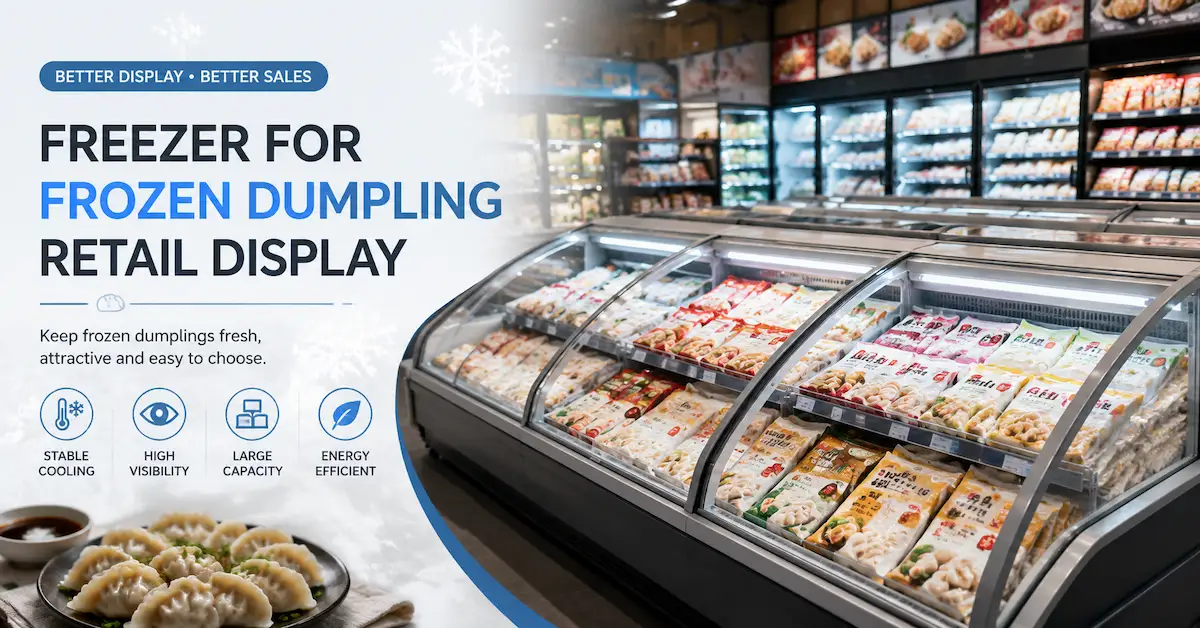
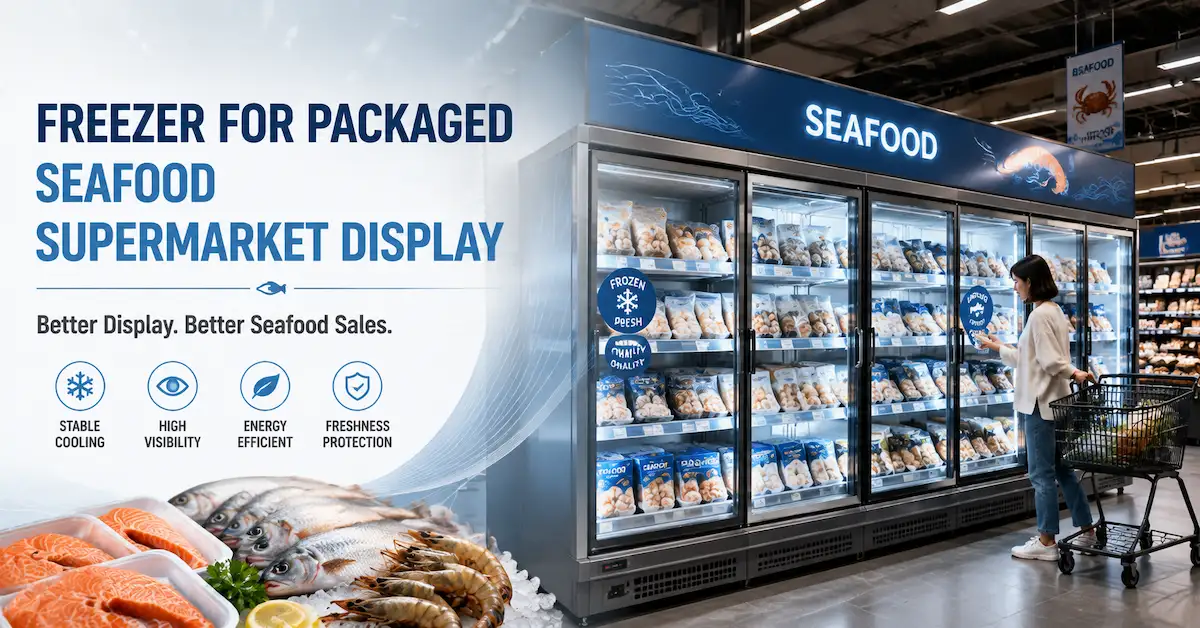
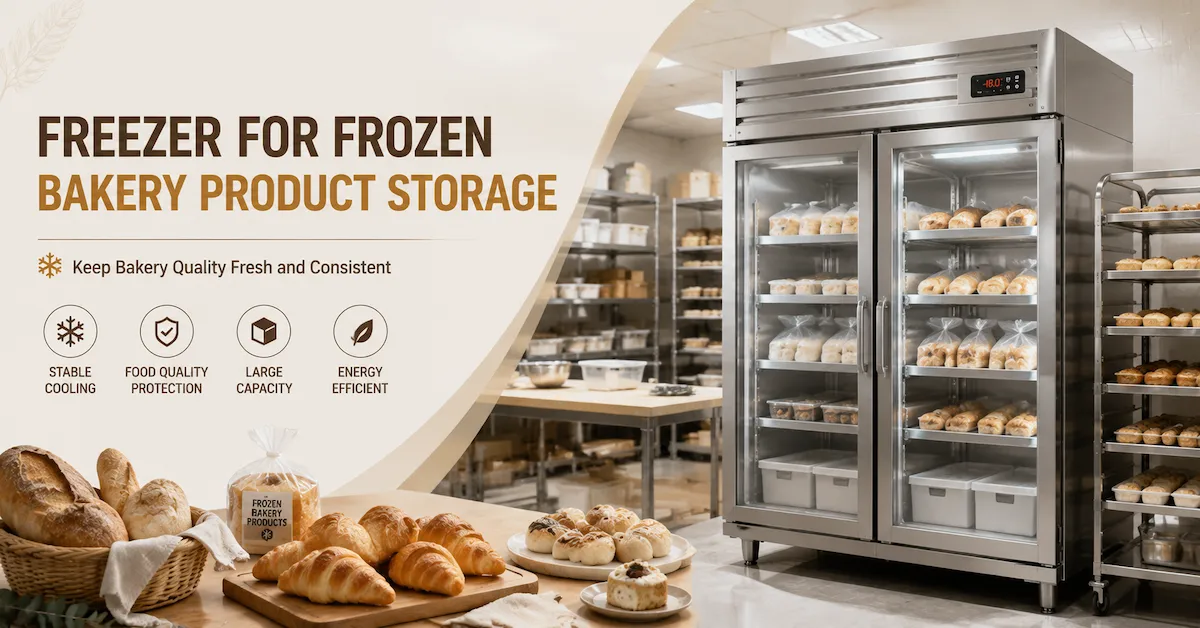
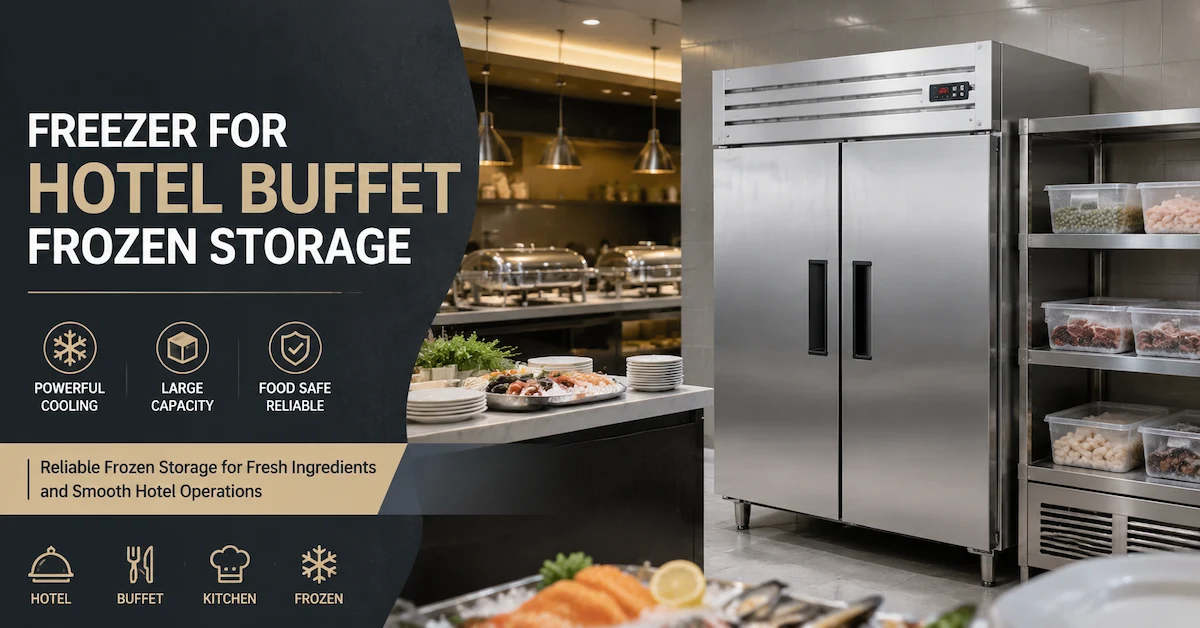
Modern refrigeration cabinets are widely used in:
- Supermarkets
- Convenience stores
- Restaurants
- Hotels
- Bakeries
- Food processing facilities
- Cold storage warehouses
Businesses evaluating refrigeration suppliers should also consider engineering capabilities and manufacturing experience. Learn more about our refrigeration expertise:
https://www.snowseax.com/about-us
How to Choose the Right Refrigeration Cabinet
Evaluate Storage Requirements
Select cabinet sizes that match operational needs.
Review Airflow Design
Uniform cooling improves product preservation.
Assess Insulation Quality
Better insulation reduces energy consumption.
Consider Maintenance Accessibility
Easy service access reduces downtime.
Match the Cabinet to the Application
Different industries require different refrigeration solutions.
Our commercial refrigeration product range includes solutions designed for retail, food service, and cold storage applications:
Choosing the right commercial refrigeration cabinet design helps maximize refrigeration efficiency while improving long-term operational performance.
FAQ
Many businesses researching refrigeration equipment have questions about cabinet construction, airflow, and efficiency. Additional technical information can be found in our FAQ center:
Q1: Why is cabinet design important in commercial refrigeration?
Cabinet design affects airflow, insulation performance, storage efficiency, and temperature stability.
Q2: Does cabinet design impact energy efficiency?
Yes. Better insulation and airflow management can significantly reduce refrigeration workload.
Q3: How does airflow affect refrigeration performance?
Uniform airflow helps maintain consistent temperatures throughout the cabinet.
Q4: Which industries benefit most from optimized cabinet design?
Supermarkets, restaurants, hotels, bakeries, and cold storage facilities all benefit from efficient refrigeration cabinet engineering.
Building More Efficient Refrigeration Systems
A modern commercial refrigeration cabinet design combines efficient airflow, strong insulation, durable construction, and optimized storage layouts. By investing in well-engineered refrigeration cabinets, businesses can improve cooling performance, reduce operating costs, and enhance product preservation.
If you are planning a supermarket, restaurant, hotel, convenience store, or cold storage project, our refrigeration specialists can help identify the most suitable solution for your application: