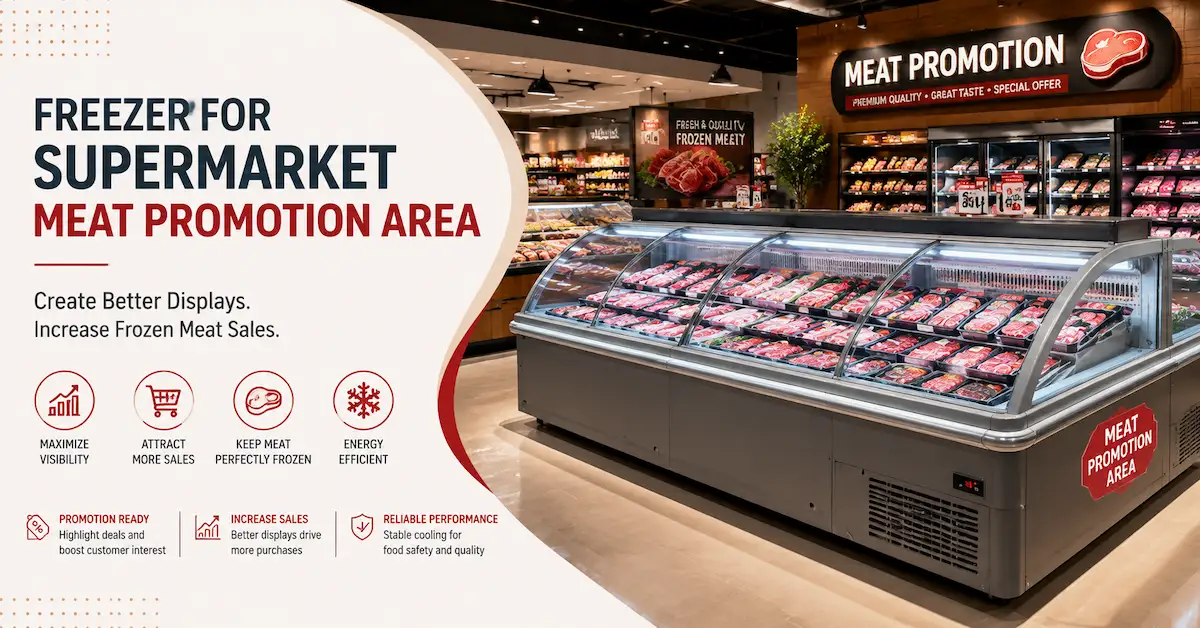
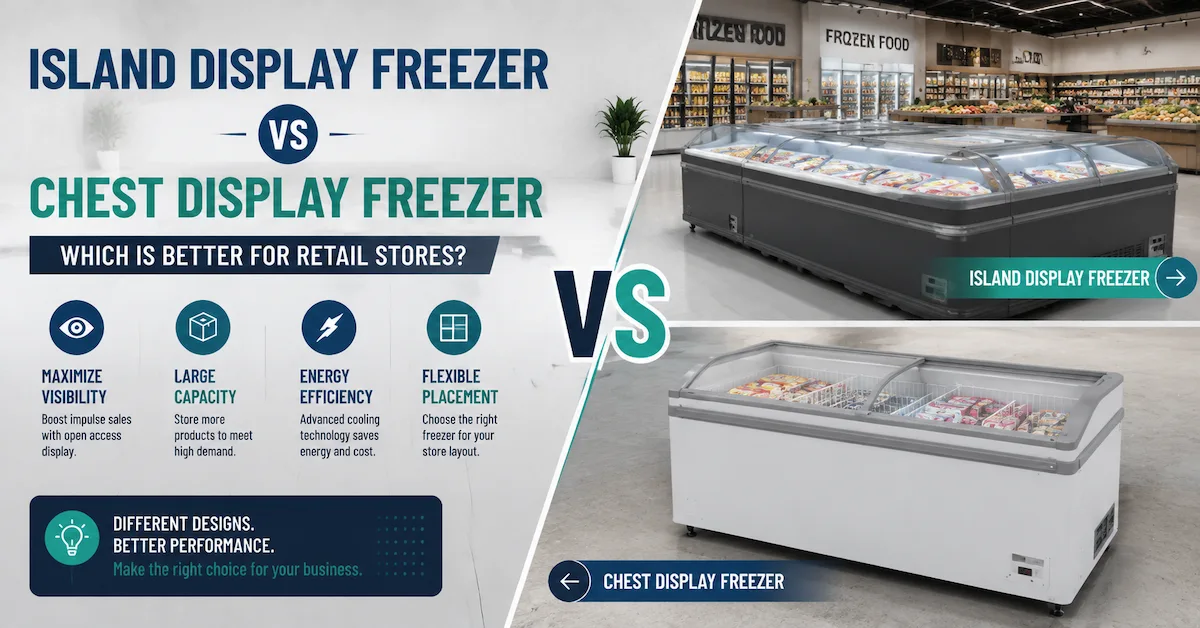
For importers, refrigeration distributors, supermarket suppliers, frozen food wholesalers, restaurant equipment distributors, and private label buyers, the question what should distributors check before buying freezers is more important than simply asking for the lowest price.
Freezers are long-term commercial equipment. They are used in supermarkets, convenience stores, frozen food shops, seafood stores, ice cream shops, restaurants, hotels, warehouses, and distribution channels. If a distributor chooses the wrong freezer model or an unreliable supplier, the result may include unstable freezing, shipping damage, customer complaints, high after-sales cost, and weak repeat orders.
A practical distributor freezer buying checklist should help buyers evaluate product type, freezing performance, cabinet structure, OEM/ODM options, export packaging, quality control, spare parts support, shipping efficiency, and long-term supplier reliability.
Snowsea provides commercial refrigeration products including chest freezers, display freezers, upright freezers, island freezers, sliding glass freezers, ice cream freezers, refrigerators, beverage coolers, and showcase cabinets. For distributors buying freezers in bulk, Snowsea supports OEM/ODM customization, private label branding, quality inspection, export packaging, and long-term supply support.
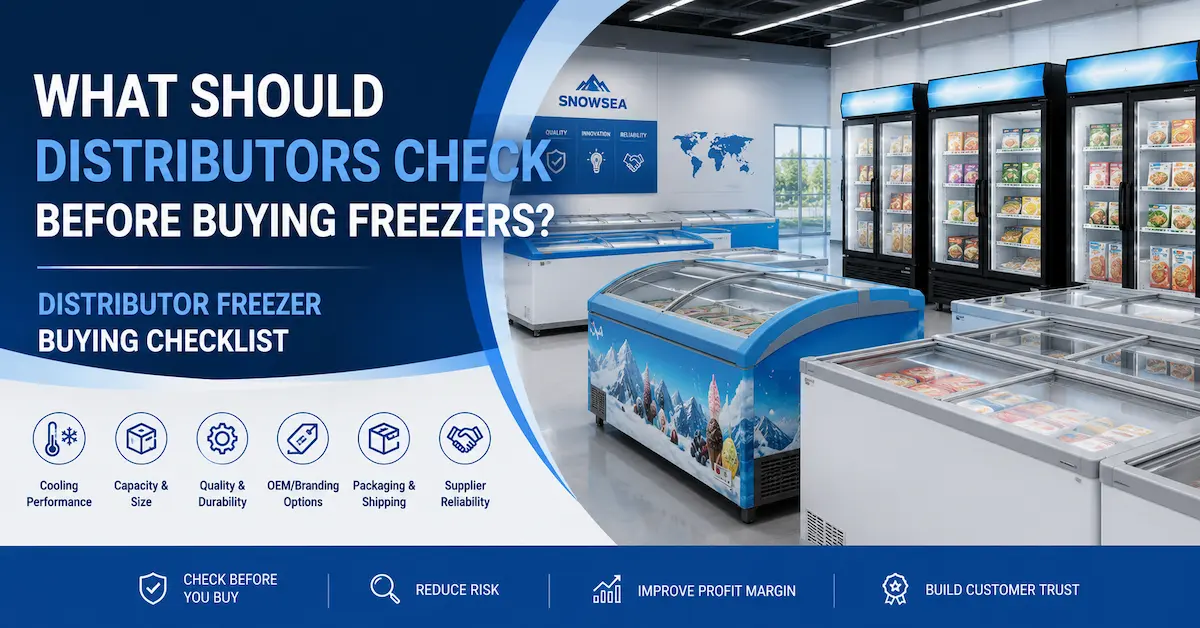
Why Distributors Need a Freezer Buying Checklist
Distributors do not buy freezers only for one end user. They often serve multiple customer groups, including supermarkets, frozen food brands, seafood shops, restaurants, convenience stores, hotels, and local resellers.
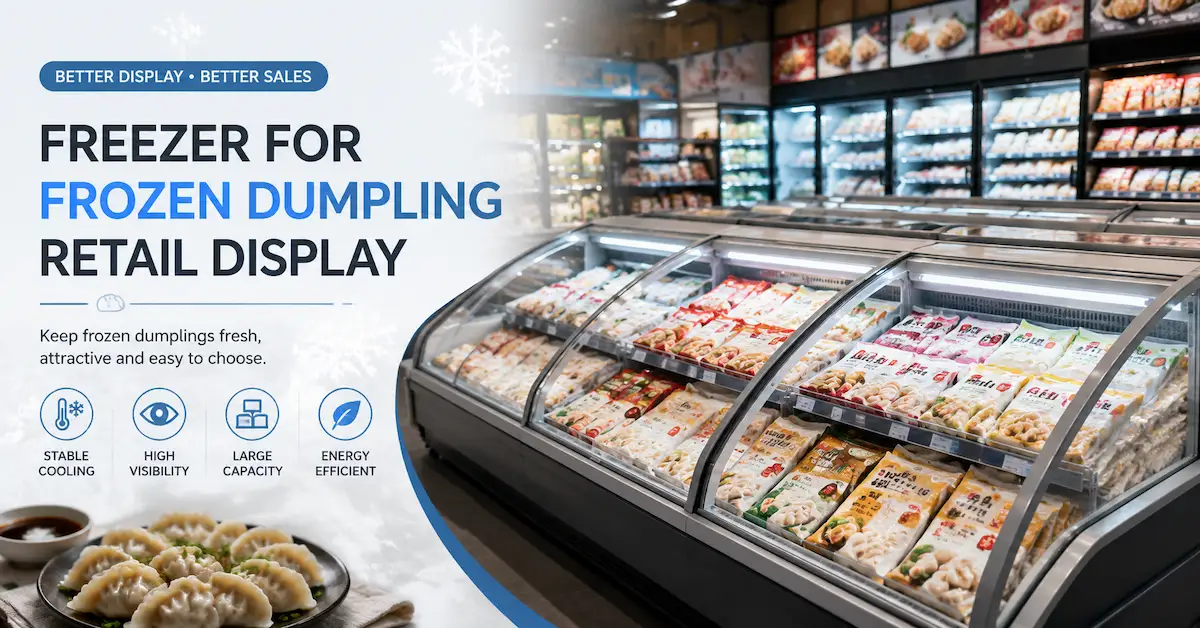
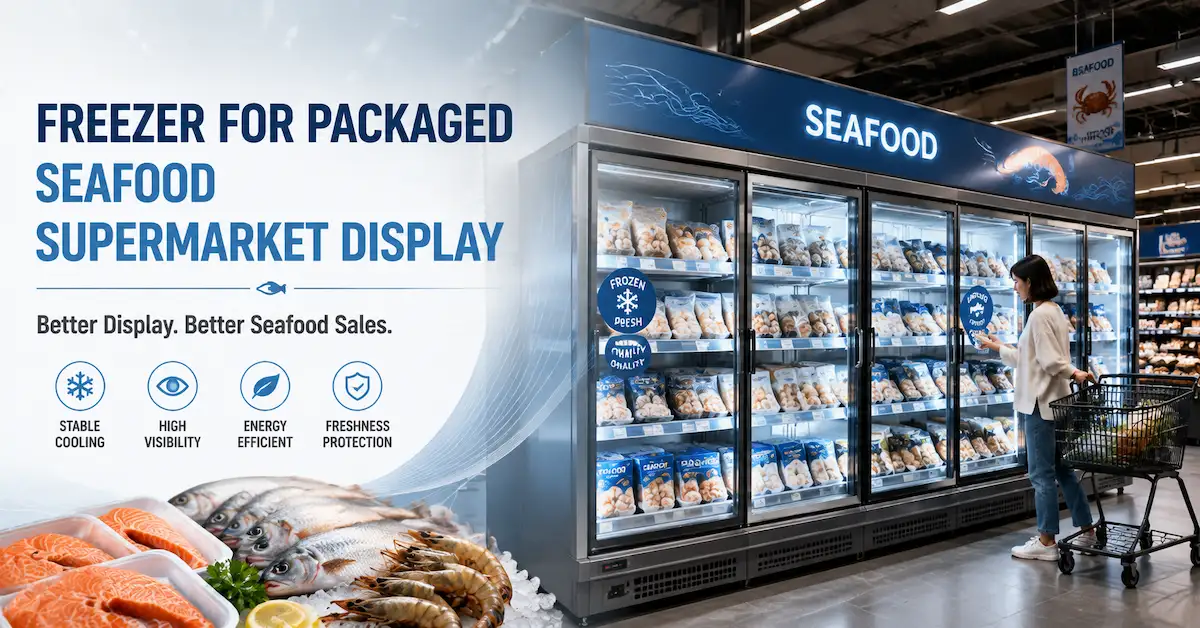
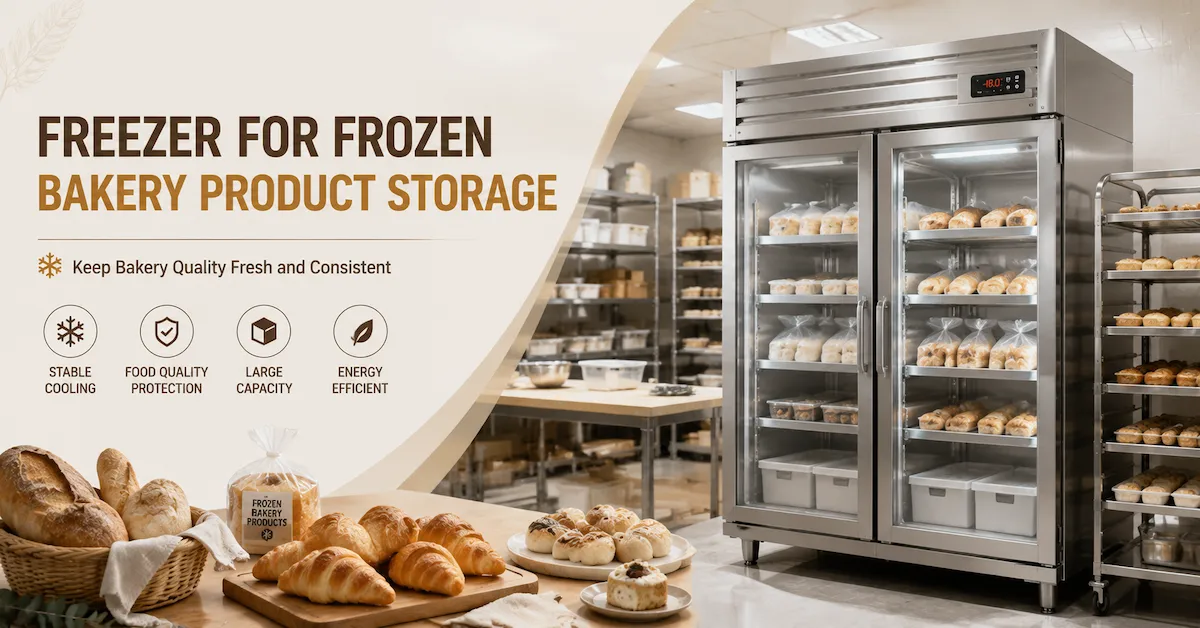
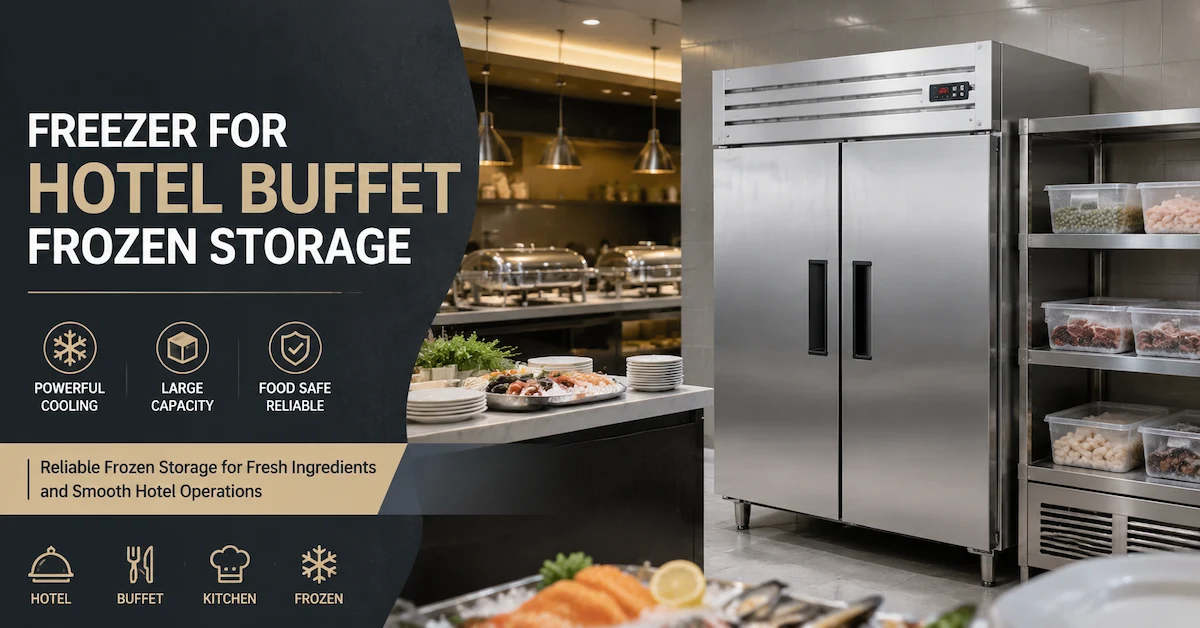
Different customers need different freezer solutions. A supermarket may need upright glass door freezers or island freezers. A seafood store may need chest freezers or display freezers with strong freezing stability. A restaurant may prefer upright solid door freezers or chest freezers for backroom storage. An ice cream distributor may need sliding glass freezers or ice cream display cabinets.
A clear checklist helps distributors avoid common sourcing mistakes and build a more reliable product line.
A strong buying checklist helps distributors:
- Select suitable freezer models for different channels
- Compare suppliers beyond unit price
- Confirm freezing stability before bulk ordering
- Reduce shipping damage risk
- Improve private label branding consistency
- Control after-sales pressure
- Build repeatable product supply
- Improve customer trust in the local market
1. Check the Target Customer and Application
Before choosing freezer models, distributors should first define who will buy and use the freezers.
Common customer groups include:
| Customer Type | Recommended Freezer Focus |
|---|---|
| Supermarkets | Island freezers, display freezers, upright glass door freezers |
| Convenience stores | Compact upright freezers, display freezers, sliding glass freezers |
| Frozen food shops | Chest freezers, upright freezers, display freezers |
| Seafood retailers | Chest freezers, island freezers, display freezers |
| Restaurants and hotels | Chest freezers, upright solid door freezers |
| Ice cream distributors | Ice cream freezers, sliding glass freezers, curved glass cabinets |
| Local resellers | Mixed freezer models for different sales channels |
Distributors should avoid buying one freezer type for every customer. A good product mix helps cover more market demand and reduces inventory risk.
Buyers can review Snowsea product categories here:
https://www.snowseax.com/products
2. Check Freezer Type and Product Mix
A distributor freezer buying checklist should always include freezer type selection. Different freezer types have different advantages.
| Freezer Type | Best Application | What to Check |
| Chest Freezer | Bulk frozen food, seafood, meat, storage | Capacity, insulation, basket layout |
| Upright Freezer | Organized storage, retail display, restaurants | Shelf layout, door sealing, space efficiency |
| Display Freezer | Supermarket and frozen food retail | Visibility, lighting, freezing stability |
| Island Freezer | Large frozen food zones | Capacity, customer access, store layout |
| Sliding Glass Freezer | Self-service frozen food and ice cream | Glass quality, smooth sliding, access design |
| Ice Cream Freezer | Ice cream and frozen desserts | Temperature stability, basket layout, glass display |
For distributors, the best strategy is usually to build a balanced product line. Standard chest freezers may serve price-sensitive customers, while display freezers and ice cream freezers can support higher-value retail projects.
3. Check Freezing Performance
Freezing performance is the most important technical factor. A freezer may look attractive in photos, but if it cannot maintain stable low temperature, it can cause product loss and complaints.
Distributors should check:
- Temperature range
- Compressor configuration
- Cooling recovery speed
- Cabinet insulation
- Door or lid sealing
- Glass insulation if applicable
- Defrost method
- Digital temperature controller
- Ambient temperature adaptability
- Energy efficiency
For frozen seafood, meat, ice cream, frozen meals, and frozen desserts, stable freezing performance protects the end user’s product value. A low-price freezer with unstable temperature may create higher long-term cost than the initial savings.
4. Check Cabinet Size, Capacity, and Layout
Distributors should confirm whether the freezer capacity matches customer needs. Oversized freezers increase cost and occupy too much space. Undersized freezers limit product display or storage volume.
Important details include:
- Internal capacity
- External dimensions
- Product loading method
- Basket quantity
- Shelf spacing
- Divider layout
- Door opening direction
- Customer access angle
- Restocking convenience
- Cleaning convenience
For retail display, product visibility and shelf organization are important. For storage use, capacity and durability matter more.
5. Check Door Type and Access Design
Door type affects product access, energy use, display performance, and store layout.
Common door options include:
| Door Type | Best Use |
| Glass Door | Retail display and customer-facing use |
| Solid Door | Backroom storage, restaurants, warehouses |
| Sliding Glass Door | Self-service retail and space-saving areas |
| Glass Lid | Chest display freezers and ice cream freezers |
| Curved Glass | Premium ice cream and frozen dessert display |
Distributors should choose door type based on real customer use. A glass door freezer is good for display, while a solid door freezer is better for storage-focused applications.
6. Check OEM and Private Label Options
Many distributors want to build their own refrigeration product line. OEM customization helps distributors avoid price-only competition and create stronger local market identity.
Snowsea can support OEM/ODM options such as:
- Logo customization
- Cabinet color
- Top lightbox branding
- Side panel graphics
- Product labels
- User manuals
- Carton design
- Shelf or basket layout
- Model number system
- Voltage and plug adaptation
- Export packaging design
For private label buyers, OEM customization should be confirmed before production. Logo position, label content, manual language, carton design, and model number rules should all be reviewed early.
For Snowsea OEM/ODM freezer projects, visit:
https://www.snowseax.com/oem-odm
7. Check Voltage, Plug, and Market Requirements
Distributors often import freezers for different countries or regions. Electrical requirements must match the target market.
Buyers should confirm:
- Voltage
- Frequency
- Plug type
- Power cord requirements
- Product label language
- User manual language
- Local market requirements
- Packaging marks
- Safety information
Wrong voltage or plug configuration can cause serious problems after shipment. This should be checked before production, not after the goods arrive.
8. Check Export Packaging
Export packaging is critical for freezer distributors. Commercial freezers are large products and may include glass doors, compressors, wheels, baskets, shelves, controllers, lighting systems, and painted surfaces.
Good export packaging should protect:
- Cabinet corners
- Glass doors or lids
- Compressor area
- Control panel
- Wheels and feet
- Surface coating
- Accessories
- Product labels
Export packaging may include reinforced cartons, foam protection, corner protection, wooden frame support, pallet loading, clear shipping marks, and container loading planning.
Weak packaging can turn a low-price order into an expensive after-sales problem. For importers and distributors, packaging quality directly affects profit margin and local customer satisfaction.
9. Check Quality Control Before Shipment
A reliable supplier should inspect both appearance and performance before shipment. Distributors should not rely only on product photos or catalog descriptions.
Pre-shipment inspection should include:
- Cabinet appearance
- Freezing performance
- Electrical safety
- Door or lid sealing
- Glass surface quality if applicable
- LED lighting function
- Controller accuracy
- Shelf or basket completeness
- OEM branding accuracy
- Packaging strength
- Shipping mark confirmation
For bulk orders, quality consistency is especially important. One repeated defect can affect many customers and damage the distributor’s local reputation.
10. Check Supplier Communication and Long-Term Support
A supplier’s communication quality is part of the buying decision. If communication is unclear before ordering, problems may become harder to solve after shipment.
Distributors should check whether the supplier can:
- Ask clear project questions
- Recommend suitable freezer models
- Confirm technical specifications
- Review OEM artwork
- Provide packing information
- Explain shipping and loading details
- Support repeat orders
- Provide after-sales communication
- Help identify spare parts when needed
A strong freezer supplier should support long-term cooperation, not only one-time transactions.
Distributor Freezer Buying Checklist
Before requesting a quotation, distributors should prepare:
| Information to Prepare | Why It Matters |
| Target market | Confirms voltage, plug, labels, and packaging |
| Customer type | Supermarket, seafood store, restaurant, distributor, or ice cream brand |
| Freezer type | Chest, upright, display, island, sliding glass, or ice cream freezer |
| Product category | Frozen meals, seafood, meat, ice cream, vegetables, desserts |
| Size or capacity | Helps match storage and display needs |
| Temperature range | Determines freezing configuration |
| Door type | Glass door, solid door, sliding glass, or glass lid |
| Branding needs | Logo, cabinet color, labels, manual, carton |
| Order quantity | Affects price and production planning |
| Export packaging | Reduces shipping damage risk |
This checklist helps Snowsea recommend suitable freezer models faster and prepare a more accurate quotation.
Common Mistakes Distributors Should Avoid
Mistake 1: Only Comparing Unit Price
A cheaper freezer may have weaker cooling performance, poor packaging, limited quality control, or higher after-sales risk.
Mistake 2: Buying the Same Freezer for Every Channel
Supermarkets, restaurants, seafood stores, frozen food shops, and ice cream distributors need different freezer structures.
Mistake 3: Ignoring Export Packaging
Shipping damage can reduce profit margin and create customer complaints. Packaging should be reviewed before bulk orders.
Mistake 4: Treating OEM as Only a Logo
OEM projects may include cabinet color, labels, manuals, cartons, model numbers, voltage, plug type, and packaging design.
Mistake 5: Skipping Pre-Shipment Inspection
Quality inspection before shipment helps reduce defects, branding mistakes, packaging issues, and after-sales complaints.
Why Snowsea Can Support Freezer Distributors
Snowsea focuses on commercial refrigeration and freezing equipment for frozen food storage, supermarket refrigeration, convenience store cooling, seafood retail, ice cream display, beverage display, restaurant storage, and food service applications.
For distributor freezer buying projects, Snowsea can support:
- Chest freezer options
- Upright freezer options
- Display freezer customization
- Island freezer models
- Sliding glass freezer options
- Ice cream freezer solutions
- OEM/ODM customization
- Private label branding
- Product label and carton customization
- Export packaging support
- Container loading support
- Quality inspection before shipment
Buyers can learn more about Snowsea here:
https://www.snowseax.com/about-us
FAQ
1. What should distributors check before buying freezers?
Distributors should check freezer type, target customer, freezing performance, cabinet size, door type, OEM options, voltage, export packaging, quality control, and supplier reliability.
2. What is the best freezer type for distributors?
There is no single best type. Distributors often need a mix of chest freezers, upright freezers, display freezers, island freezers, sliding glass freezers, and ice cream freezers.
3. Should distributors choose OEM customization?
Yes. OEM customization helps distributors build brand identity through logo, cabinet color, labels, manuals, cartons, and packaging design.
4. Why is export packaging important?
Export packaging protects glass, compressors, cabinet corners, wheels, labels, and visible surfaces during sea freight and local delivery.
5. How can distributors get a faster quotation?
Prepare target market, customer type, freezer type, product category, size, quantity, temperature range, branding needs, voltage, plug type, packaging requirements, and delivery schedule.
Conclusion
A clear distributor freezer buying checklist helps importers, refrigeration distributors, supermarket suppliers, frozen food wholesalers, and private label buyers make safer purchasing decisions.
Distributors should not only ask “what is the price?” They should check freezer type, customer application, freezing performance, capacity, OEM branding, export packaging, quality control, and supplier support.
Snowsea provides commercial freezers, display freezers, island freezers, chest freezers, upright freezers, sliding glass freezers, ice cream freezers, refrigerators, beverage coolers, and showcase cabinets for different distributor channels.
To explore commercial freezer models, visit:
https://www.snowseax.com/products
For freezer OEM/ODM projects, visit:
https://www.snowseax.com/oem-odm